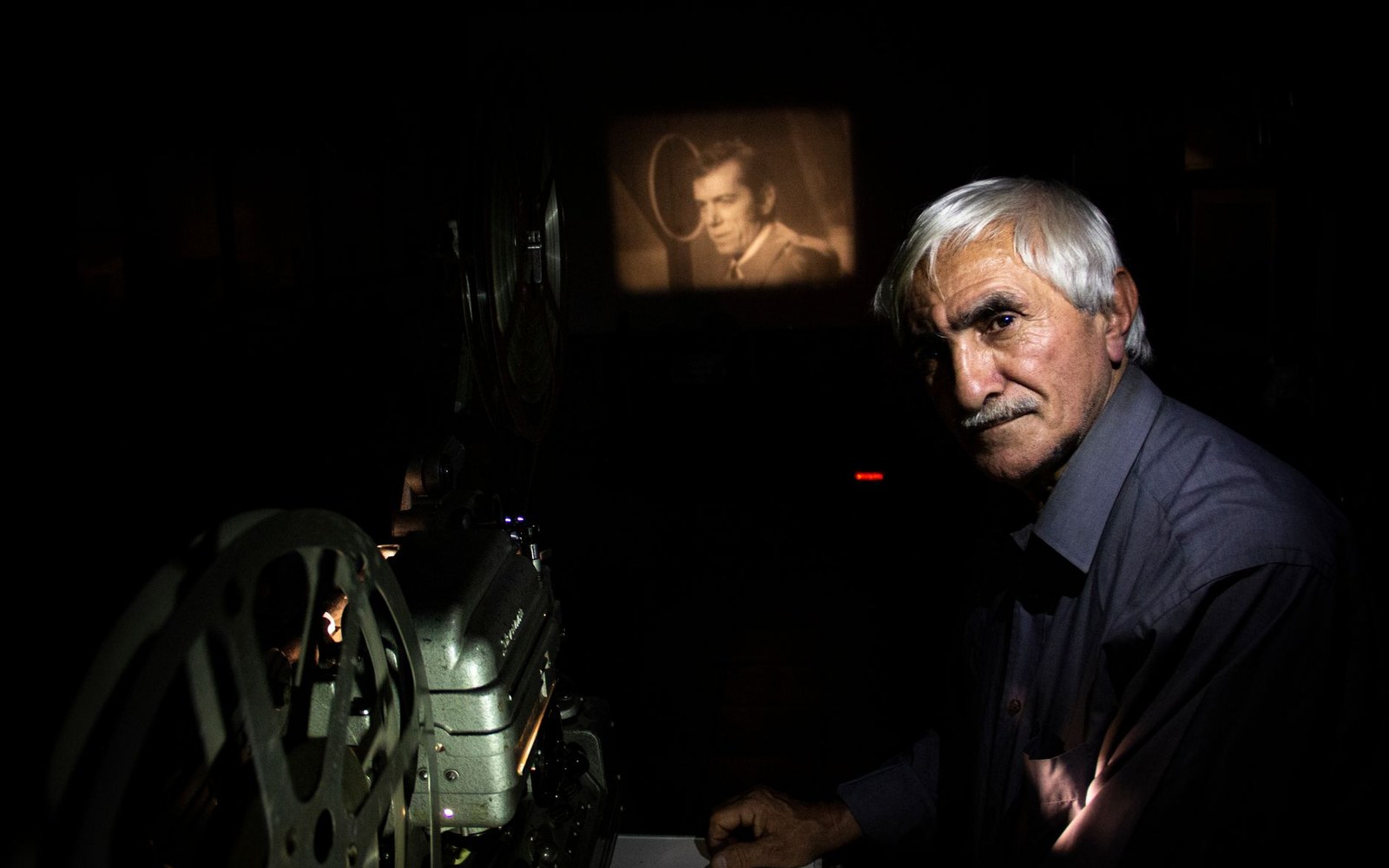
Surf film began as a hand-carried business. Bruce Brown rented halls and narrated The Endless Summer from the side of the screen in 1966; the prints travelled in cans. The festivals that now programme the genre — in San Diego, Byron Bay, New York, London, Anglet and Honolulu — inherited that arrangement rather than a studio one, and a single-screen cinema on Highway 101 in Encinitas that opened in 1928 is still one of the rooms it runs in.
The site is organised as four rooms. The Circuit covers the festivals, the venues they borrow and the distributors waiting at the other end of a programme. The Films takes the titles in the order they changed things, from 1966 to 2021. The Camera is the equipment and the people who carry it — water housings, the swim, the ski, the drone rule, the high-speed frame. The Scene is the San Diego coast the films keep returning to, with the shaping trade and the environmental fights around it.
How the pieces are grouped
| The Circuit | The festival circuit — San Diego, Byron Bay, New York, London, Hawaii, Anglet — and the La Paloma Theatre as the genre's most storied room. |
|---|---|
| The Films | From Bruce Brown's self-distributed print to streaming features — the titles that bent the genre and the conditions that made them possible. |
| The Camera | Water housings, high-speed rigs, drones and the physical demands of getting a camera into position — the equipment decisions that defined what surf cinema could show. |
| The Scene | Encinitas, Cardiff Reef, Swami's, Windansea and the San Diego shaping trade — the coastal geography the films keep returning to, and the environmental fights that shaped it. |
Festivals, films and film-makers are written about in the third person, as documented events and works. Titles, years and figures are attributed in the sentence — to a film's own credits, a published programme, a regulator's rule text or a dated trade report. Every piece is reachable without a dropdown from the rooms page.