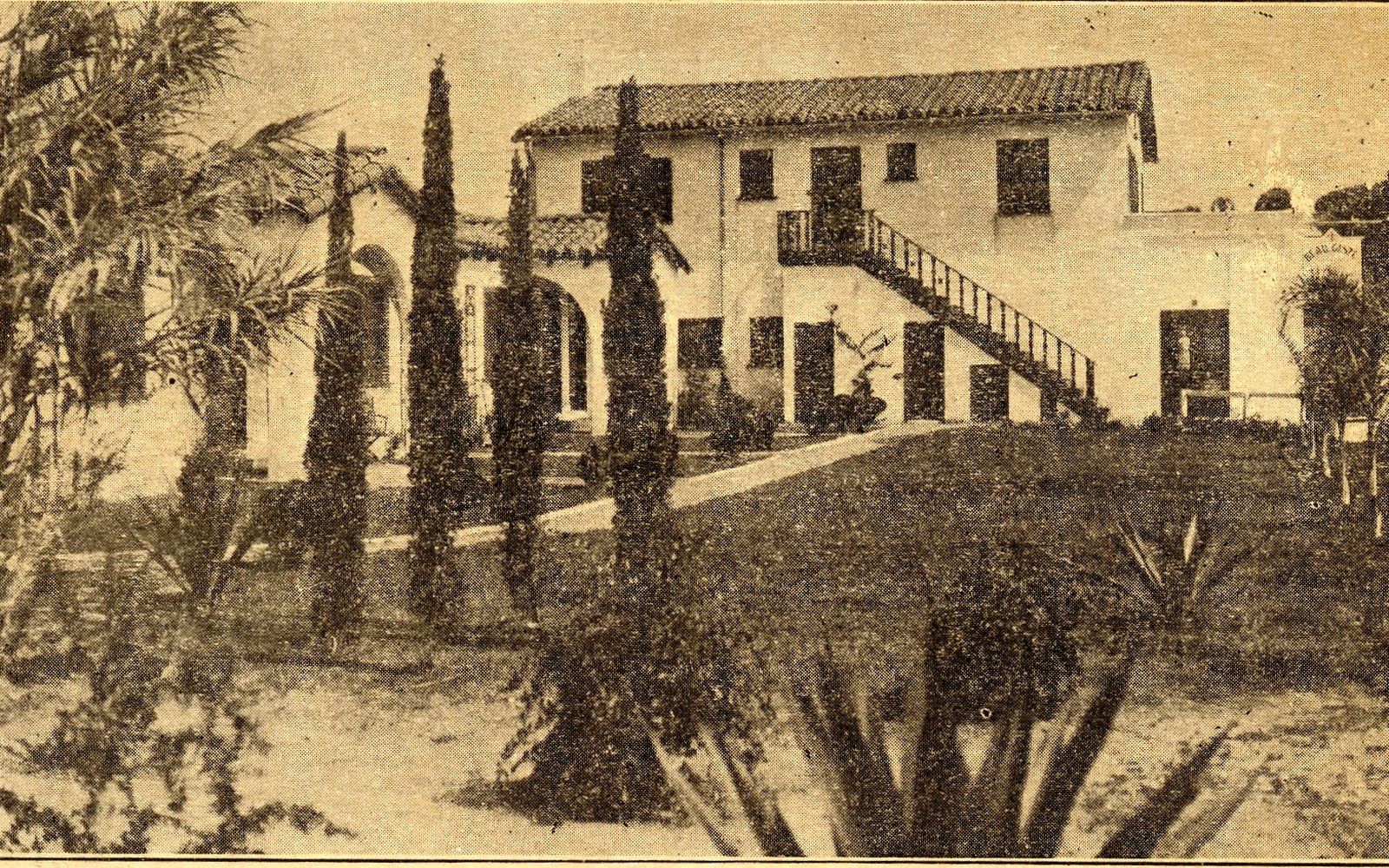
La Paloma, 1928: The Room Surf Cinema Came Home To
A single-screen theatre built in a coastal California town before the modern surfboard existed has spent decades as the preferred premiere room for the genre.
The Circuit
Bruce Brown four-walled The Endless Summer into rented halls in 1966 because no distributor would take it. The festivals that programme surf film now — San Diego, Byron Bay, New York, London, Anglet, Honolulu — are why a feature gets a projectionist, a room, and an audience that sat down on purpose.
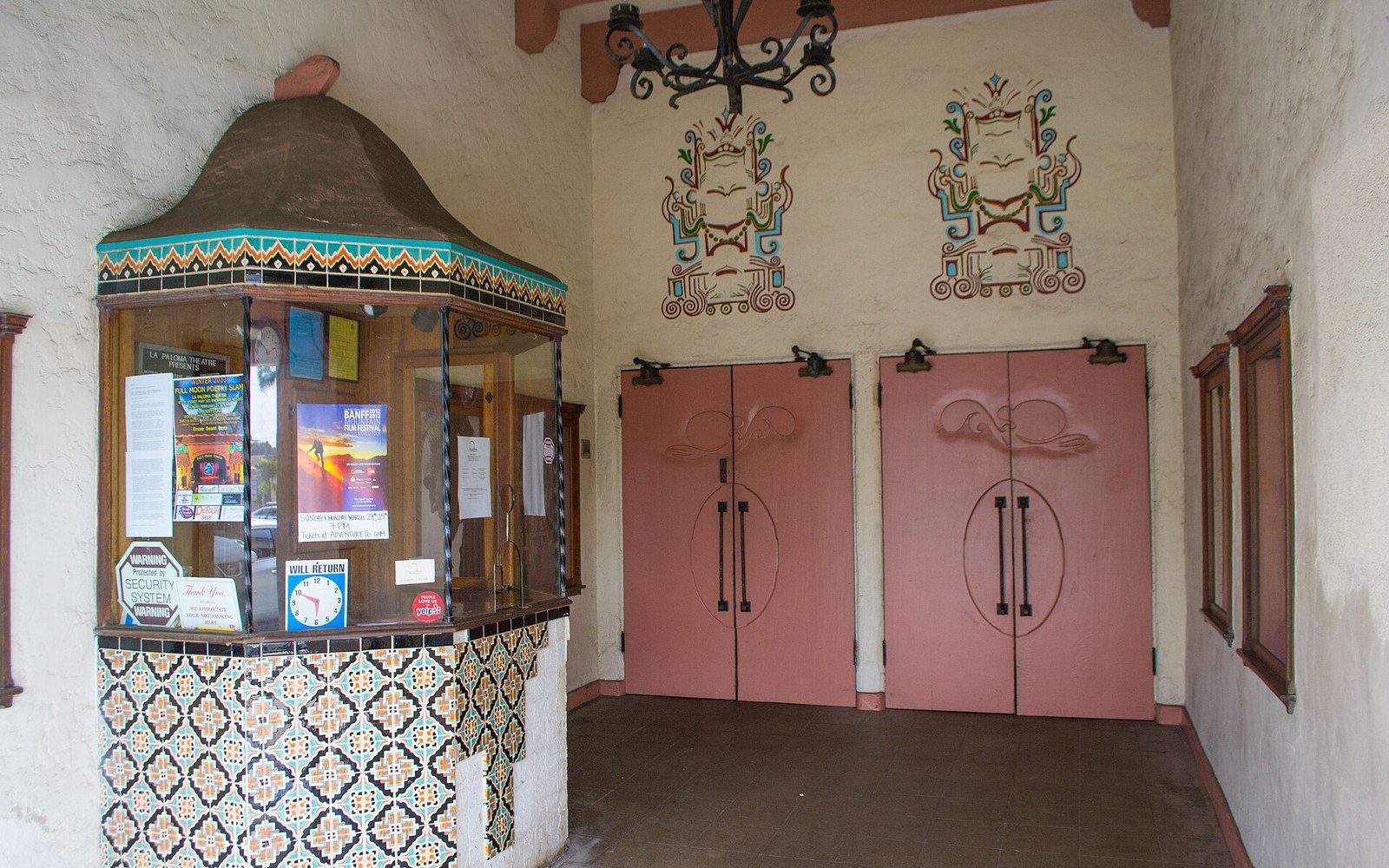
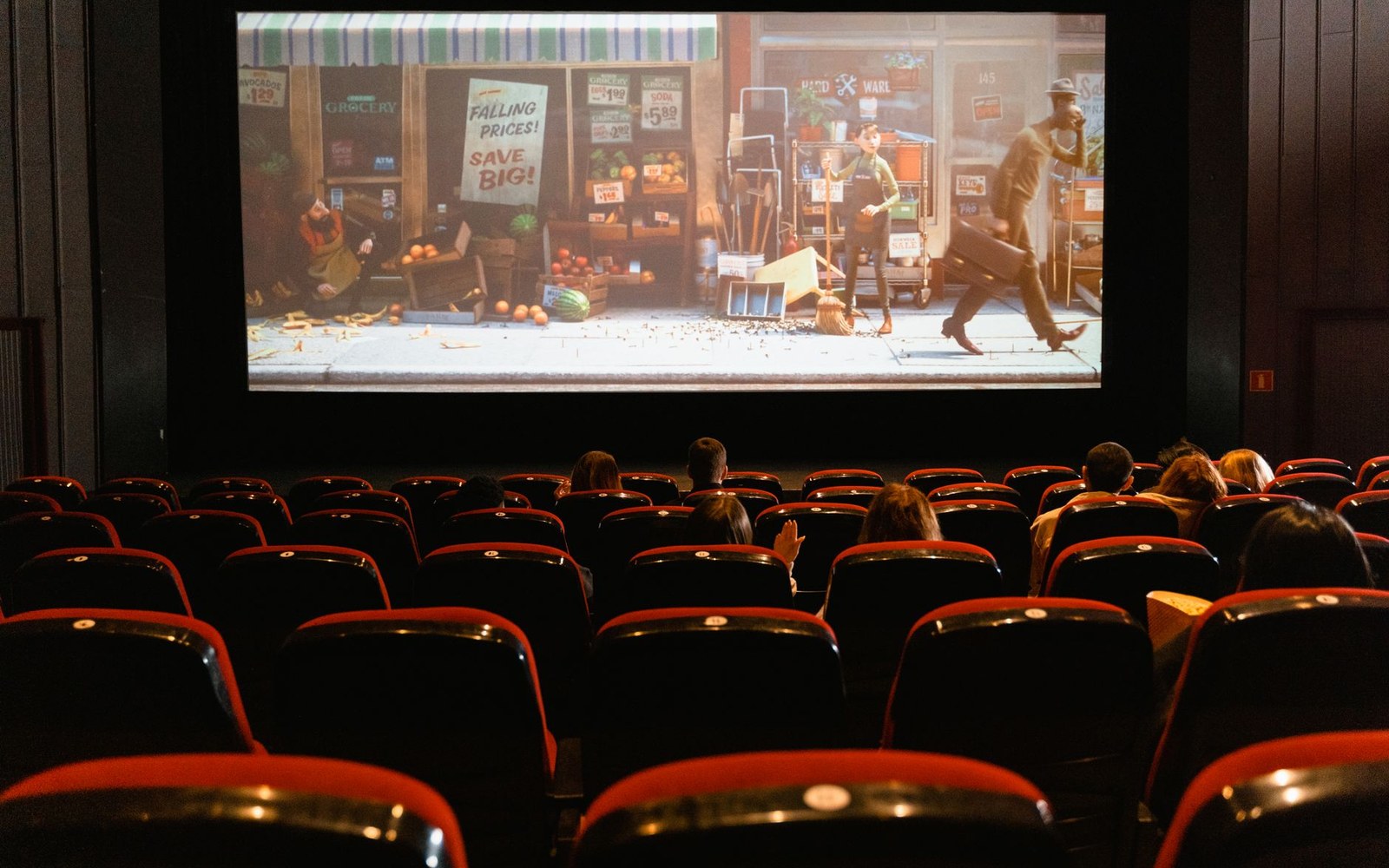
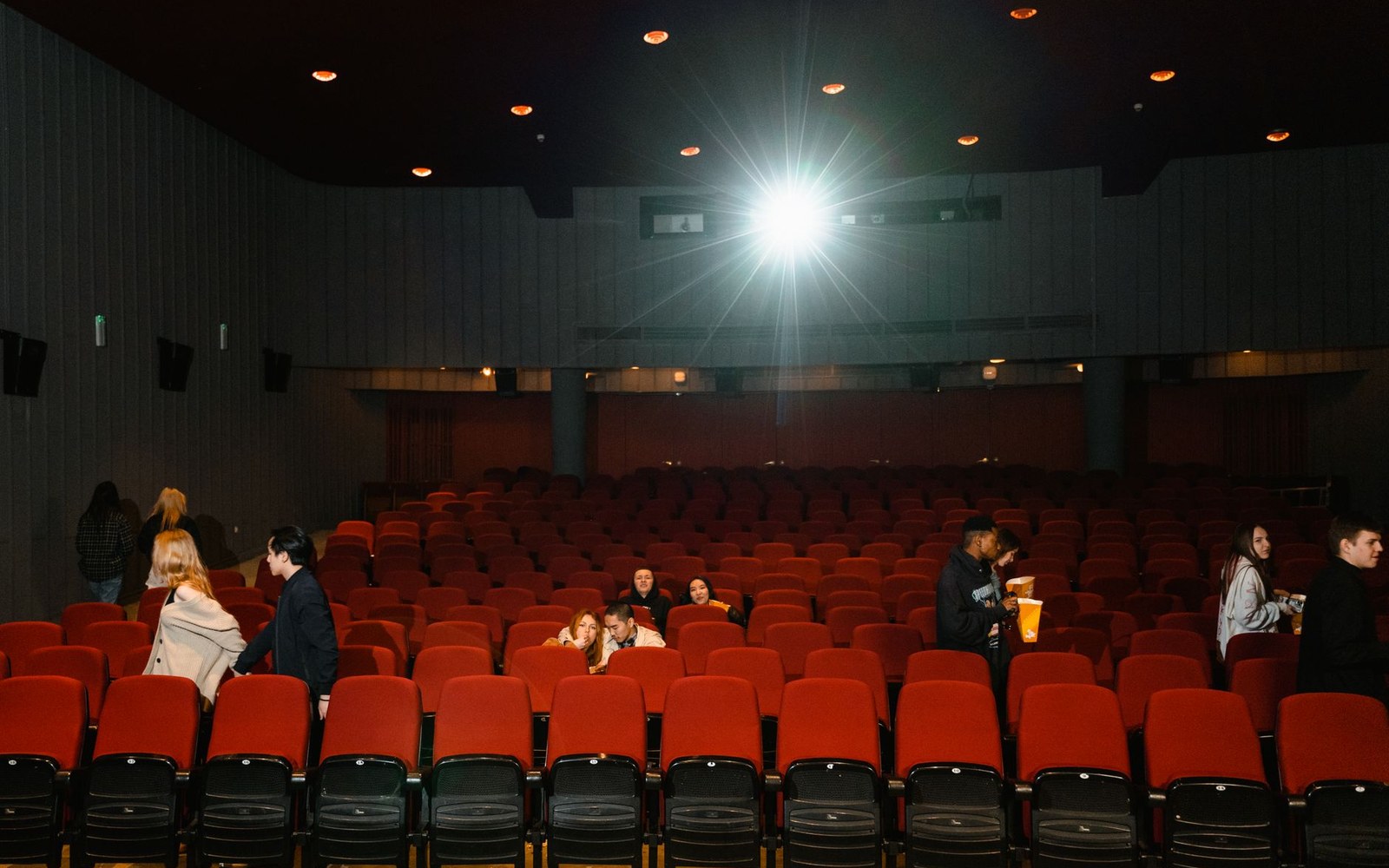
The house before a feature. The single-screen cinema on Highway 101 in Encinitas opened in 1928 and has been used as a screening room for surf programmes ever since the films started arriving in cans.
Photo: Tima Miroshnichenko / PexelsSix on the circuit
A single-screen theatre built in a coastal California town before the modern surfboard existed has spent decades as the preferred premiere room for the genre.
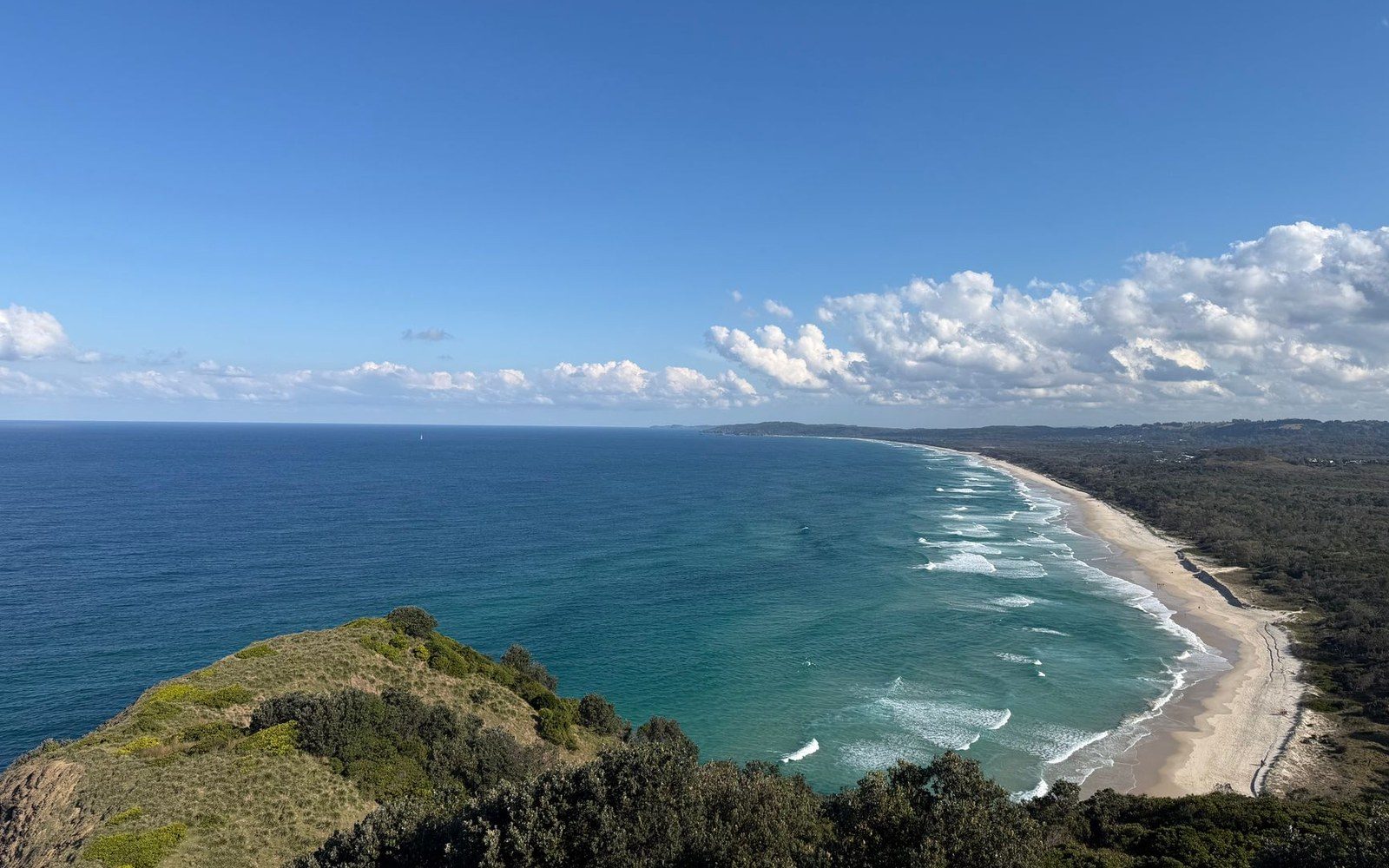
The international surf film circuit has a southern anchor, and it sits not in Sydney or Melbourne but in a small coast…
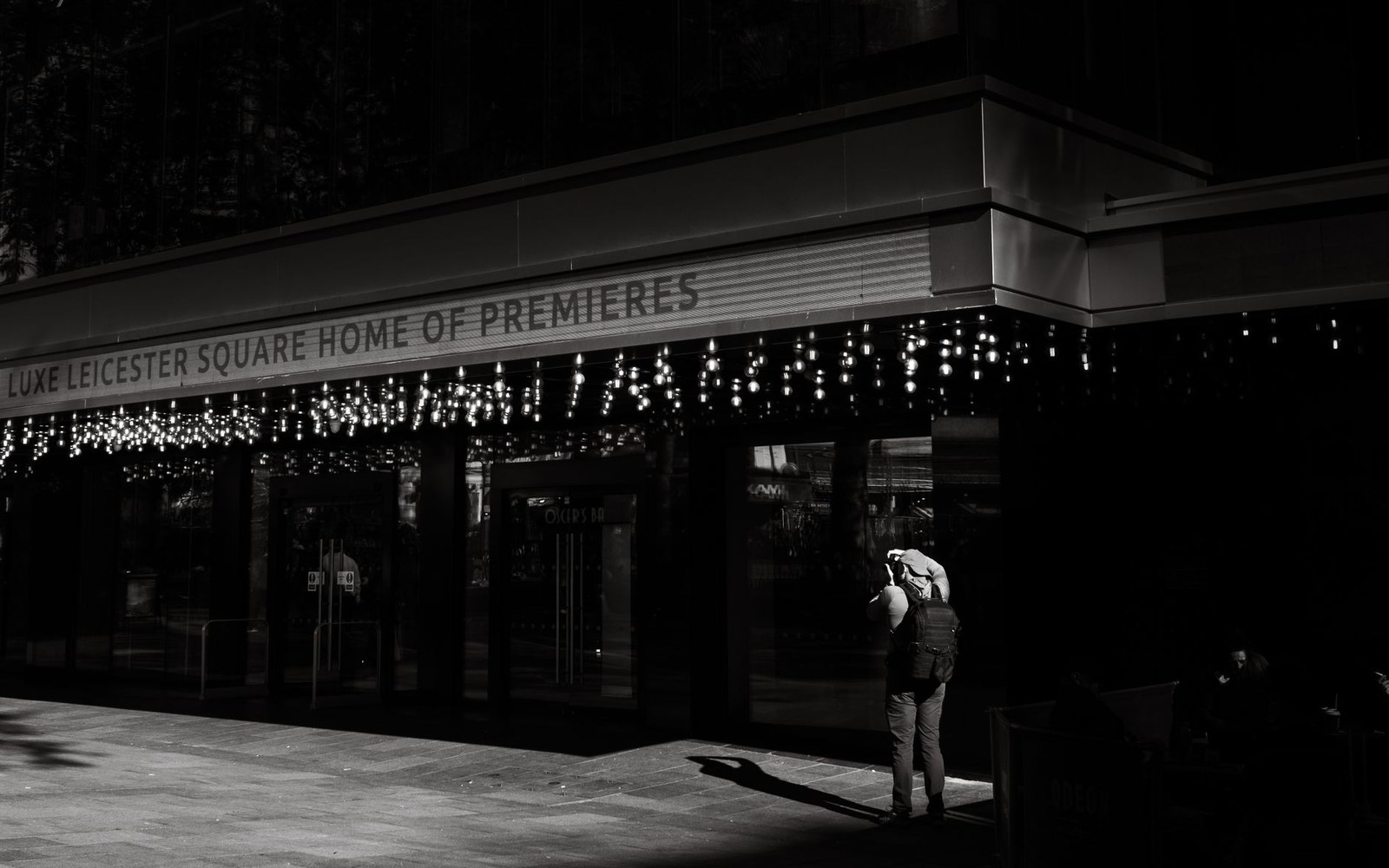
A surf film festival in one of Europe's largest cities makes sense only once you understand what surf cinema has alway…
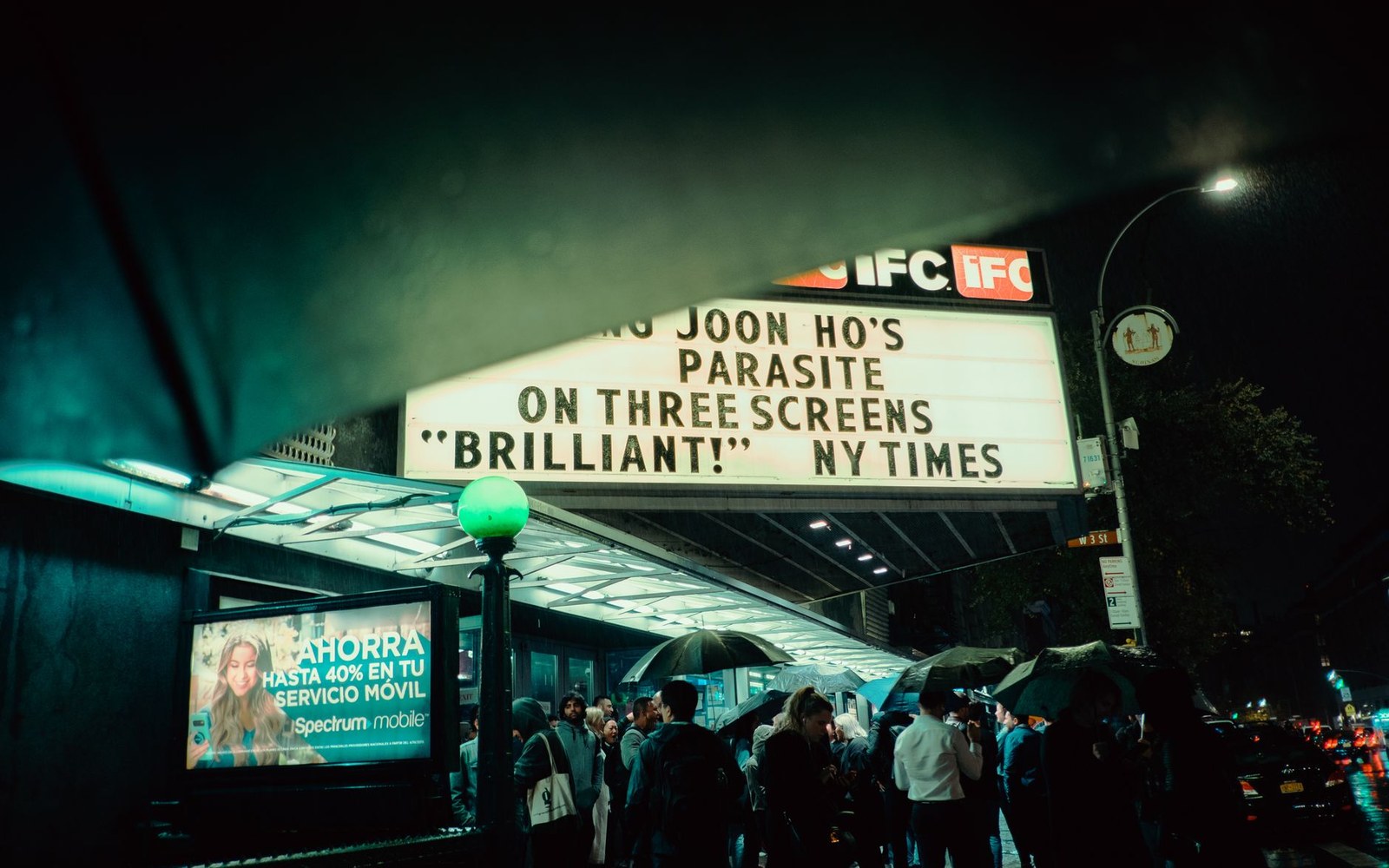
The New York Surf Film Festival runs on cultural distance — from the water, from the industry, and from the beach-town…
Brown carried the print city to city and narrated it live from the side of the screen in halls he rented himself. The distribution model arrived before the genre did — and the festivals are descendants of the rented hall, not of the studio.
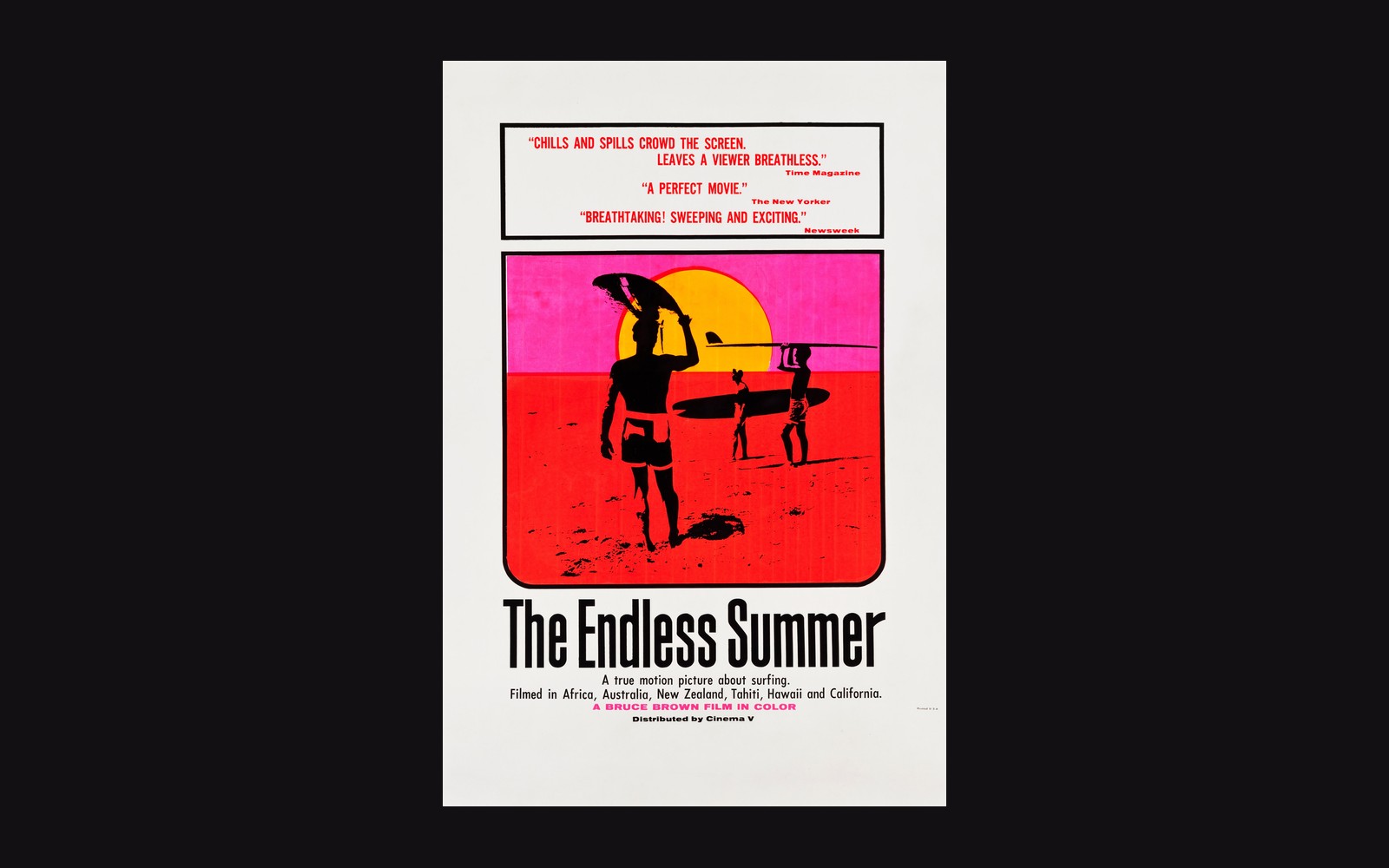
The one-sheet Brown took on the road.
Photo: The Endless Summer · Wikimedia CommonsThree pieces of equipment decided what surf film could show: a housing that let a camera into the impact zone, a long lens that let it stay dry, and a frame rate fast enough to hold the barrel still.

A housing and port, dried between sets. SPL, Aquatech and CMT build the boxes that put a camera inside the wave rather than beside it; the box, not the body, is what decides whether a shot exists at all.
Photo: aquatech.net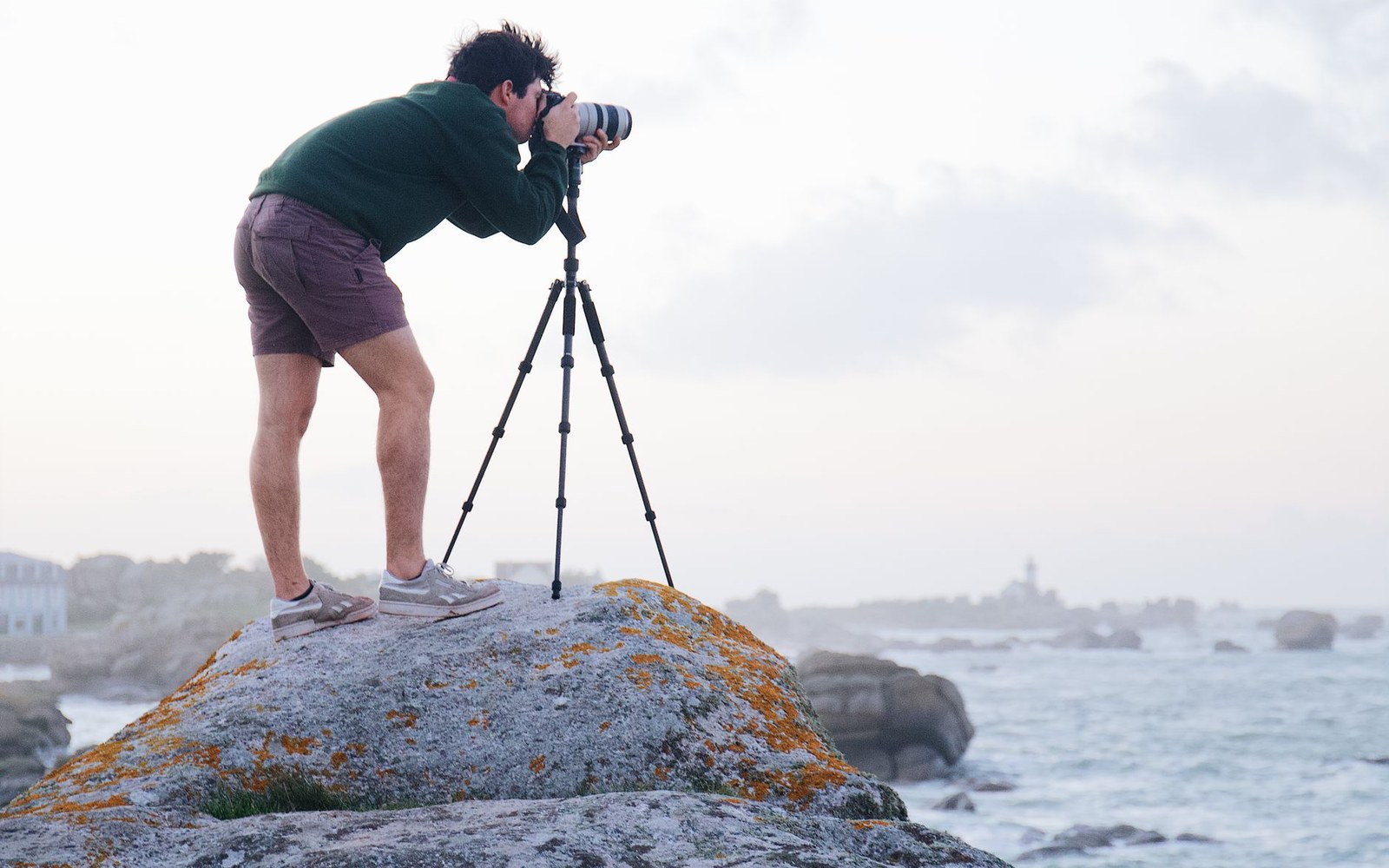
The 70–200 from the sand.
Photo: Maël BALLAND / Pexels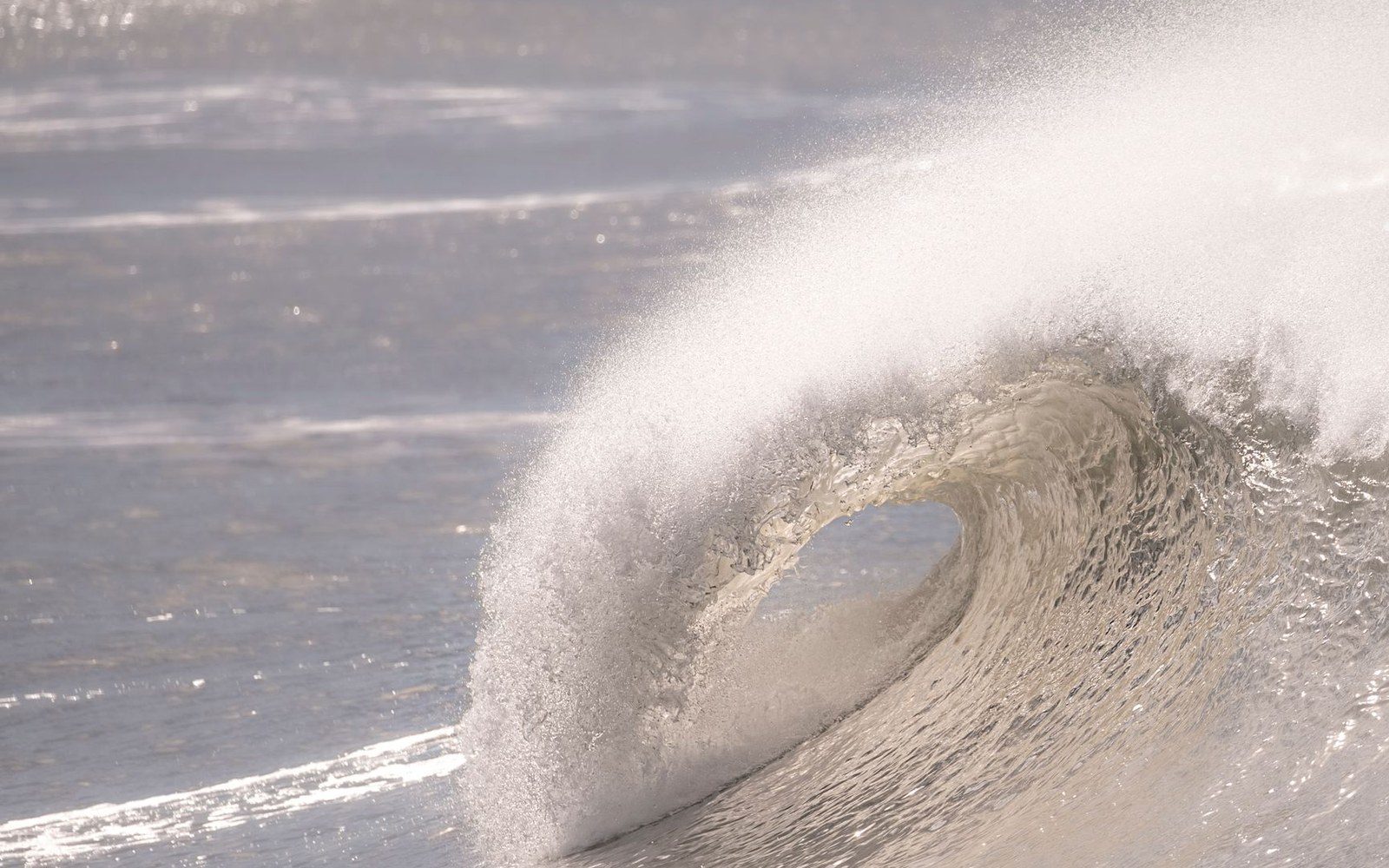
Chris Bryan's high-speed water work slowed the barrel to something an eye can follow, and changed what a surf sequence was expected to look like.
Photo: Nayla Charo / PexelsThe circuit, on a map: the North County and San Diego coast the programme sits on, and the nine places the films keep returning to.
Geometry: OpenStreetMap · Natural EarthWhere this is
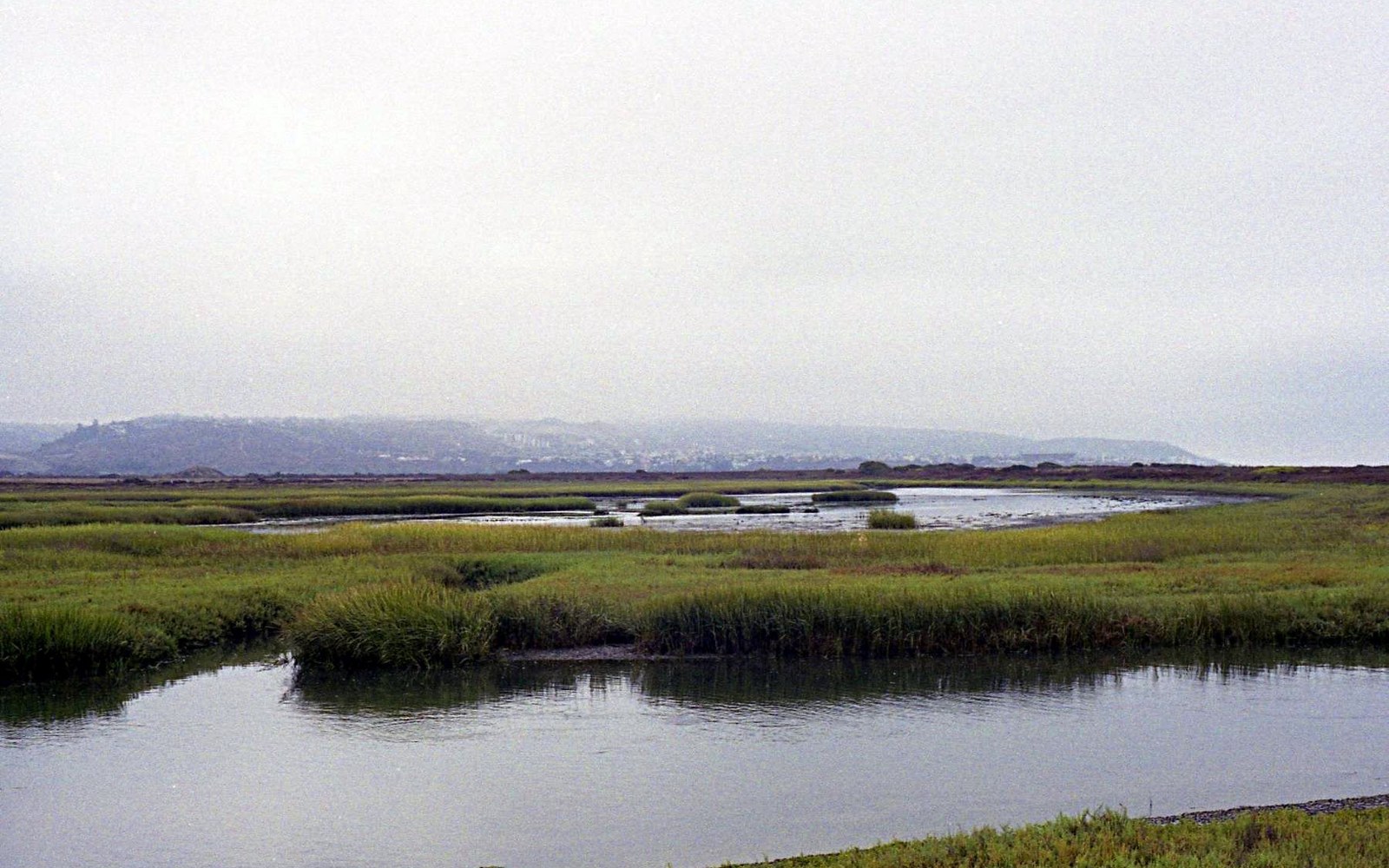
Southern California, United States — the San Diego County coast, from Lower Trestles in the north down to the Mexican border. Los Angeles is about 190 km north; Tijuana about 30 km south.
Pins, north to south
Five, across the four rooms
Christopher Nelius's 2021 documentary rebuilds the 1980s women's professional circuit from the women who ran it — and the archive footage that survived.

A twenty-year-old with a camcorder and a trunk full of VHS tapes rewired how surf cinema reached its audience — and which surf…
Brands like Patagonia and Vans don't just sponsor surf films — they commission them. The arrangement produces serious work, bu…
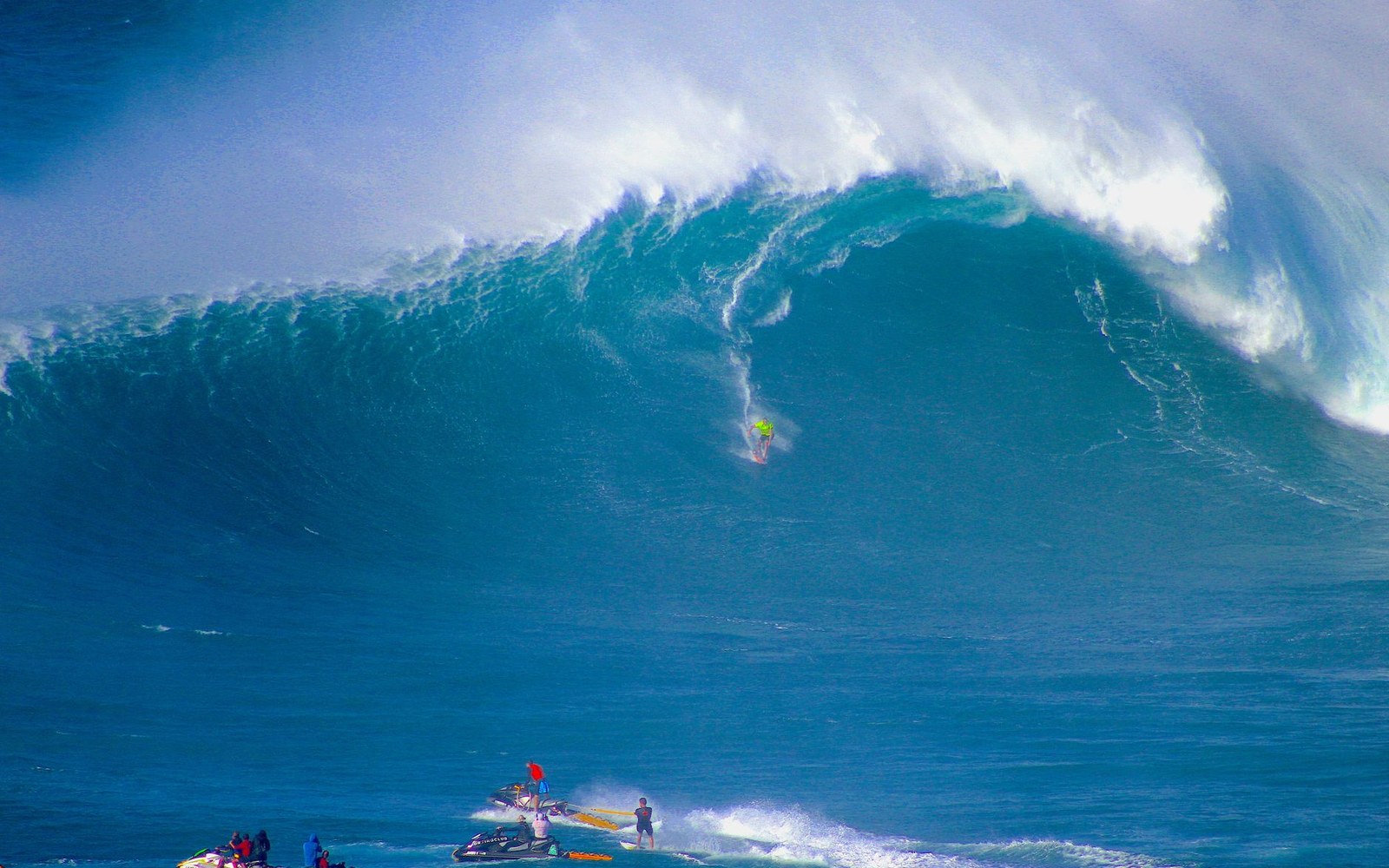
The jet ski as camera platform didn't arrive with a manual — it arrived with Jack McCoy positioning himself beside a forty-foo…
From premiere night to streaming queue, the path is shorter than it looks — and mostly self-managed.
The people and firms who keep this record in print.