What the Record Shows
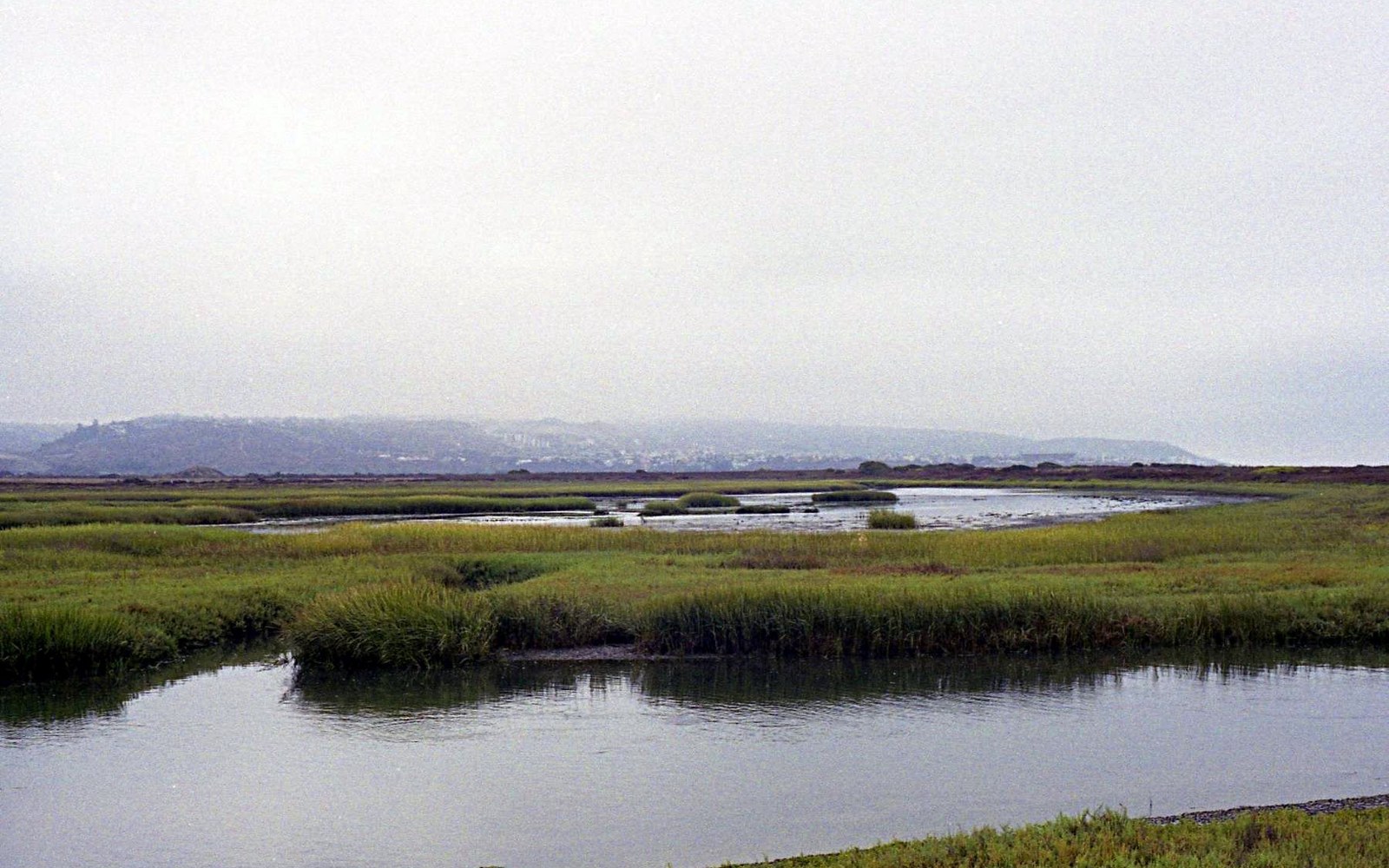
The Tijuana River carries urban runoff, untreated sewage and industrial discharge northward from Tijuana across the international border into the Tijuana River Estuary, emptying near Imperial Beach, California. The system fails most visibly during winter storms, when rainfall overwhelms Mexican wastewater infrastructure and pushes millions of gallons of contaminated water into the Pacific. San Diego County's Department of Environmental Health and Quality has issued recurring closure notices for Imperial Beach and nearby stretches of coastline, with documented beach-closure data maintained by the county showing that some years produce closures spanning weeks at a stretch.
The scale of the problem entered federal and binational attention formally through the International Boundary and Water Commission, the United States–Mexico agency mandated to manage shared water infrastructure. IBWC data and its own violation notices establish that transboundary flows have exceeded permitted levels by substantial margins in multiple years across the past three decades. Imperial Beach, one of the southernmost surf breaks in San Diego County, has been among the most frequently affected stretches of coast in California by this measure.
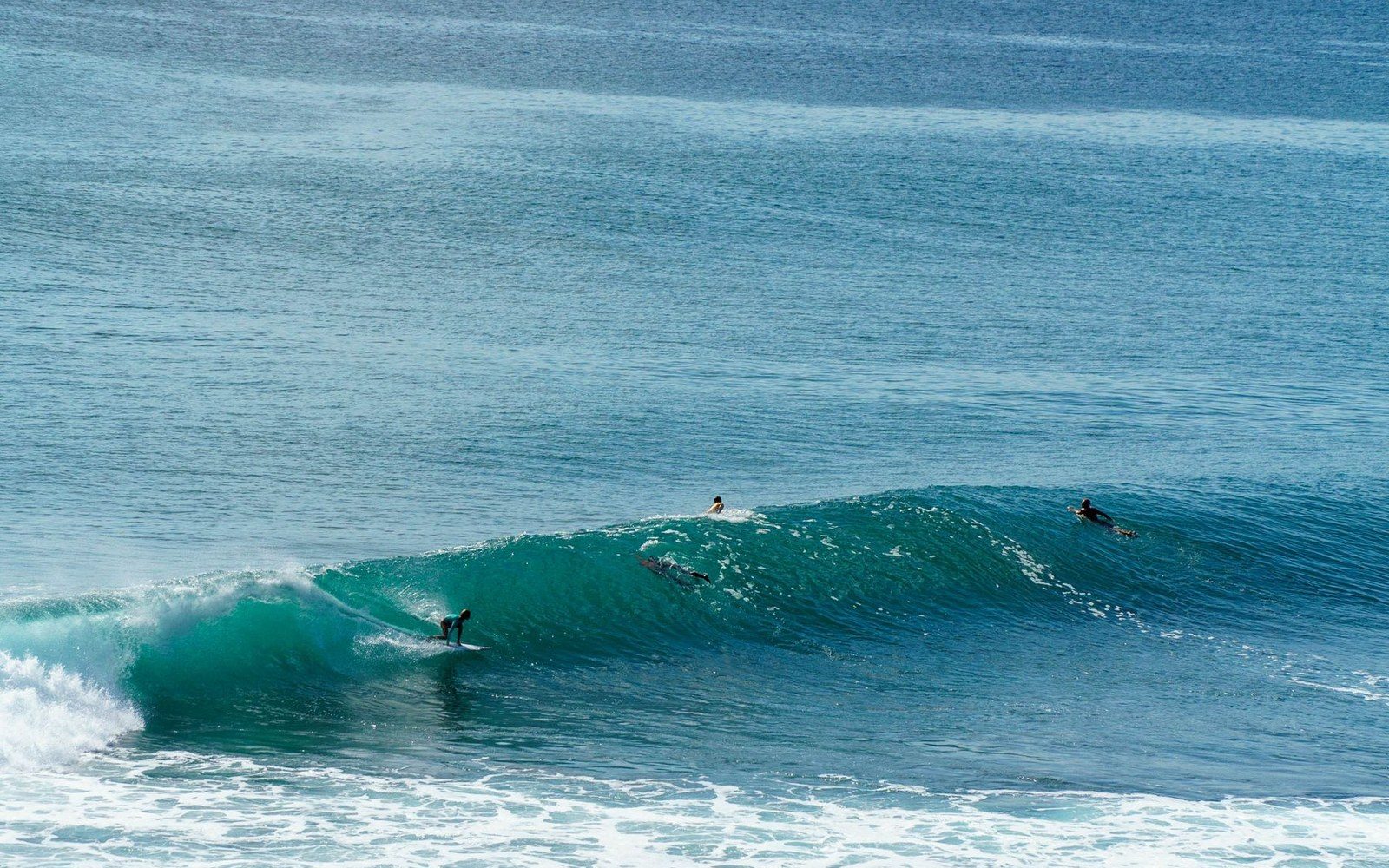
A set at Swami's, from the bluff.
Photo: Lucien Schreiber / Pexels
Almost every surf film opens on some version of this frame, which is why the good ones are careful about how long they hold it.
Photo: Kampus Production / PexelsReporting by the San Diego Union-Tribune and investigative outlets including Voice of San Diego documented closures and contamination episodes in detail through the 2010s and into the 2020s. Those accounts drew on county monitoring data, EPA correspondence, and testimony from local residents and surfers who described the outflow's smell and discoloration as consistent seasonal phenomena, not anomalies. The Surfrider Foundation, founded in 1984, incorporated Tijuana River conditions into its broader water-quality advocacy work, using the site as a case study in the limits of existing cross-border enforcement mechanisms.
Surf breaks farther north — including Coronado and the breaks around Point Loma — have occasionally been affected during large outflow events, when southerly swells push contaminated water up the coast. The documented connection between storm intensity, infrastructure capacity and beach closure duration gave journalists a straightforward causal chain to report, and it appeared in coverage as early as the mid-1990s.
No single fix has resolved the problem. Congressional appropriations toward expanded treatment capacity at the South Bay International Wastewater Treatment Plant moved in fits across multiple budget cycles. The plant itself, operated under IBWC authority, treats a fraction of the cross-border flow during normal conditions and is routinely overwhelmed during peak events. The water-quality record, taken as a whole, is less a story of neglect than of a structural mismatch between a binational problem and a regulatory framework built for simpler geography.
 Swami's, Cardiff Reef, Blacks: The San Diego Breaks That Keep Appearing
 The Shapers Who Built What the Films Were Riding