
From Workshop to Screen
Rusty Preisendorfer founded his shaping label out of San Diego in the early 1980s, and the boards that came out of his operation quickly appeared under some of the most photographed surfers of the competitive era. His designs — notably his high-performance shortboards built for the WSL Championship Tour — were tuned for the kind of explosive, vertical surfing that cinematographers were chasing into the barrel and back out. When Kelly Slater and other tour competitors rode Rusty equipment through the 1990s and into the 2000s, the boards were implicitly part of the visual language: a tighter, more aggressive arc in the lip translated directly into more dramatic imagery at twenty-four frames per second, and more dramatic imagery still when Chris Bryan began shooting at frame rates approaching 1,500 frames per second, revealing the flex and spray geometry of a well-tuned performance shortboard in ways no prior camera system had made visible.
Bing Surfboards carries a longer history. Founded by Bing Copeland in Hermosa Beach in 1959 and later based in the Encinitas–Carlsbad corridor, Bing was part of the craft-era infrastructure that predated the competitive industry — a period when boards were longer, rounder, and ridden with a different center of gravity. The films of that era, including the longform road documents Bruce Brown made before The Endless Summer, captured precisely that style: cross-stepping, nose-riding, the full-rail turn. Bing boards appear in that footage not as branded product but as the physical reason the surfing looks the way it does. The nose-rider's slower, weight-forward geometry gave cinematographers a longer window to compose a shot inside a wave, a formal advantage that the transition to shortboards in the late 1960s and early 1970s effectively ended.
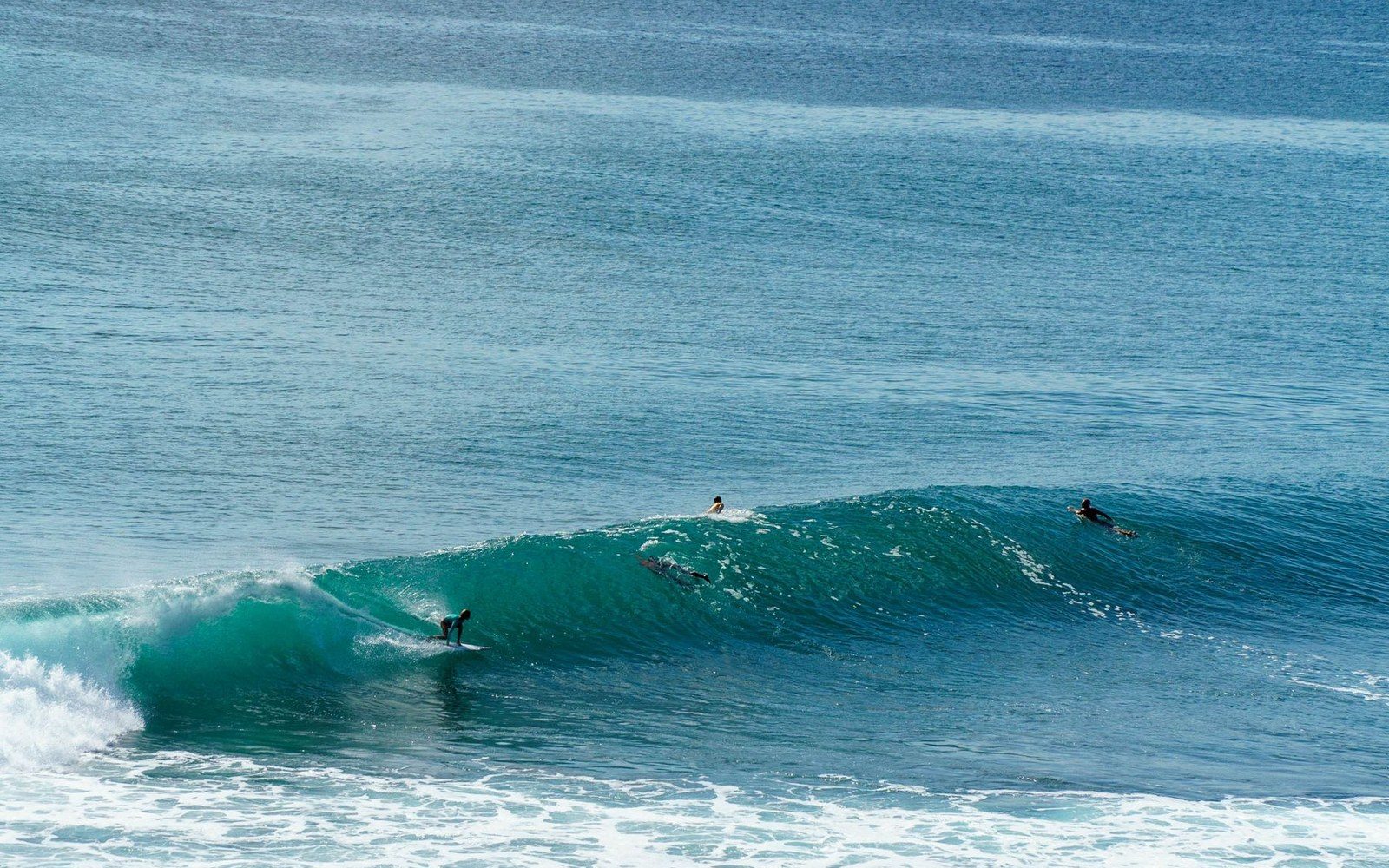
A set at Swami's, from the bluff.
Photo: Lucien Schreiber / Pexels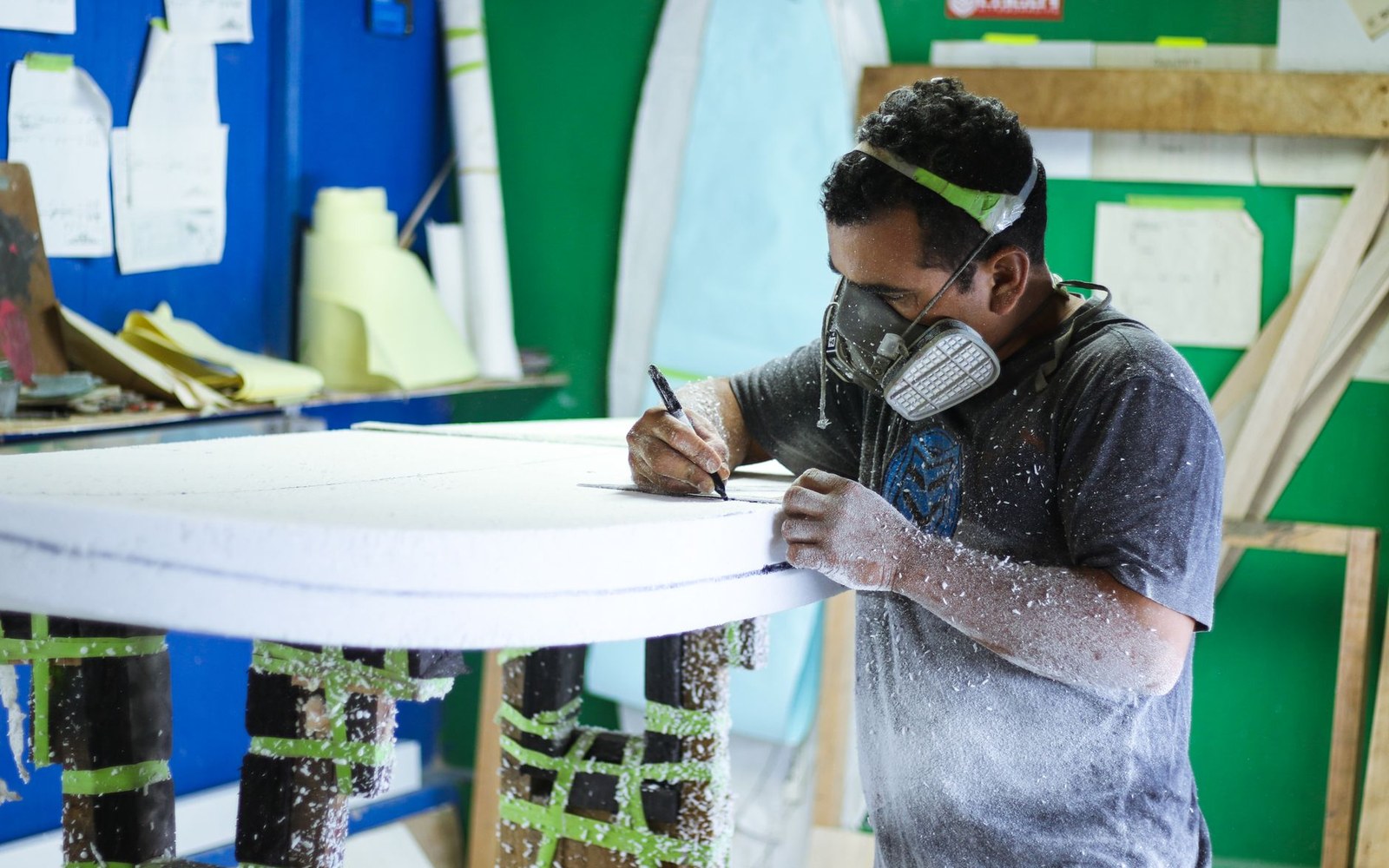
Board design decided what a camera could catch: a shorter, looser board put manoeuvres in front of a lens that had been framed for trim.
Photo: Harold Granados / Pexels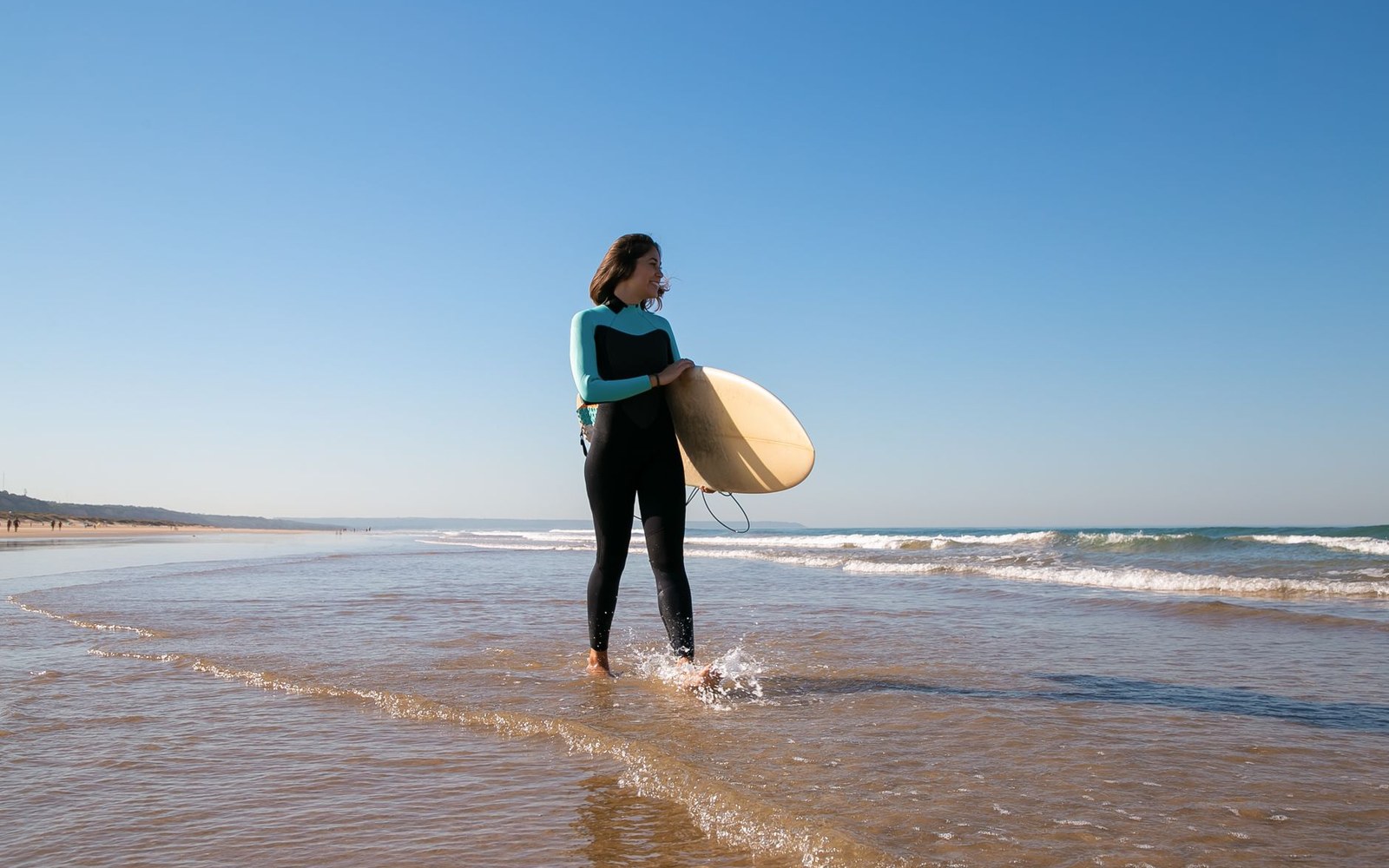
First light, and the walk out.
Photo: Kampus Production / PexelsChannel Islands Surfboards, founded by Al Merrick in Santa Barbara and distributed through San Diego-area shops, became the dominant shaping force of the competitive period. Kelly Slater won multiple world titles on Channel Islands equipment, and the boards were a constant presence in the footage shot at Pipeline on Oahu and at Teahupo'o in Tahiti — the two locations that drove surf cinematography toward higher risk and more sophisticated water-housing design through the 1990s and 2000s. The boards Merrick built for Slater were precision instruments for hollow, fast-breaking waves, and it was precisely those waves — the ones that produce the cylindrical barrel that is surf cinema's central visual subject — that demanded better optical ports, wider fisheye lenses, and eventually the jet-ski camera platforms that Jack McCoy helped develop. Board design and camera technology were running a parallel evolution, each responding to the same thing: the demand for a more extreme image.
What the Board Decided Before the Camera Got There
A shaping decision made in a workshop in Encinitas or Santa Barbara determined what a cinematographer could reasonably capture. A board built for massive Teahupo'o — wider, thicker, with a pulled-in tail — placed its rider in a different position inside a wave than a board built for the punchy beach-break of Cardiff Reef. Those positions determined camera angle, distance, and the physical risk the water cinematographer accepted by swimming into position. The water housing was engineered around the assumption that the surfer would be in a specific part of the wave, and that assumption originated with the shaper.
The San Diego region concentrated this relationship unusually tightly. Swami's, Cardiff Reef, and Windansea were testing grounds for boards before those boards appeared on screen in heavier water elsewhere. Rusty Preisendorfer's team riders surfed those breaks. Bing boards appear in archival footage shot within a few miles of where they were built. The proximity of shaping bay to filming location — and eventually to festival venue, with La Paloma Theatre in Encinitas hosting finished work — made the corridor from board blank to finished film unusually short, and that compression is visible in the imagery the region kept producing across six decades of surf cinema.
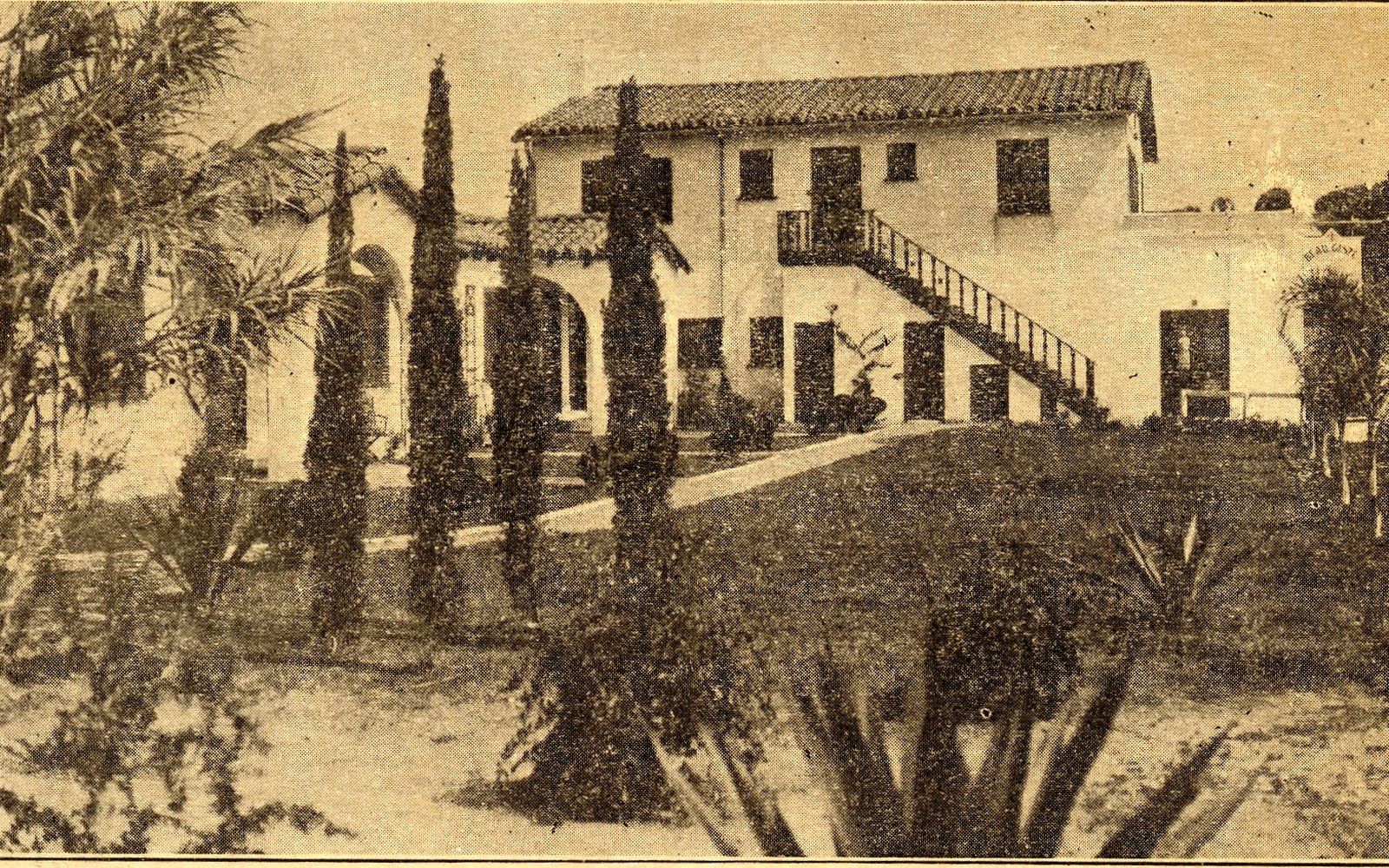 Swami's, Cardiff Reef, Blacks: The San Diego Breaks That Keep Appearing
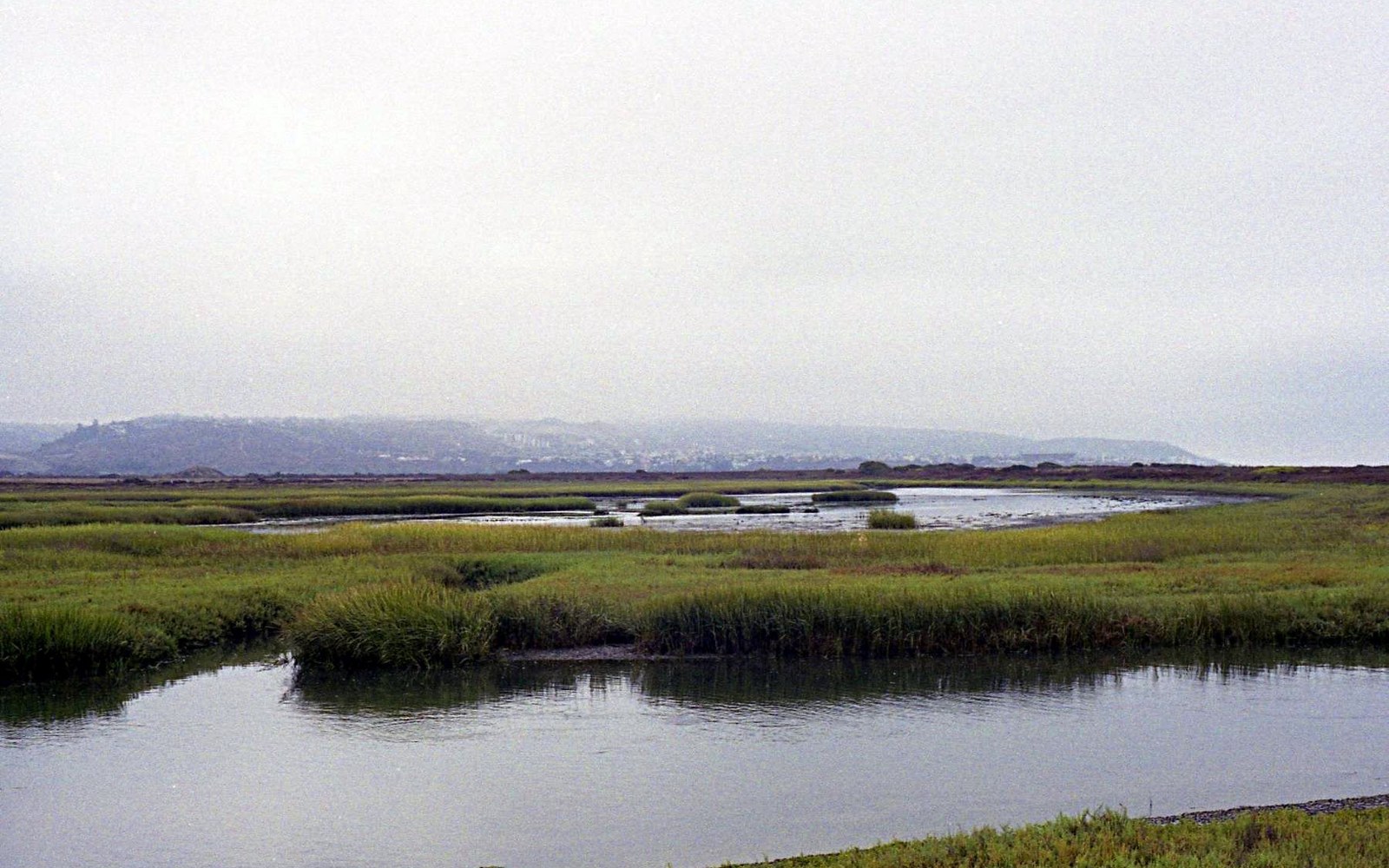 The Tijuana River Outflow and the Reporting That Followed It