A Foundation, a Break, and What Was at Stake
The Surfrider Foundation was established in 1984 by a group of surfers based in Malibu, California. Glenn Hening, Tom Pratte, and Lance Carson founded the organization with a stated purpose of protecting the coastal environment — water quality, beach access, and wave integrity. What began as a local advocacy operation grew, through litigation and coalition-building, into a nonprofit with chapters across the United States and internationally. The founding year matters because it places Surfrider at the start of a decade in which surf culture was becoming commercially viable and politically visible at the same time, a combination that gave environmental arguments inside the sport unusual leverage.
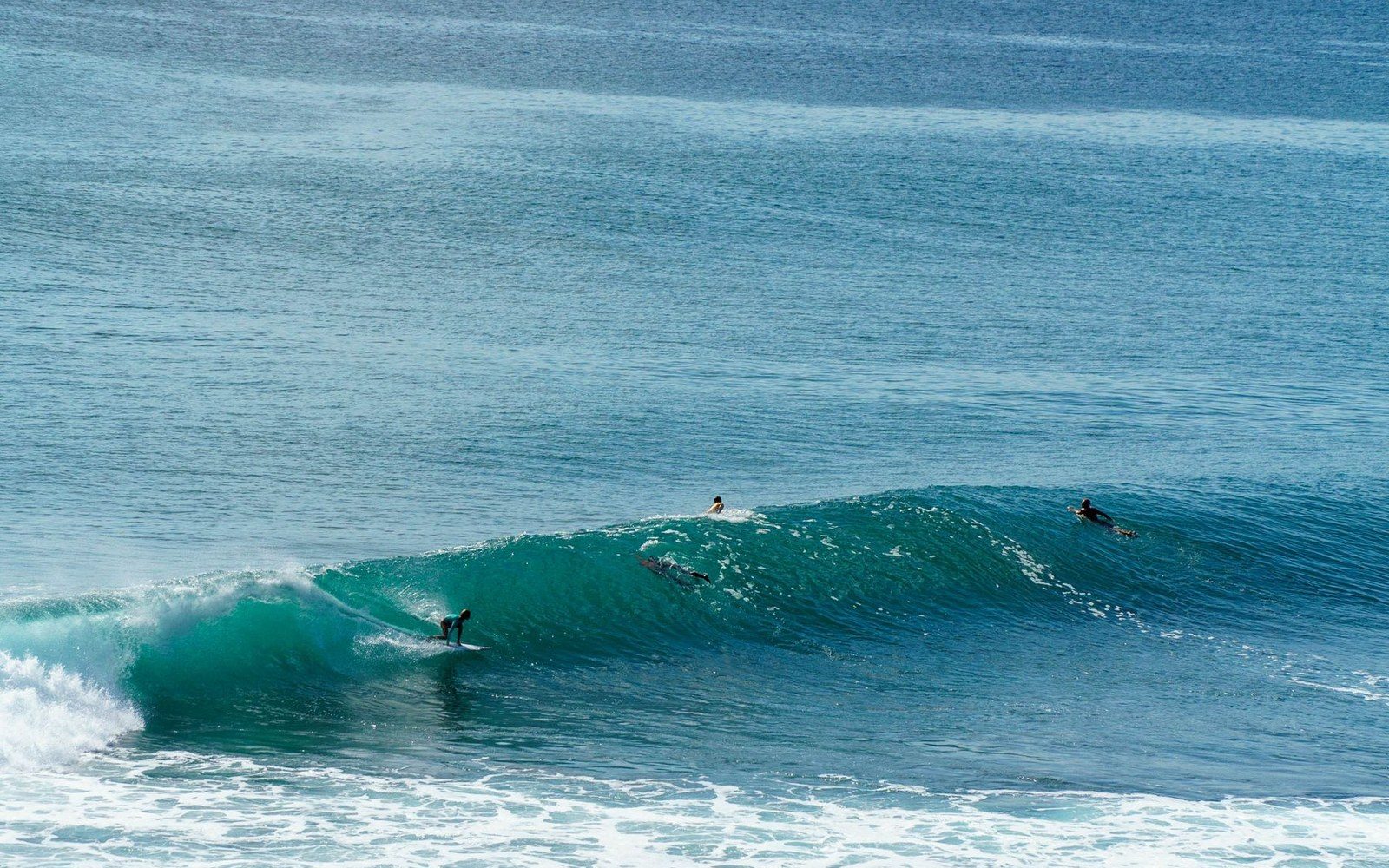
Lower Trestles, the break that runs along the southern boundary of San Onofre State Beach in San Diego County, was already carrying a significant reputation when Surfrider incorporated. The wave breaks over a rock and cobble bottom at the mouth of San Mateo Creek, producing a consistent, high-performance left and right that had appeared on film and in competition coverage since the 1960s. Its position — inside a state park, accessible only on foot or bicycle through land managed partly by the Marine Corps Installations West at Camp Pendleton — had kept it from the worst of coastal development. That relative remoteness made what came later feel all the more alarming to the surfing community.
First light, and the walk out.
Photo: Kampus Production / PexelsThe Toll Road Campaign
The defining contest over Lower Trestles arrived formally in the mid-2000s, when the Transportation Corridor Agencies proposed extending the 241 Toll Road — a stretch of highway in Orange County — southward through San Onofre State Park to connect with Interstate 5. The alignment would have crossed San Mateo Creek within approximately a mile of the break and, in the assessment of environmental advocates, would have materially altered the creek's sediment flow, water quality, and the coastal ecosystem that supported the wave's character. The California Coastal Commission received the project's coastal development permit application and, in February 2008, voted to deny it, finding the proposal inconsistent with the California Coastal Act. The vote was eight to two.
Surfrider was not the only organization opposing the extension — the Sierra Club, the California State Parks Foundation, and multiple local government bodies filed objections — but Surfrider's campaign gave the fight a visible constituency that news coverage could illustrate with images of surfers. That visibility was not incidental. The sport's photogenic relationship with coastline had always made its environmental arguments legible to audiences that might otherwise scroll past a creek-hydrology report. The Coastal Commission's denial was later upheld through subsequent legal challenges brought by the Transportation Corridor Agencies, and the southern extension was formally abandoned.

Board design decided what a camera could catch: a shorter, looser board put manoeuvres in front of a lens that had been framed for trim.
Photo: Harold Granados / PexelsHow Cinema Engaged the Argument
Surf film's relationship to environmental advocacy has never been straightforward. The genre was built on access — to remote coastline, to uncrowded breaks, to ecosystems that hold a wave in its best condition — and those interests align naturally with conservation arguments. But the films have engaged unevenly. The lyrical, nature-immersed aesthetic that Albert Falzon established in Morning of the Earth (1971) carried an implicit environmental argument without making an explicit one. The images of unspoiled coastline, the absence of development, the surfer as participant in a natural system rather than consumer of a resort — these framed a set of values that Surfrider would later articulate in policy terms.
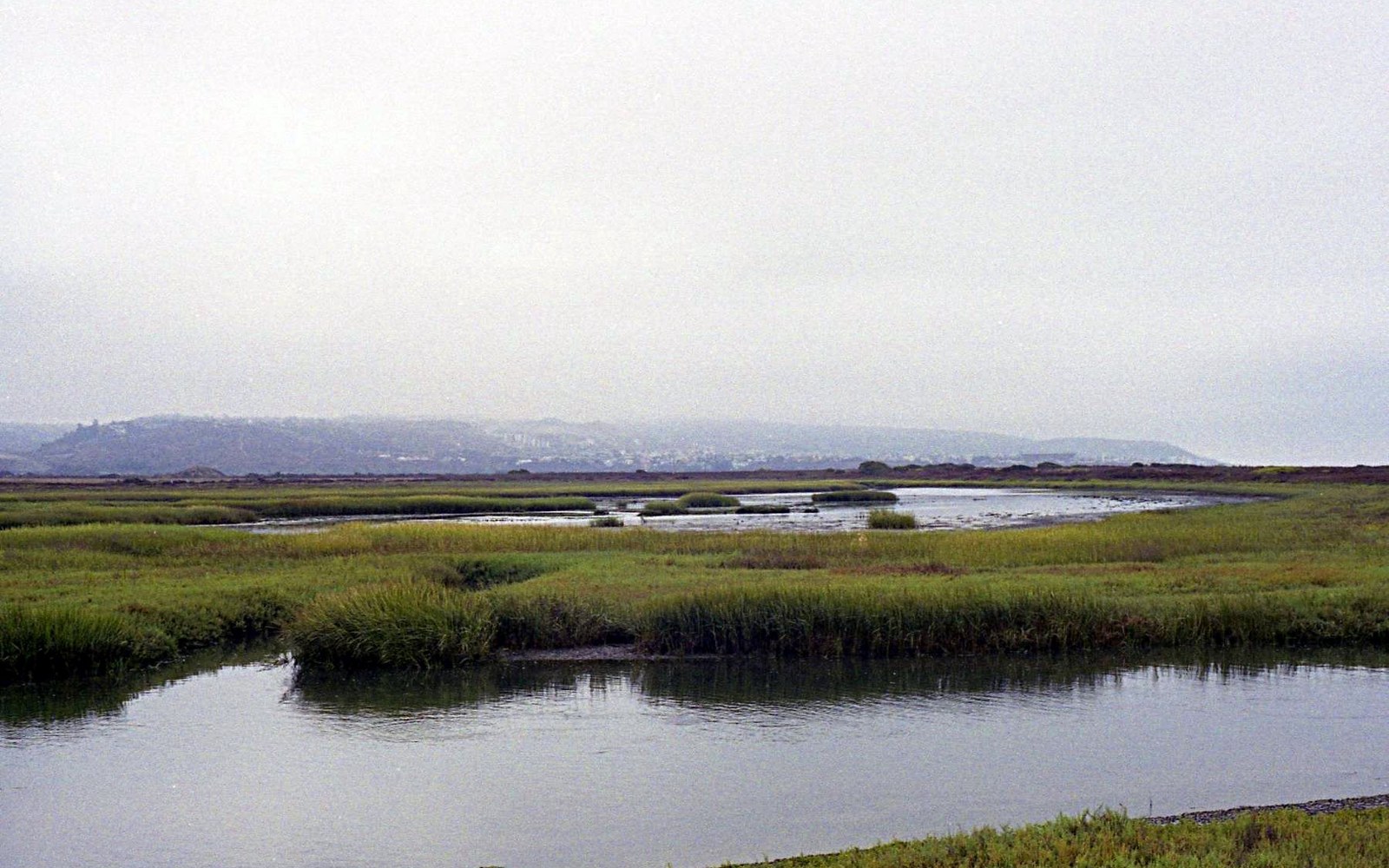
By the 2000s, some films were engaging the argument directly. Patagonia, which funded documentary projects as part of its environmental mission, produced work that treated coastal ecology as subject matter rather than backdrop. The distinction is significant: when a film treats ocean water quality as scenery, it aestheticizes the issue; when it names the specific outflow, the specific legislation, the specific vote, it asks something different from an audience. The Tijuana River outflow — which affects breaks from Imperial Beach northward through San Diego County — attracted documentary attention that belonged to this more explicit mode, treating cross-border sewage contamination as a reportable story rather than a surfing inconvenience.
First light, and the walk out.
Photo: Kampus Production / PexelsTrestles itself appeared in competitive surfing coverage with enough regularity that any campaign to alter the break's environment carried automatic reach into that archive. The WSL Championship Tour has held events at Lower Trestles — the Hurley Pro and its successor contests ran there for years, generating broadcast and short-form video content that built the break's global recognition. When Surfrider's campaign against the toll road extension was at its peak, that body of existing footage gave journalists and advocates a ready visual language. The break was not abstract. Audiences who had watched Kelly Slater or the Momentum-era generation perform there knew exactly what was being discussed.
What the Record Shows
The 2008 Coastal Commission vote remains the clearest documented outcome of sustained advocacy at a specific California break. It demonstrated that a surfing organization could participate in a regulatory proceeding — submitting testimony, commissioning technical reports, building political coalitions — and affect the result. Surfrider filed formal comments in that proceeding alongside environmental scientists and coastal engineers. The campaign was not won by images alone, but the images sustained public attention long enough for the procedural work to complete.
Timeline of key events
- 1984Surfrider Foundation established in Malibu by Glenn Hening, Tom Pratte, and Lance Carson
- 1972California Coastal Act enacted; the legal instrument later central to the Trestles campaign
- Mid-2000sTransportation Corridor Agencies propose 241 Toll Road southern extension through San Onofre State Park
- February 2008California Coastal Commission votes 8–2 to deny the coastal development permit
- Post-2008TCA legal challenges to the denial resolved; southern extension formally abandoned
What the Trestles campaign also demonstrated was that surf culture's environmental politics had matured past bumper-sticker advocacy. Surfrider engaged the California Coastal Act, a 1972 statute governing development along the state's coastline, on its own technical terms. The organization's legal and scientific capacity had grown considerably from its 1984 founding, when its principal tools were membership newsletters and beach cleanups. Two and a half decades of institutional development produced an organization capable of intervening in a major infrastructure permit process and prevailing.
Surf cinema's role in that development is supporting rather than central. The genre kept the visual argument present — the wave, the creek mouth, the cobble point — in the way that only moving images can. It did not draft the permit objections or argue before commissioners. But in a campaign that required sustaining public attention across years, the footage held something in place that policy documents alone could not.
 Swami's, Cardiff Reef, Blacks: The San Diego Breaks That Keep Appearing
 The Shapers Who Built What the Films Were Riding
 The Tijuana River Outflow and the Reporting That Followed It