
A Different Kind of Journey
Bruce Brown's The Endless Summer (1966) gave the genre its default shape: two surfers, a globe-spanning itinerary, a narrator who keeps things light. It was journalism with a wetsuit, cheerful and purposeful. Albert Falzon's Morning of the Earth, completed in 1971 and released in 1972, did something structurally opposite. There is no narrator. There is no competitive arc. The camera follows a loose gathering of Australian and Hawaiian surfers — among them Gerry Lopez, Michael Peterson, and Terry Fitzgerald — as they retreat from the contest world toward coastlines that ask nothing of them. The film's central argument, made entirely through images and music, is that surfing is most itself when it is least organised.
Falzon, working out of Sydney, shot on 16mm with a sensibility closer to experimental cinema than to the sports-documentary tradition Brown had refined. The camera lingers. Waves break and the surfer is already gone, and the camera stays on the water anyway. Several sequences dwell on the construction of hand-shaped boards, on vegetable gardens, on the architecture of a simple house near Byron Bay, New South Wales — the coastal town that the film helped transform into a cultural shorthand for a certain kind of deliberate slowness. None of this is incidental. Falzon was making a case for a life organised around surfing rather than a life that occasionally surfaces to surf.
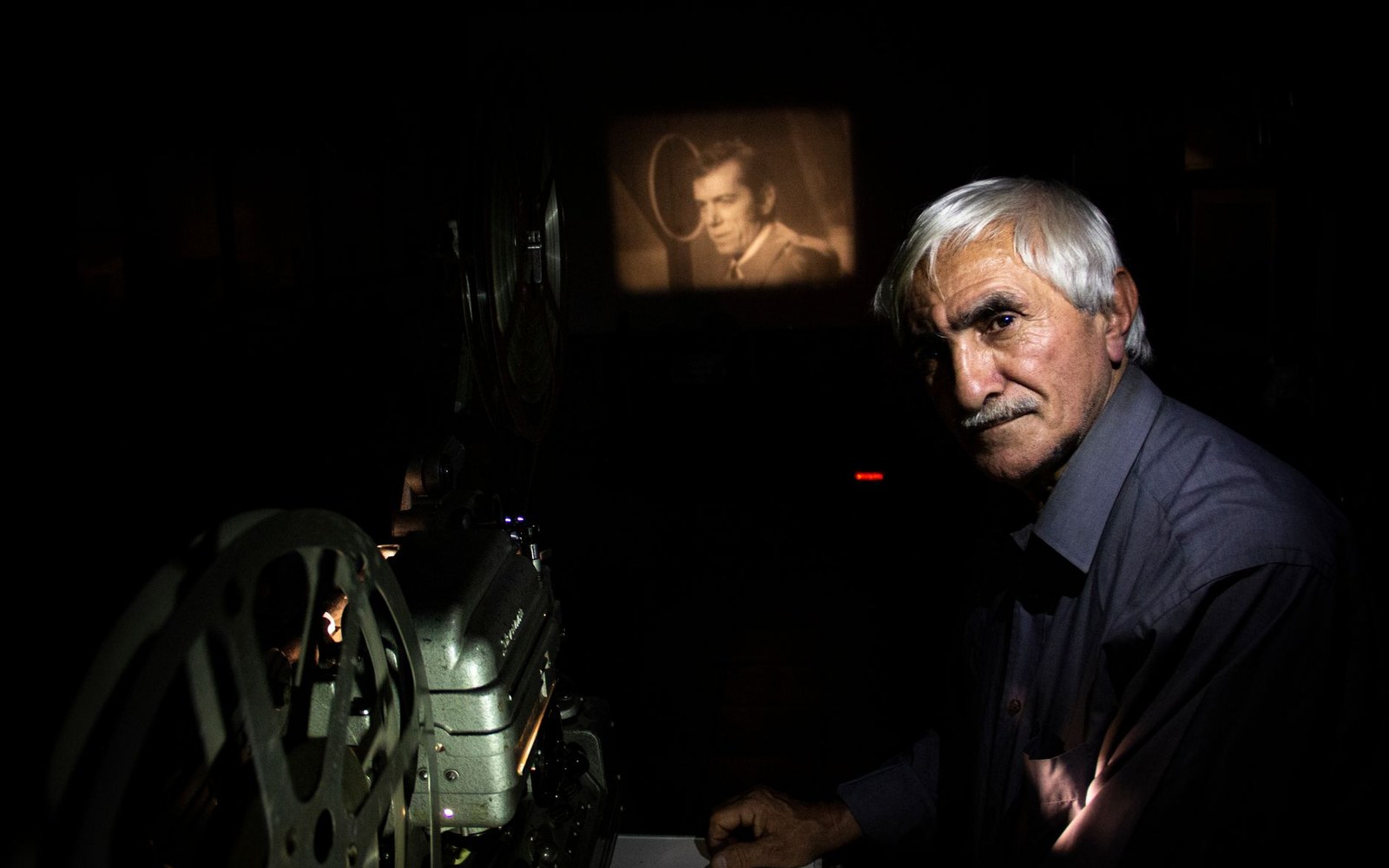
A booth, mid-reel.
Photo: Mehmet Orak / Pexels
Board design decided what a camera could catch: a shorter, looser board put manoeuvres in front of a lens that had been framed for trim.
Photo: Harold Granados / PexelsThe Soundtrack as Structure
What held Morning of the Earth together — and what made it genuinely radical — was its decision to let the soundtrack carry the film's narrative weight. Doris Troy, G. Wayne Thomas, Tamam Shud, and Brian Cadd contributed original recordings that were assembled to function less as accompaniment than as the film's actual voice. Each musical piece corresponds to a surfer's sequence in a way that allows mood to substitute for plot. Where The Endless Summer used narration to tell audiences what to think, Morning of the Earth used melody and rhythm to tell them what to feel. The distinction sounds small; in practice it reorganised the genre's ambitions entirely.
The film's influence on subsequent surf cinema is less a matter of direct imitation than of permission. After Morning of the Earth, a filmmaker could reasonably choose stillness over action, landscape over performance, atmosphere over competition — and point to Falzon as justification. Thomas Campbell's later decision to shoot on 16mm film when the industry had moved wholesale to video carries some of the same logic: the medium and its limitations are themselves a statement.
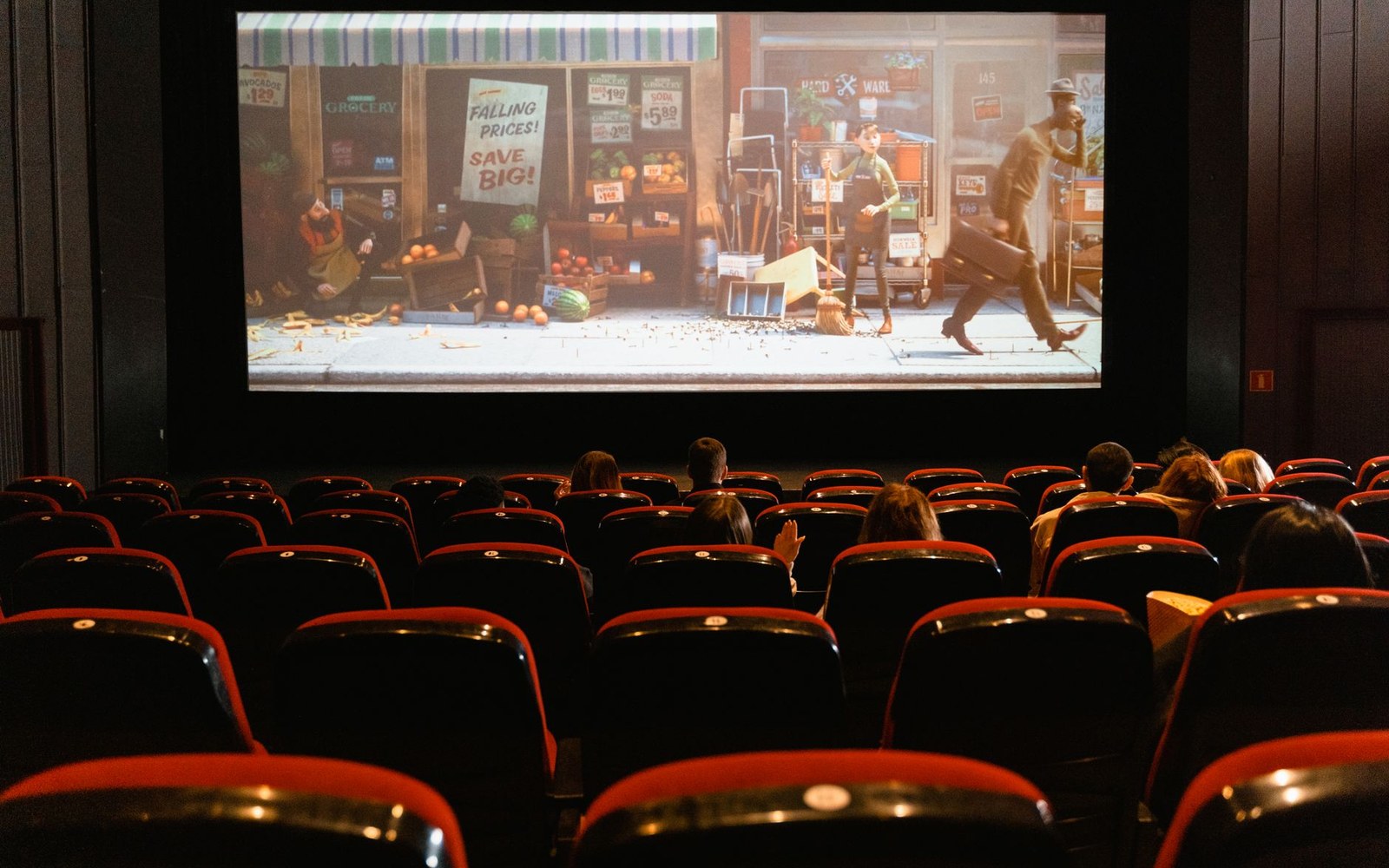
The circuit's basic unit: a room somebody already owns, a print or a file, and an audience that sat down on purpose rather than scrolled past it.
Photo: Tima Miroshnichenko / PexelsWhy It Still Gets Cited
Morning of the Earth arrived at a specific cultural moment — the early 1970s, when countercultural energy in Australia and Hawaii was directing young surfers away from the formalising structures of professional competition — and it captured that moment with enough precision that it reads, fifty years later, less as a period document than as a recurring argument. The World Surf League's Championship Tour represents one answer to the question of what surfing is for. Falzon's film represents another.
The question of how surf documentary handles the tension between competition and lifestyle has not resolved. Films built around WSL Championship Tour events produce one aesthetic; films that follow surfers away from contest venues produce another. Morning of the Earth established that the second tradition was viable and, to some audiences, more honest. It gave the quieter film a genealogy to belong to.
The film has been restored and continues to screen at surf film festivals, where its reputation functions as a kind of measuring instrument. A programmer who chooses to include it is making a statement about what the genre is capable of. An audience that responds to it is confirming that the appetite Falzon identified in 1972 — for surfing as contemplation rather than spectacle — has not gone away.
Chronology of influence
- 1966The Endless Summer establishes the road-trip/narrator model
- 1972Morning of the Earth releases; no narrator, music-led structure
- 1990s onward"video generation" films largely follow action/competition model
- 2000s onwardThomas Campbell, among others, revives the contemplative-film tradition on 16mm
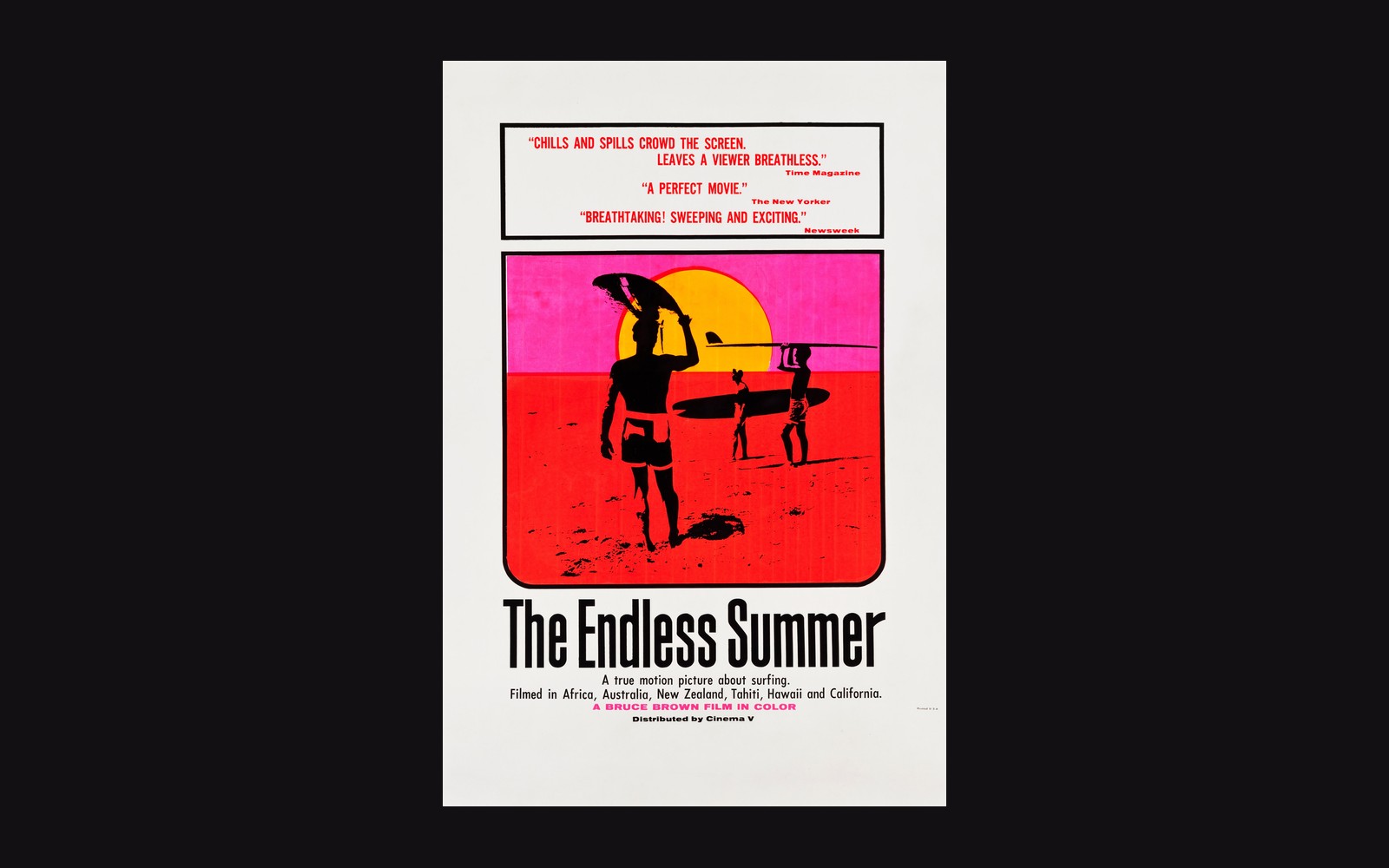 Bruce Brown Sold Tickets from the Back of a Van
 Momentum, 1992: The Year the Genre Went to Video
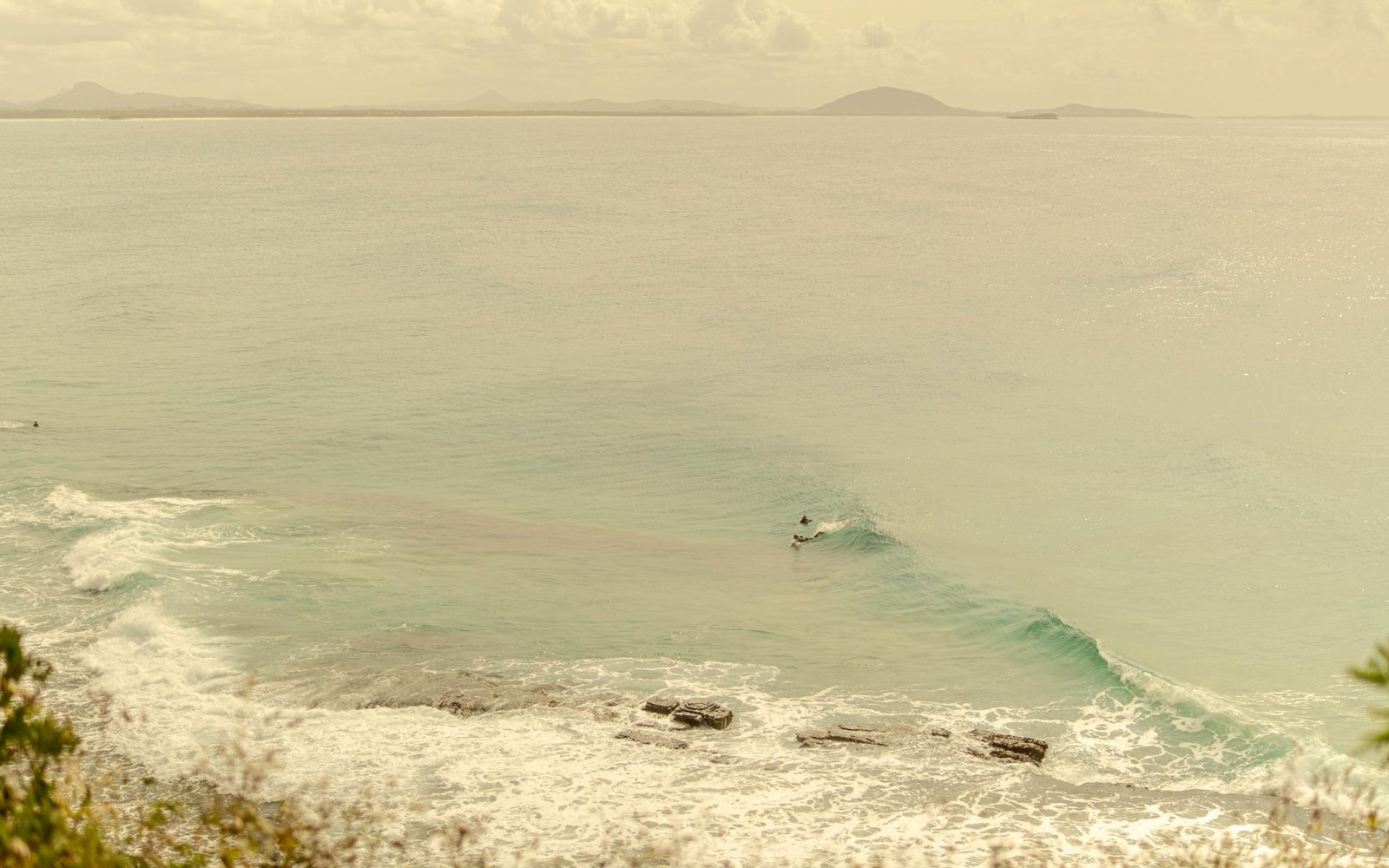 Girls Can't Surf and the Tour It Reconstructed