Format as Decision
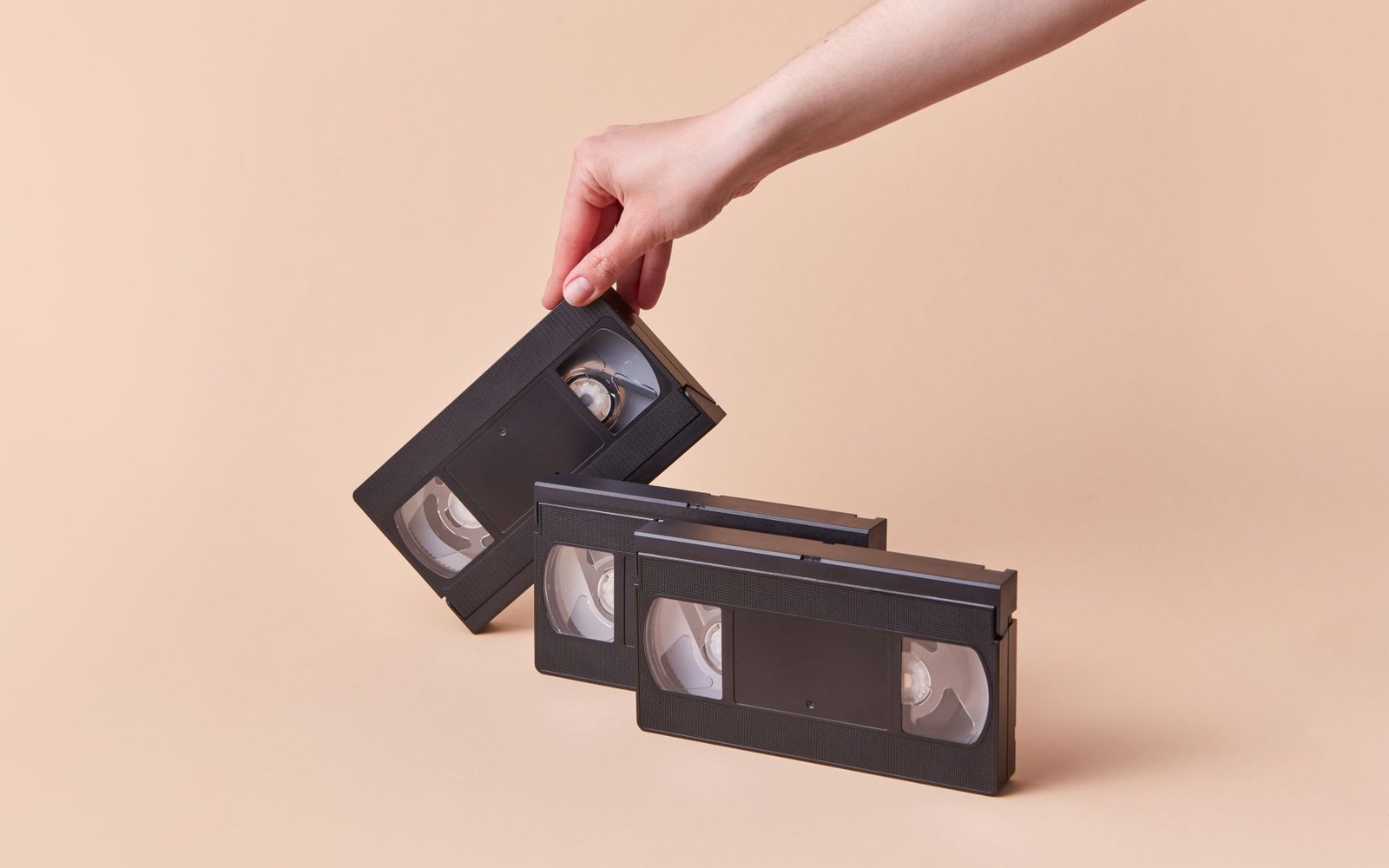
Taylor Steele shot Momentum in 1992 on consumer video, distributed it out of his car, and sold enough copies to make a second film. That sentence contains an argument about the history of surf cinema. Before Momentum, the dominant model required 16mm or 35mm film stock, laboratory processing, and a distribution apparatus that effectively limited who could produce a theatrical surf film. After it, the economics collapsed in favour of the filmmaker with a camcorder and a subject matter that hadn't appeared on screen yet.
The surfers Steele put in Momentum — Kelly Slater, Rob Machado, Shane Dorian, and a cohort of teenagers surfing in and around San Diego — were not yet names. That was the point. The video generation worked partly because proximity replaced production value: Steele could follow these surfers daily, accumulate footage cheaply, and edit at home. A 16mm production required budgeting every roll. Video required almost no such calculus.
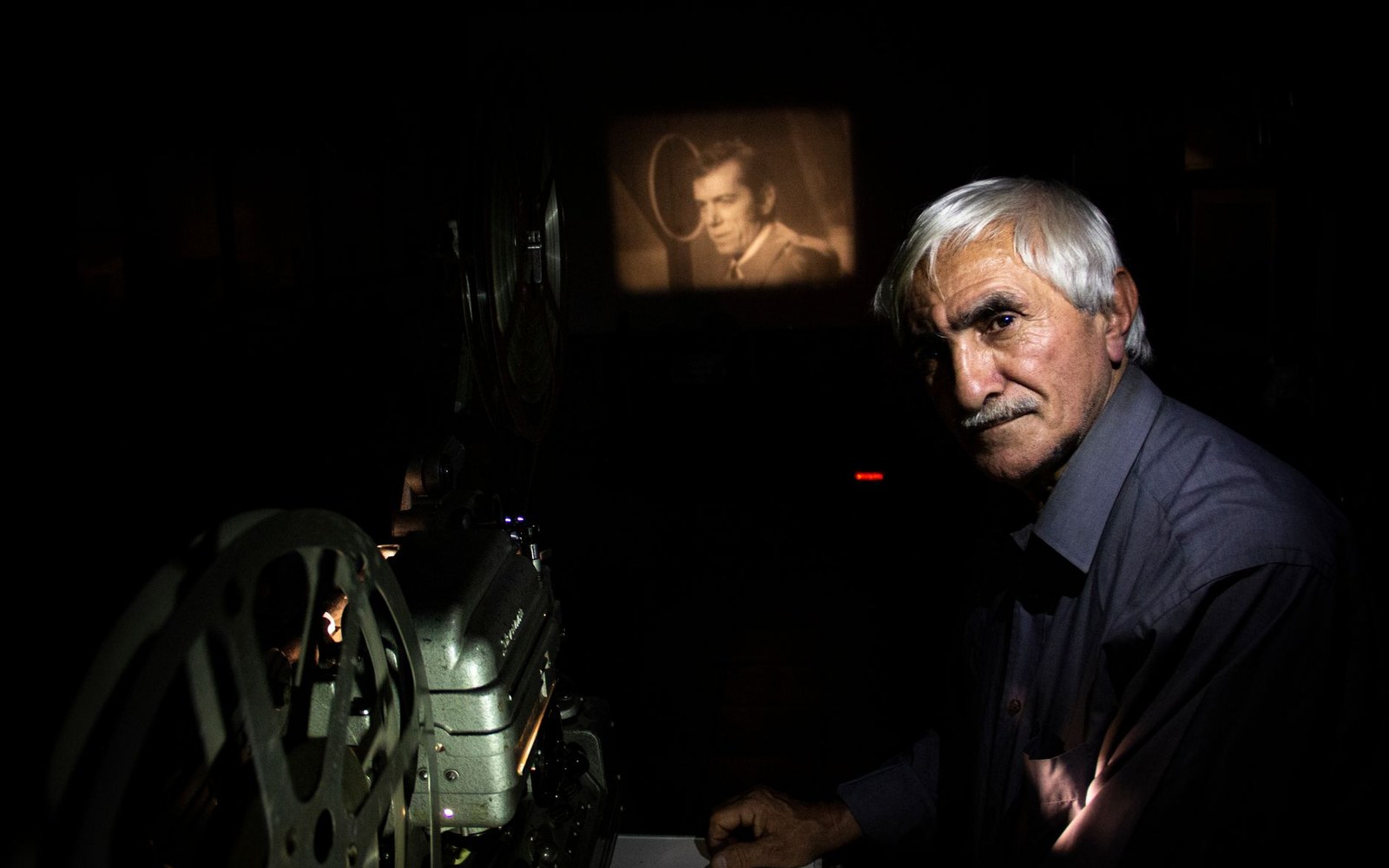
A booth, mid-reel.
Photo: Mehmet Orak / Pexels
Board design decided what a camera could catch: a shorter, looser board put manoeuvres in front of a lens that had been framed for trim.
Photo: Harold Granados / Pexels
The house, before a feature.
Photo: Tima Miroshnichenko / PexelsWhat the Format Actually Changed
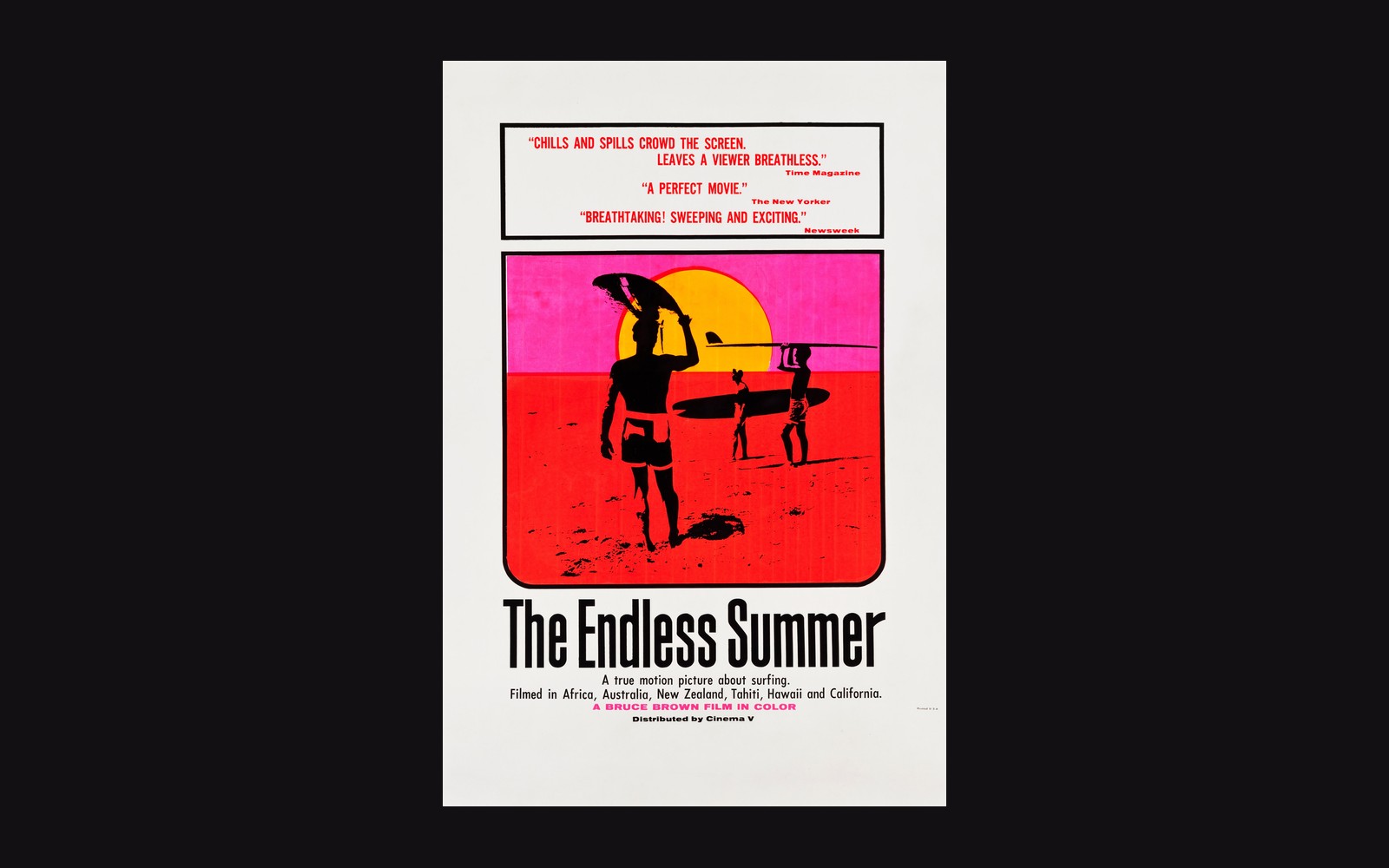
The shift to video altered surf cinematography in three directions simultaneously. First, shooting ratios expanded dramatically. Where a film production might expose a finite number of rolls over a trip, video allowed continuous recording, which meant that rarer moments — the unexpected manoeuvre, the wipeout that preceded the made wave — could be captured rather than missed while reloading. Second, the aesthetic changed. Video's lower resolution and higher contrast in bright coastal light gave Momentum a look that was, whatever its technical limitations, distinctly of its place and moment. That look became the signature of an era rather than a liability. Third, and most consequentially, self-distribution became viable at a different scale. Steele sold VHS copies directly through surf shops, cutting out any intermediary. Bruce Brown had done something structurally similar with The Endless Summer in 1966, but Brown was working in 16mm, projecting in rented halls. Steele's format reproduced itself: a tape could be dubbed, stocked, sold, and played at home. The surf shop became the cinema.
The content Steele captured was itself a product of format access. Kelly Slater was twenty years old in 1992 and had already turned professional; he would go on to win his first world championship title in 1992, the same year Momentum was shot. Steele's camera caught Slater at a moment when his surfing was already extraordinary but his image had not yet been shaped by sanctioned coverage. The documentary instinct — to be present before the subject becomes an institution — was made possible by video's cost structure.
The Argument the Film Makes Without Making It
Momentum does not argue anything in voice-over. It has no narration, no talking-head interviews positioning the surfers in history. Its argument is entirely formal: this surfing, these people, this light, this moment. The breaks around San Diego — Blacks Beach, lower reef breaks, stretches of Southern California coast — appear not as locations with labels but as texture. That textural approach, where place is felt rather than explained, became the aesthetic inheritance of the video generation Steele's film effectively founded.
What Momentum demonstrated, and what its commercial success confirmed, was that audience appetite for surf cinema was not contingent on theatrical production values. Surfers would buy a tape that looked like the water they were already familiar with, featuring surfers they were watching in person at their local break, made by someone their own age. Format had always been a cultural argument. In 1992, video won it.
Chronology
- 1966Bruce Brown distributes The Endless Summer via self-booked theatrical screenings in 16mm
- 1992Taylor Steele shoots and distributes Momentum on consumer video through surf shops
- 1992 onwardvideo becomes the dominant production format for surf films through the decade
 Bruce Brown Sold Tickets from the Back of a Van
 Morning of the Earth and the Turn Toward Something Quieter
 Girls Can't Surf and the Tour It Reconstructed