The Choice That Made the Work
By the mid-1990s, the video generation had already rewritten what a surf film was supposed to look like: fast cuts, saturated color correction, a VHS grain that read as urgency. Consumer formats had lowered the entry cost and shifted the aesthetic norm so completely that shooting on 16mm felt less like a craft decision than a provocation.
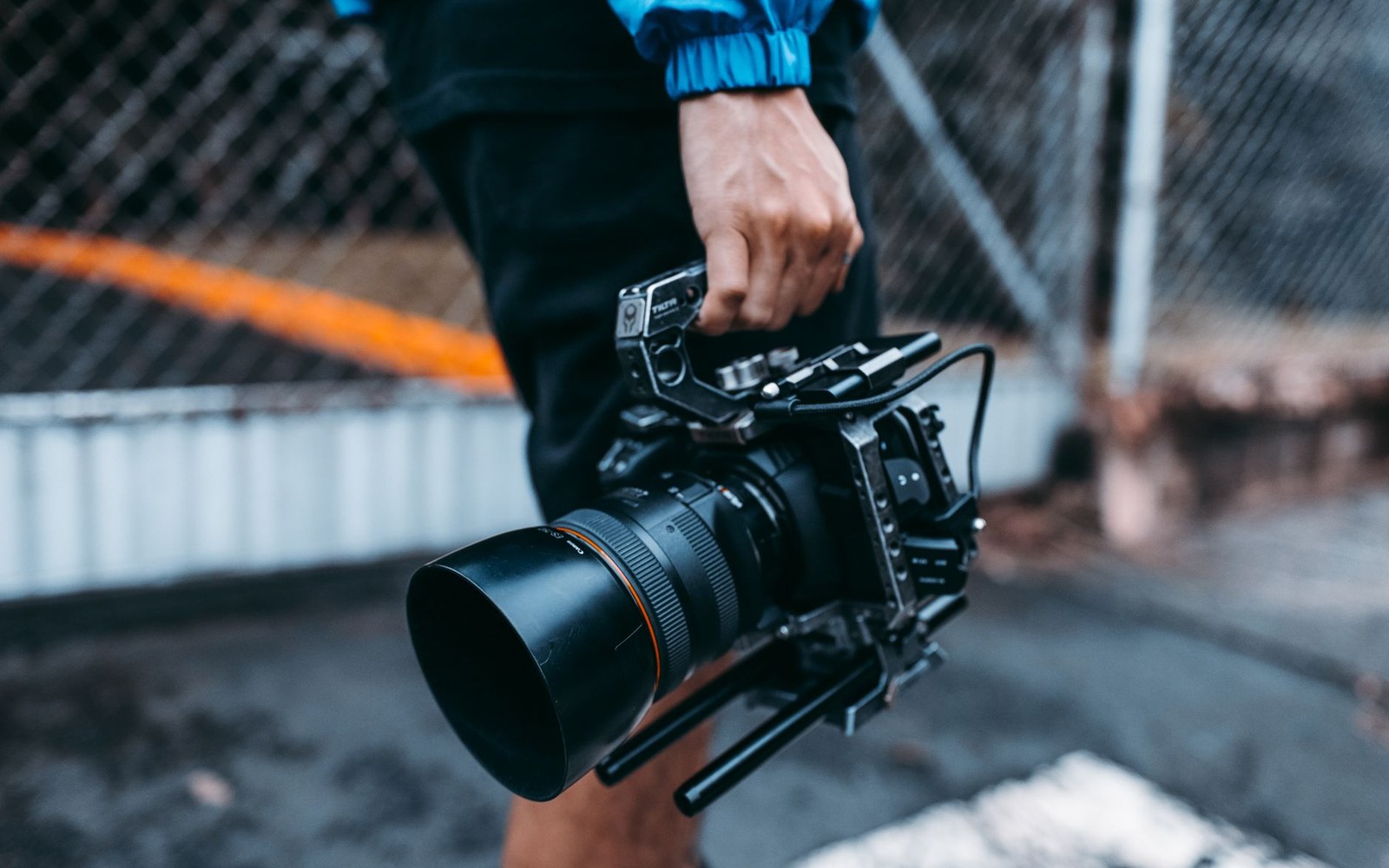
Campbell made it anyway. The Seedling (1999) and Sprout (2004) were both shot on 16mm film — the narrow-gauge photographic stock that had defined surf cinema through the 1960s and early 1970s before video displaced it. The choice was not nostalgia dressed up as artistry. Film stock imposed real constraints: limited magazine capacity, no instant playback, a cost-per-frame that forced deliberate composition. What the camera saw had to be worth the expense before the shutter opened.
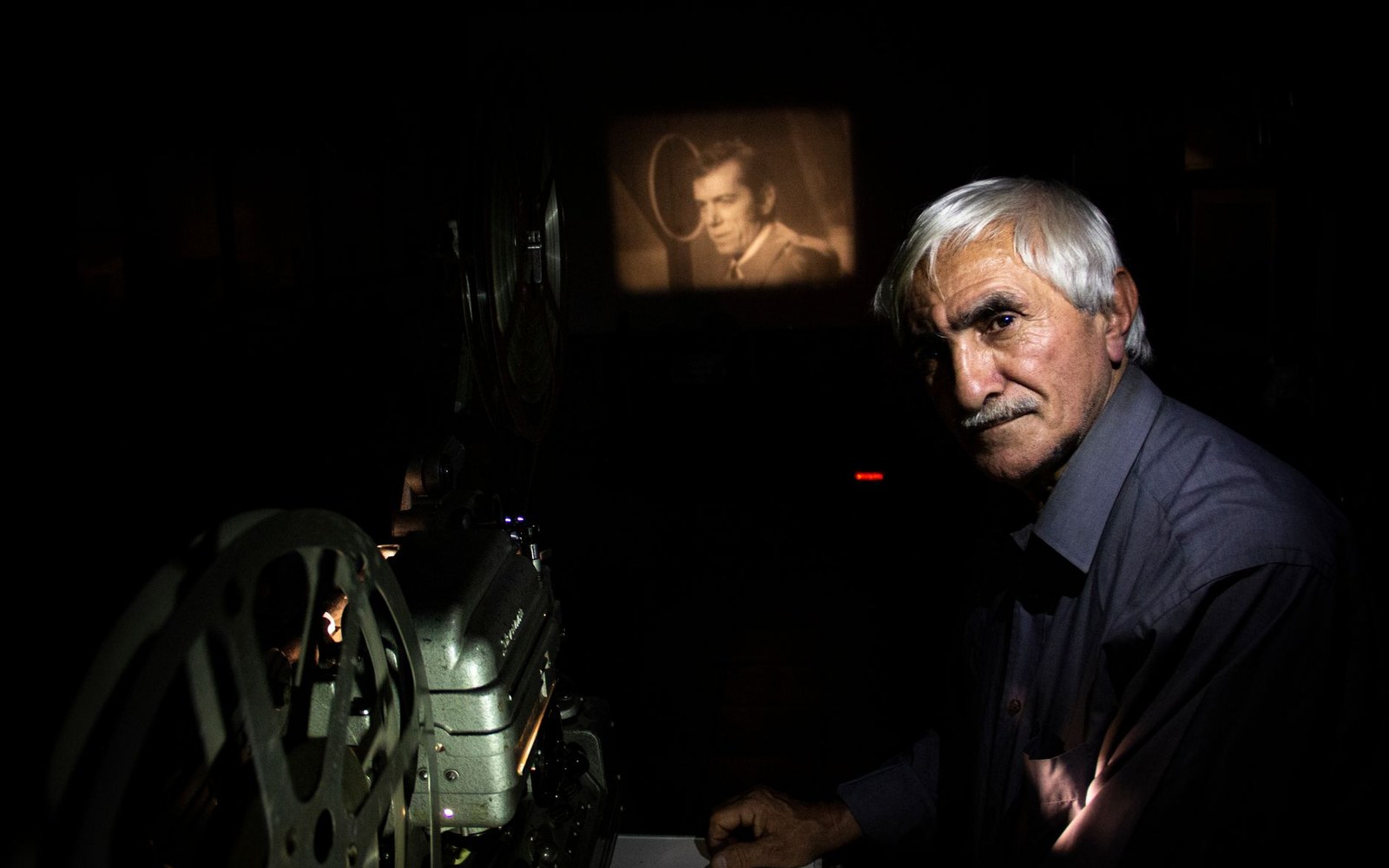
A booth, mid-reel.
Photo: Mehmet Orak / PexelsThe resulting images reflect that discipline. The Seedling moves at a tempo closer to Albert Falzon's Morning of the Earth (1972) than to anything Taylor Steele released in the same decade — unhurried, attentive to peripheral detail, comfortable with silence between sequences. Surfing appears as one activity among many rather than the sole point of spectacle. The riders Campbell documented, including figures from the longboard and alternative-shape revival then gathering momentum in California, suited that register precisely.
Sprout extended the approach. Released in 2004, the same year Stacy Peralta's Riding Giants reached mainstream theatrical audiences, it occupied almost no overlapping cultural territory with that film. Where Riding Giants deployed archival research and dramatic narration to argue for big-wave surfing's historical significance, Sprout offered footage taken with the same unhurried formal patience as its predecessor — craft against spectacle, texture against resolution.
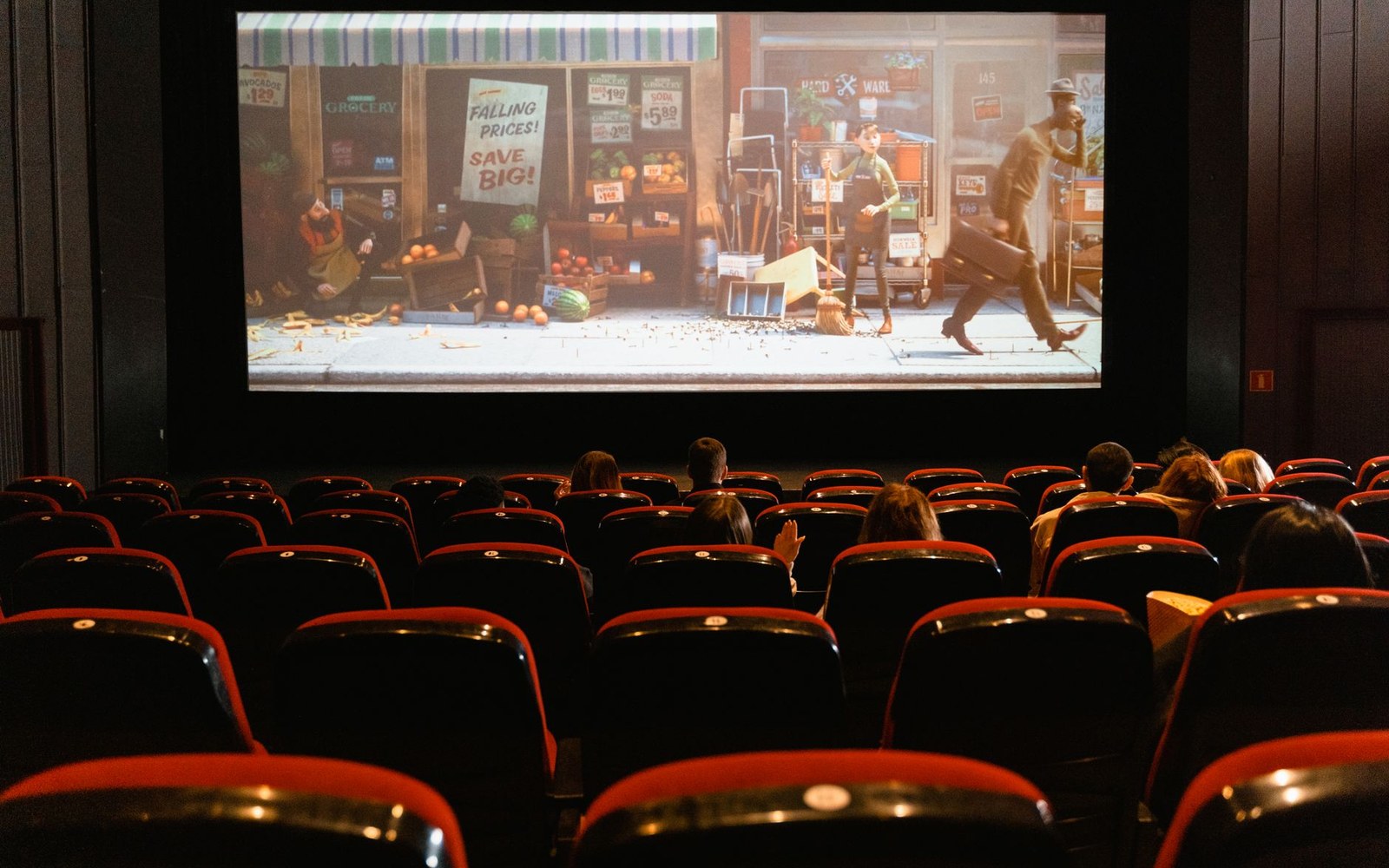
The circuit's basic unit: a room somebody already owns, a print or a file, and an audience that sat down on purpose rather than scrolled past it.
Photo: Tima Miroshnichenko / PexelsThe commercial model matched the aesthetic. Campbell worked outside studio or brand-commission structures, distributing both films through channels that prioritized the existing surf-art community over mass market penetration. The films found their audience without urgency.
What makes Campbell's filmography coherent as a body of work is precisely the consistency of the refusal. The video mainstream offered speed, convenience and a ready market. He declined it not once, as experiment, but across a career — treating deliberate anachronism as the only intellectually honest position available to a filmmaker who believed the medium itself was the argument.
Chronology
- 1992Taylor Steele's Momentum defines video-generation aesthetics
- 1999The Seedling released; Campbell shoots on 16mm against the format mainstream
- 2004Sprout released; same format discipline extended
 Bruce Brown Sold Tickets from the Back of a Van
 Morning of the Earth and the Turn Toward Something Quieter
 Momentum, 1992: The Year the Genre Went to Video