How a Surf Film Reached the Mainstream Without a Studio
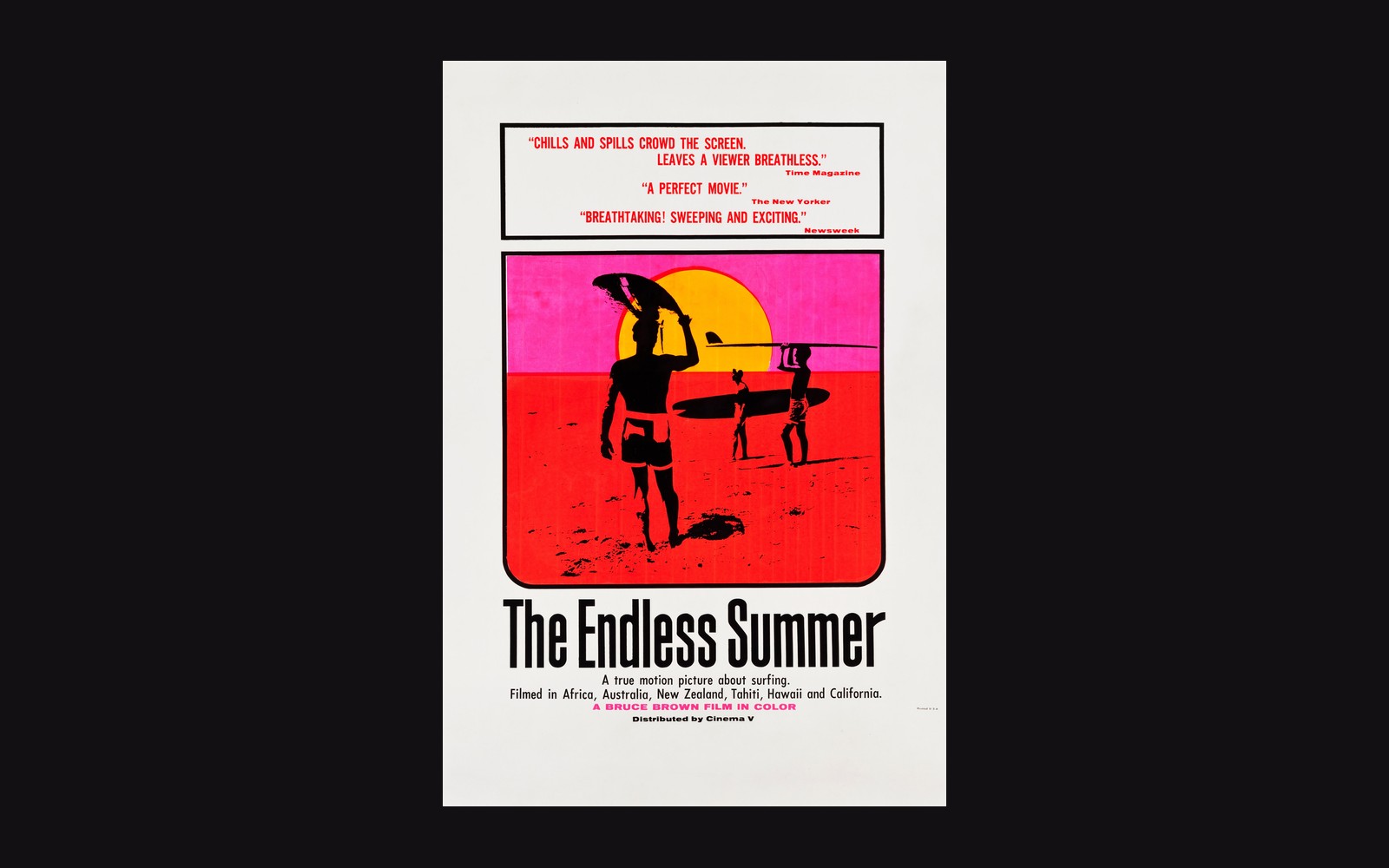
Bruce Brown shot The Endless Summer in 1964, following amateur surfers Robert August and Mike Hynson around the world in search of the perfect wave. The film was completed and narrated by Brown himself in a loose, conversational style that owed nothing to documentary convention — no formal interview structure, no institutional voiceover, just a man who surfed talking to an audience he assumed surfed too. That assumption turned out to be both commercially astute and strategically important, because it defined the release model Brown chose before any distributor had the chance to choose one for him.
Rather than approach a studio or independent distributor, Brown premiered the film himself. He began in 1964 with screenings in surf towns — and also in Wichita, Kansas, famously a landlocked market he picked precisely to test whether the film could cross cultural lines. It could. Brown rented civic auditoriums and school gymnasiums, printed his own promotional materials, and in some accounts drove the print to the venue himself. The phrase "back of a van" is not strictly documented in exhibition records, but it captures something true about the method: this was self-distribution in its most literal form, with Brown functioning simultaneously as filmmaker, publicist, booking agent, and projectionist.
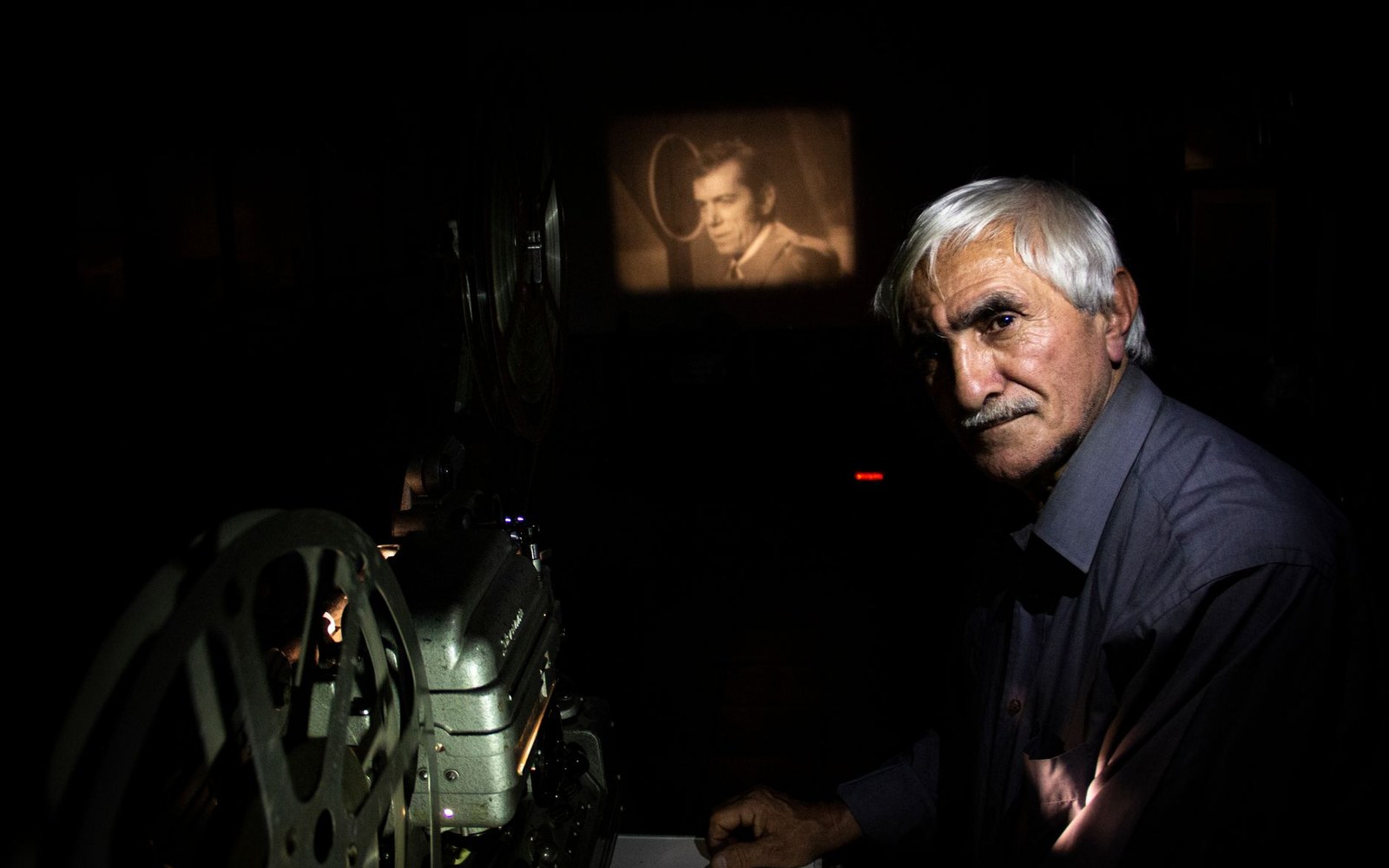
A booth, mid-reel.
Photo: Mehmet Orak / PexelsThe self-distribution model Brown used was not invented for surf film, but he refined it for a specific subculture and proved it could scale. Surf audiences in the early 1960s were accustomed to itinerant filmmakers — Bud Browne had been touring surf films since the early 1950s, projecting his own footage in high school gyms along the California coast and charging admission at the door. What Brown added was production ambition and a willingness to take the format inland. The Wichita test screening reportedly sold out, a result Brown used as proof of concept when he later approached distributors.
The Commercial Pivot and What It Proved
After two years of self-distributed screenings that had generated a genuine audience and, by Brown's own account, paid for themselves many times over, the film attracted the attention of Cinema 5, a New York-based art-house distributor. Cinema 5 opened The Endless Summer in New York in the summer of 1966 with conventional theatrical marketing, and the film crossed into mainstream American culture almost immediately. It ran for months in Manhattan, was reviewed seriously by the national press, and entered wide release through Cinema 5's own distribution.
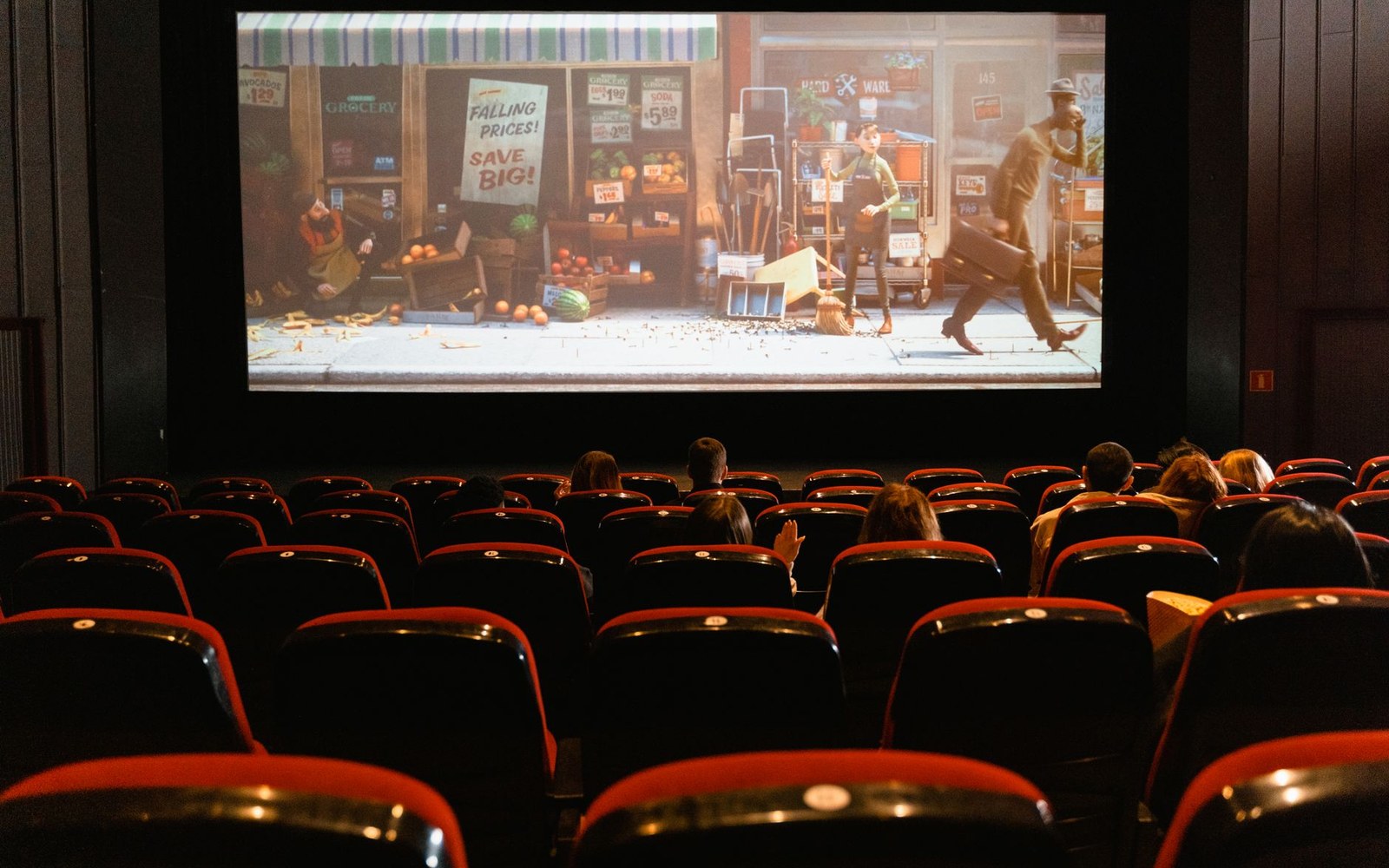
The circuit's basic unit: a room somebody already owns, a print or a file, and an audience that sat down on purpose rather than scrolled past it.
Photo: Tima Miroshnichenko / PexelsThe numbers that followed were remarkable for an independently produced documentary of that era. Made on a budget that Brown placed at around fifty thousand dollars, the film returned millions in theatrical receipts — figures that studios took seriously, and that established surf documentary as a commercially viable genre rather than a subculture novelty. The critical response was equally unexpected: reviewers who had never stood near a surfboard treated the film as a genuine travel documentary with wit and visual intelligence, which it was.
What Cinema 5 was licensing, though, was a film that had already found and proven its audience. Brown had not arrived at their door with an unknown quantity. The two-year self-distribution circuit had functioned as a prototype distribution run, identifying markets, building word-of-mouth, and generating the kind of grassroots credibility that advertising cannot manufacture. This is the model that would later be studied, consciously or not, by the next generation of surf filmmakers — and that would eventually become standard practice in independent documentary distribution long after surf cinema had moved on.

Foam dust, in a shaft of light.
Photo: Harold Granados / PexelsThe Lineage That Followed
The influence of Brown's approach runs directly into the video generation of the 1990s, though the medium changed completely. Taylor Steele's Momentum (1992) was sold out of surf shops — VHS copies moved through retail channels that had no relationship with theatrical distribution, reaching a young audience that would never have encountered the film in a cinema. The mechanism was different but the instinct was identical: find the community first, let the community build the market, avoid gatekeepers until the market is already proven.
Stacy Peralta, who made Riding Giants in 2004, came from the skateboarding documentary tradition but understood the surf film economy precisely because it had operated outside mainstream structures for so long. Riding Giants premiered at Sundance — a step toward institutional legitimacy that Brown's own path eventually represented — but Peralta's understanding of subcultural audience loyalty owed something to the model Brown had demonstrated four decades earlier.
The self-distribution principle also shaped how surf films engaged with equipment and geography. Brown shot The Endless Summer largely on 16mm film, a format that was portable, affordable, and could be handled by a small crew. His water footage, by the standards of what Chris Bryan or Jack McCoy would later achieve with dedicated water housings and high-speed cinematography, was modest — but it was sufficient, and it was obtainable without a studio infrastructure. The optical port and the water housing were not yet the specialized instruments they would become; Brown and his contemporaries worked with adapted housings and a great deal of improvisation. That improvisation was only possible because no studio was watching the dailies.
Brown returned to the format he understood in The Endless Summer II (1994), again producing and distributing the film independently before a New Line Cinema theatrical release — a deliberate echo of the original's trajectory. The sequel was directed by Brown and featured Pat O'Connell and Robert "Wingnut" Weaver retracing a version of the original's global route. It performed solidly, if not at the cultural scale of the 1966 film, and confirmed that Brown's name and method retained commercial weight three decades on.
The legacy is not merely historical. The pattern Brown established — make the film, find the audience, prove the market, then negotiate from strength — remains the operating logic of surf documentary to a degree unusual in any other non-fiction genre. Festivals including the San Diego Surf Film Festival, the Byron Bay Surf Festival, and the London Surf Film Festival now function as the first stop on a circuit that Brown assembled by hand, driving prints across America and renting whatever room would have him. The van, real or metaphorical, is still the vehicle.
 Morning of the Earth and the Turn Toward Something Quieter
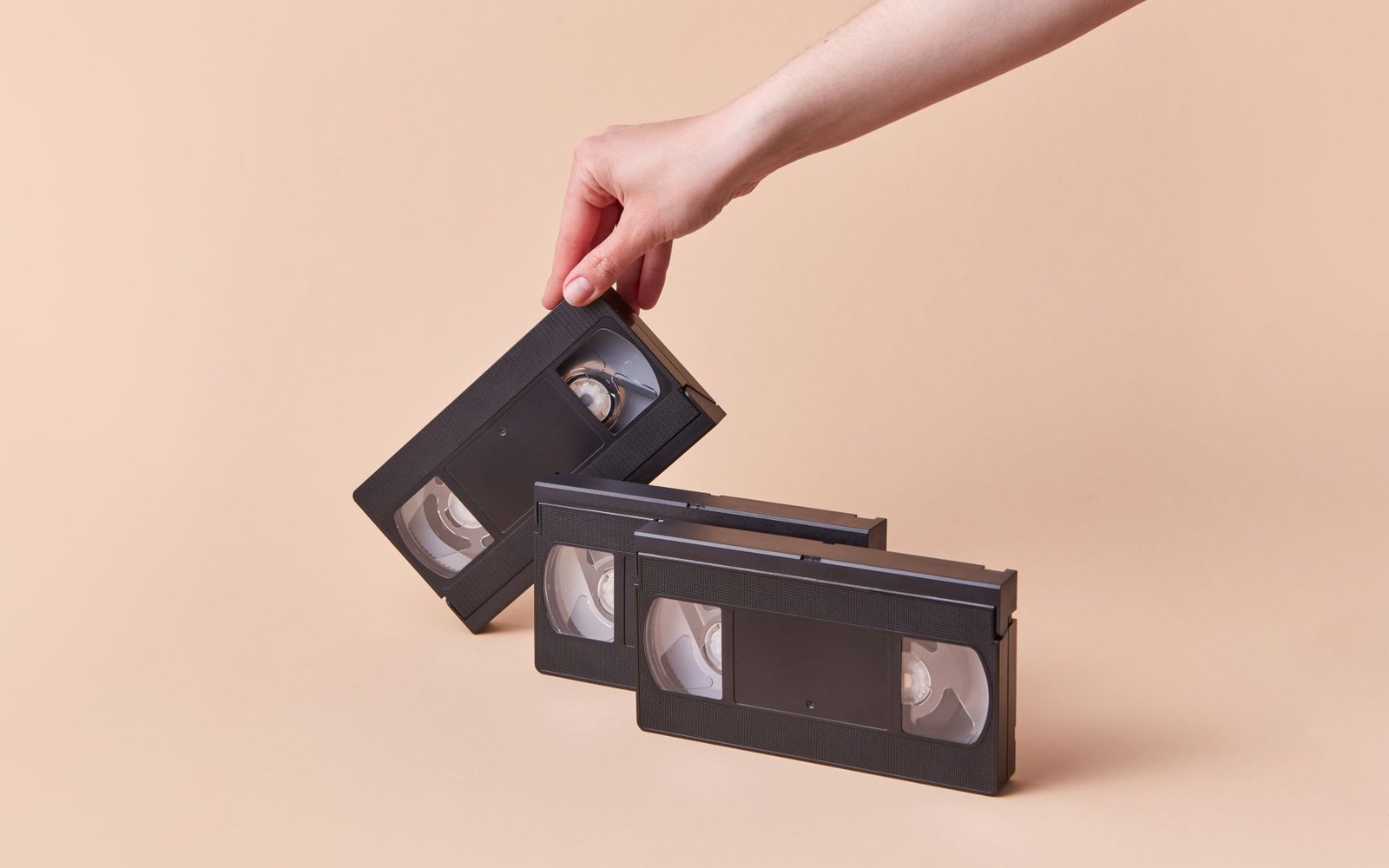 Momentum, 1992: The Year the Genre Went to Video
 Girls Can't Surf and the Tour It Reconstructed