
From Shorts to Features: The Arc of the Programme
The San Diego Surf Film Festival has operated long enough to function as a reliable register of how the genre has changed. Early editions leaned heavily on short-form work — the three-to-ten-minute travel edit, the single-session highlight, the sponsor-funded clip elevated slightly above its commercial origins. This was not unusual. Through the late 1990s and into the early 2000s, the surf film circuit internationally programmed shorts by necessity as much as by taste, because the genre had not yet produced a reliable supply of features capable of holding a cinema audience for ninety minutes. The festival, working within that constraint, built its early identity on breadth: many films, many places, many shapers of tone.
What the programmes from later editions show is a measurable shift. Features began claiming more of each evening's running time, and the short form, rather than disappearing, was repositioned — shown in blocks, or as openers for the main attraction, rather than as the attraction itself. This mirrors a pattern visible at the Byron Bay Surf Festival and the London and New York equivalents: the maturation of the festival circuit tracked almost exactly with the maturation of the documentary form inside surf cinema.
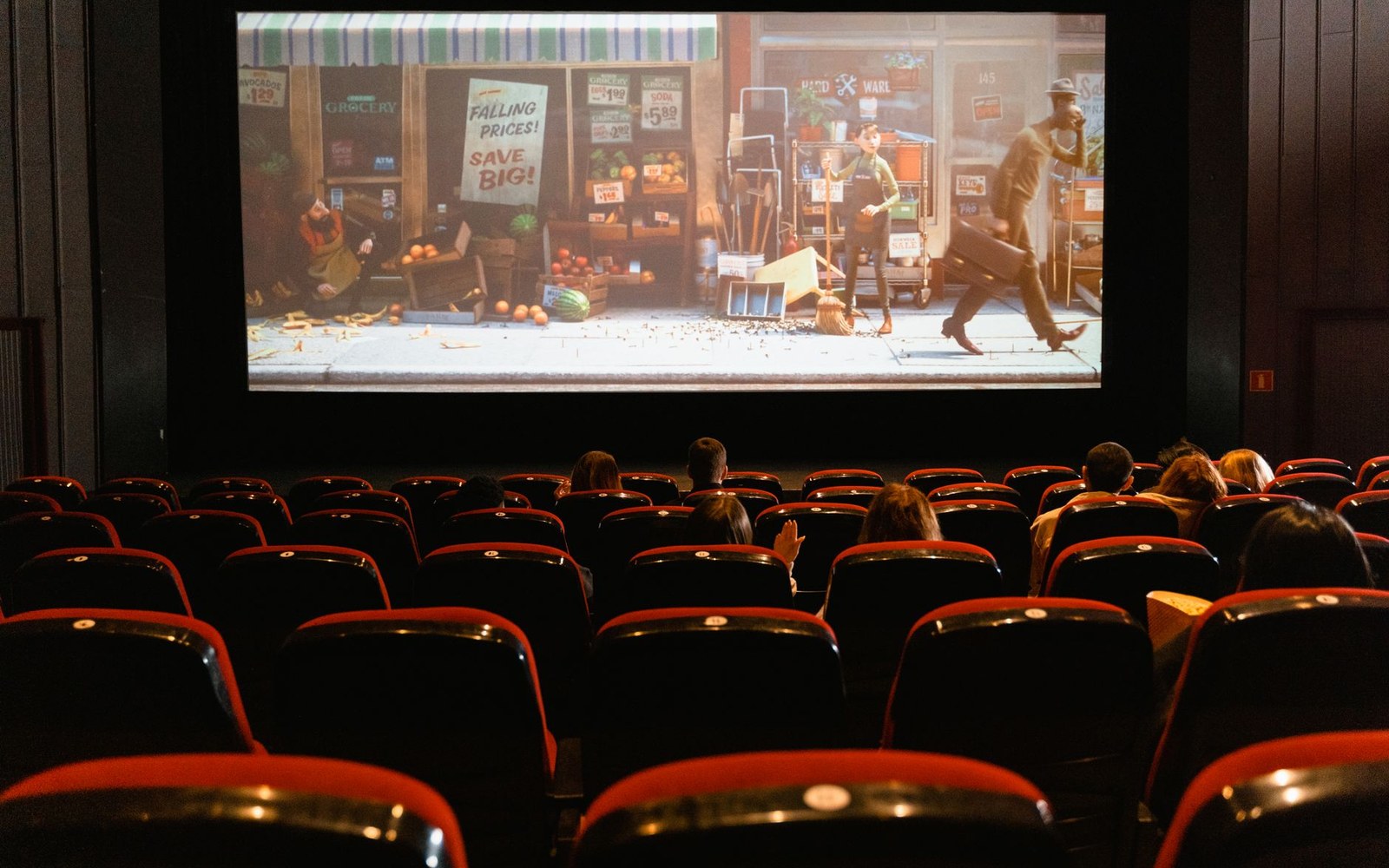
The house, before a feature.
Photo: Tima Miroshnichenko / PexelsTitles That Have Appeared
Several films that have become fixed reference points for the genre passed through the San Diego programme. Taylor Steele's work from the video generation appeared early and often — not always as a full theatrical screening, but as representative short material that established the aesthetic ground the festival was operating on. Steele's influence on what a surf film looked and sounded like from the early 1990s onward was pervasive enough that any festival programming surf cinema in that era was, in some sense, programming in dialogue with Momentum (1992) whether or not the film itself was on the slate.
Stacy Peralta's Riding Giants (2004) appeared in festival programming in a form that demonstrated what the feature documentary could do for big-wave surfing history — constructing a lineage running from Greg Noll at Makaha through Jeff Clark's years of solo sessions at Mavericks to Laird Hamilton's tow-in work at Teahupo'o, Tahiti. The film's structural argument — that big-wave surfing constituted a distinct tradition with its own heroes and a compressible narrative — gave subsequent programmers a template for how to present the genre to a non-specialist cinema audience.
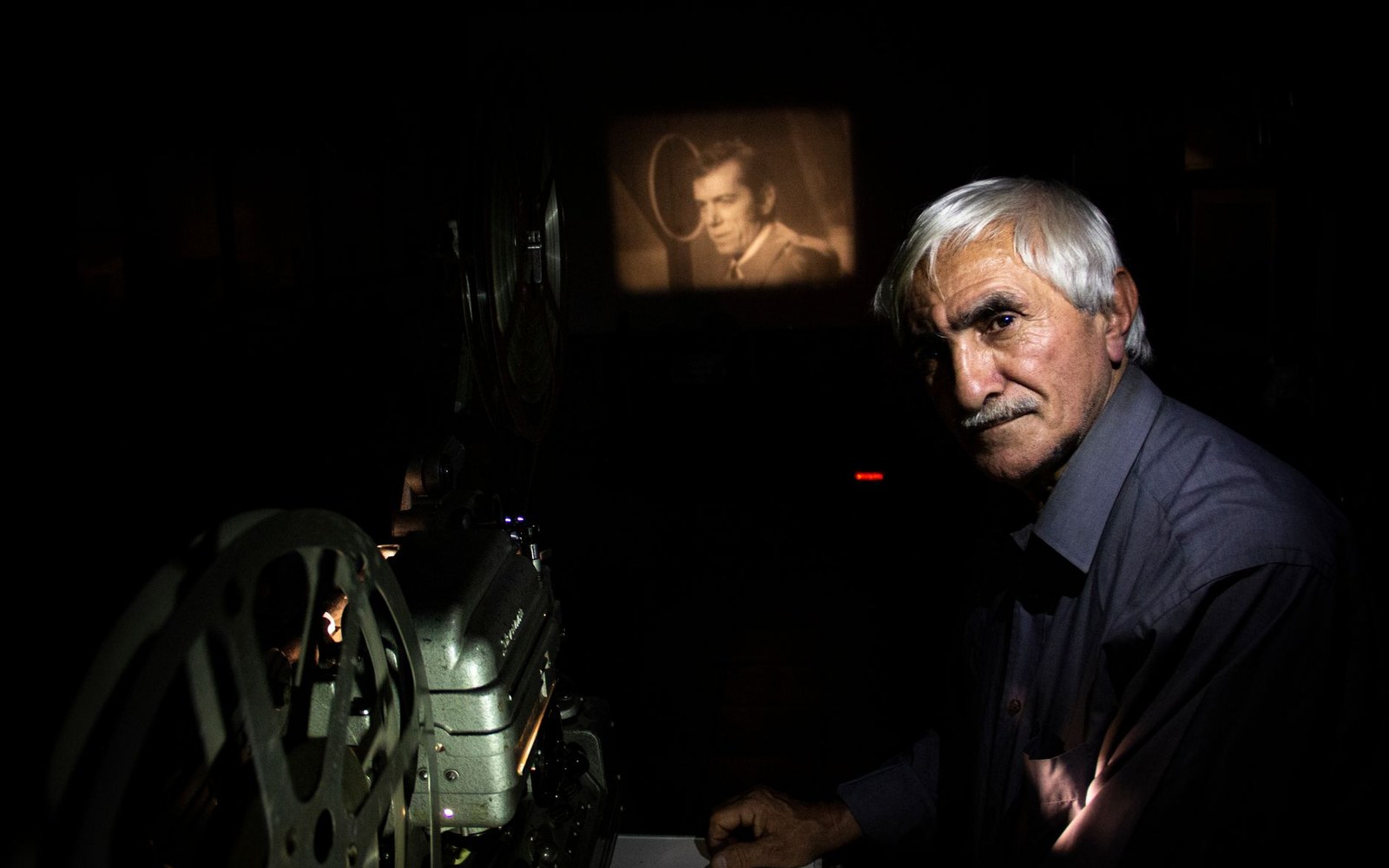
Projection is the part of the chain no streaming window reproduces — a fixed start time, one screen, and no way to pause it.
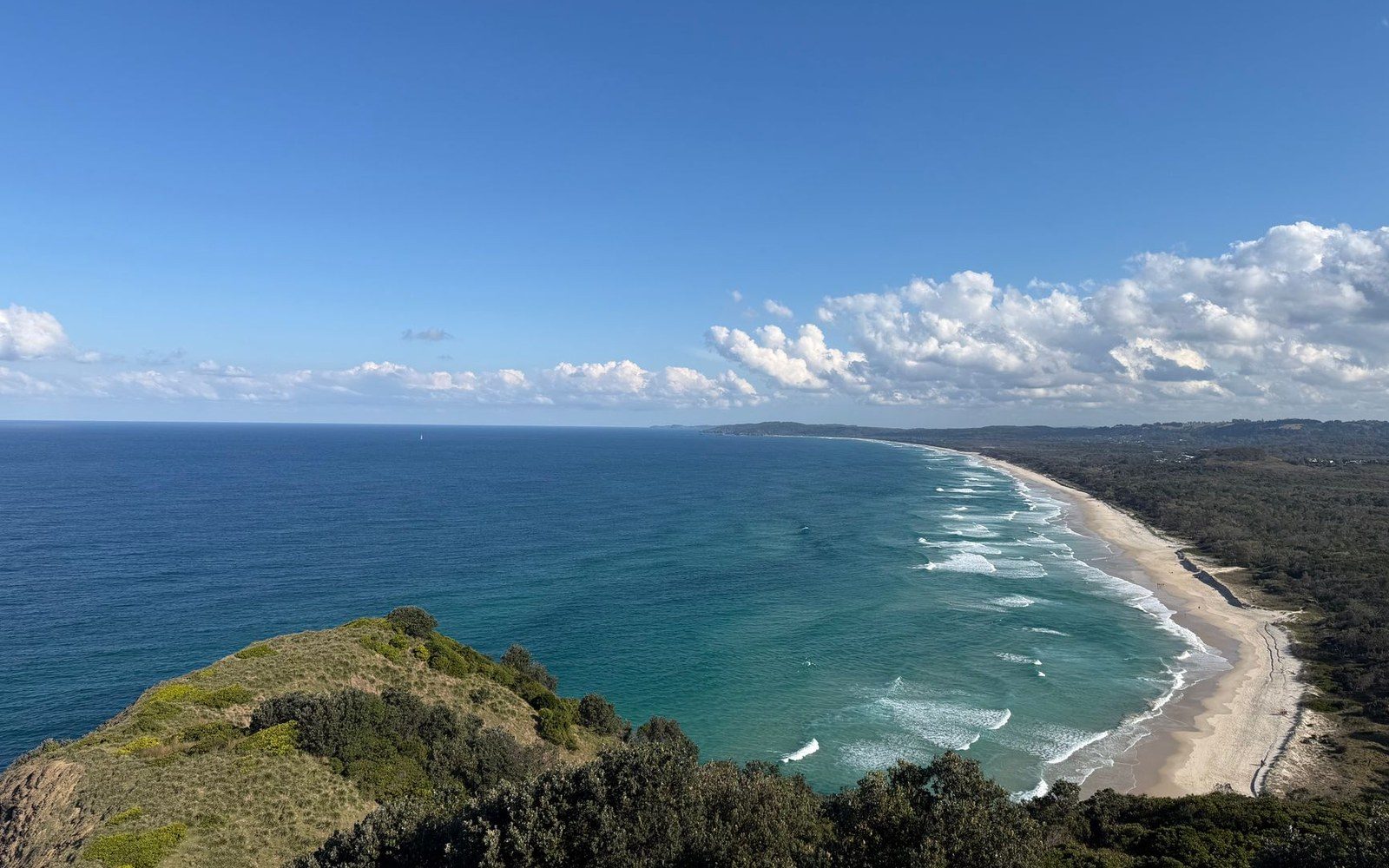
Photo: Mehmet Orak / PexelsAlbert Falzon's Morning of the Earth (1971), a film that positioned surf cinema explicitly against competitive spectacle and toward a slower, landscape-centred aesthetic, has appeared in retrospective programming at San Diego in a context that reads it against the video generation's speed and noise. The juxtaposition is instructive. Morning of the Earth was made on 16mm in Byron Bay, New South Wales and the surrounding coastline, and its reappearance on a contemporary festival programme measures exactly how far the genre has travelled — and how persistently certain filmmakers have tried to return to Falzon's register.
Christopher Nelius's Girls Can't Surf (2021) represents the most recent category of film the festival has absorbed: the long-form documentary built explicitly around archival recovery and historical argument. The film reconstructs the women's professional tour of the 1980s through the careers of Frieda Zamba, Layne Beachley, Lisa Andersen and others, drawing on footage and interviews that had not been assembled in this form before. Its presence in the programme signalled that the festival was willing to give substantial screen time to historical reconsideration, not only to new surf footage. The World Surf League adopted equal prize money for its Championship Tour in 2019, a policy change that lent additional context to screenings of films about the decades when that parity was absent.
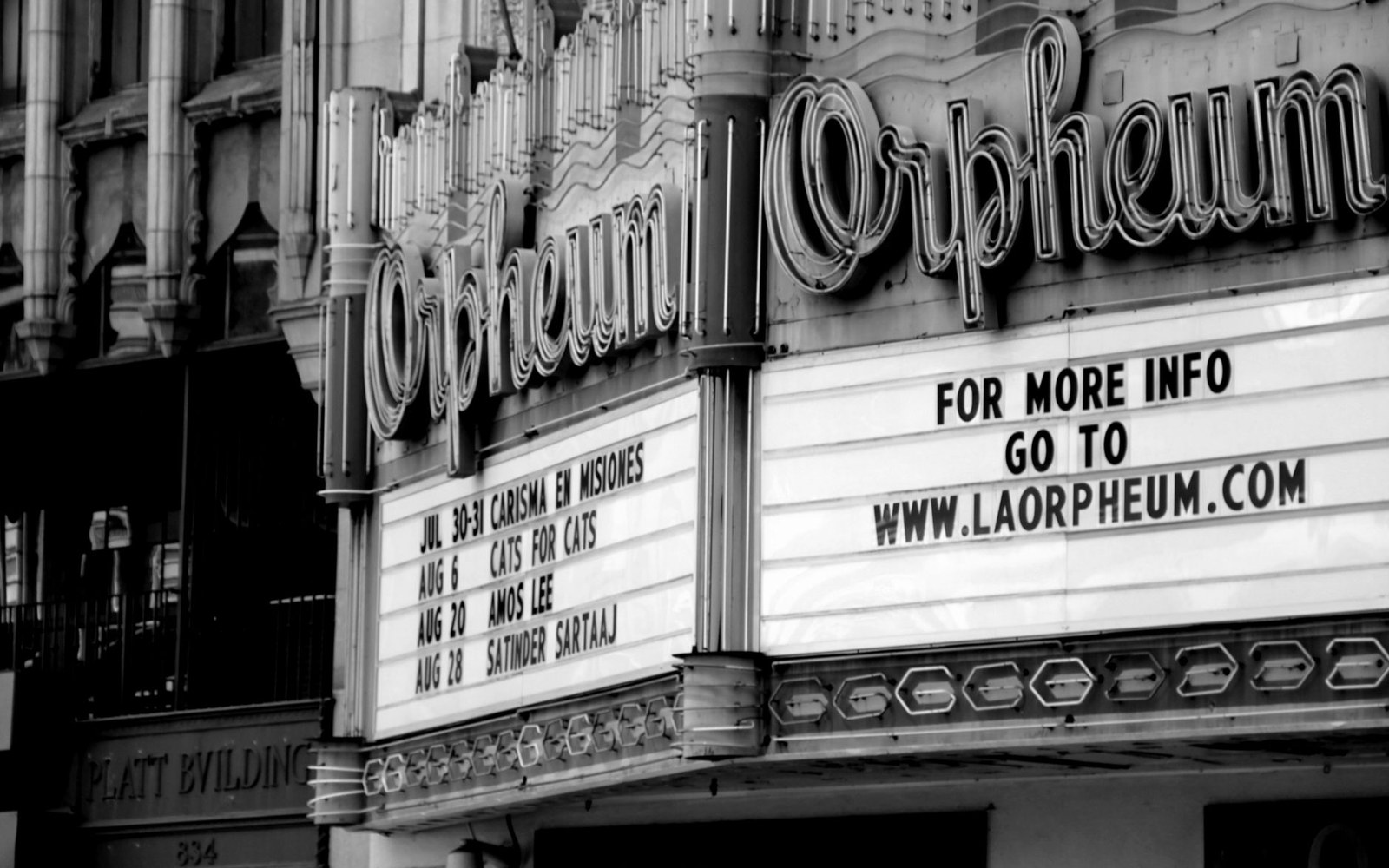
A title in letters, over the street.
Photo: Dalila Dalprat / PexelsThomas Campbell's work occupies a specific position in the programme history. His decision to shoot on 16mm film — a deliberate resistance to the video formats that had dominated the genre since the early 1990s — produced images whose grain and colour palette read immediately differently on a cinema screen. The Seedling and Sprout have both appeared in San Diego programming, and their reception illustrated something the programme reveals when read sequentially: audiences at a surf film festival are not a homogeneous group. There is a constituency for slow-cinema surf film made on analogue stock, and a different constituency for the kinetic, bass-heavy edit that the video generation established as the dominant mode.
The Short Film and What It Did
Short-form programming at San Diego has not simply been a queue of sponsored content waiting for the feature. Several significant short works have screened there that repay attention on their own terms. Chris Bryan's high-speed water cinematography — shooting at frame rates of up to 1,500 frames per second with Phantom camera systems — produces images that have appeared in festival short programmes and functioned as demonstrations of what the cinematographer's craft, rather than the wave itself, can make visible. A barrel at 1,500 fps is not a faster barrel; it is a different object entirely, and the short form, which carries no obligation to narrative structure, is an appropriate container for pure cinematographic argument.
Jack McCoy's work, which introduced the jet-ski as a mobile camera platform capable of reaching open-ocean swells far beyond the range of a positioned water cinematographer, has also appeared in short programming. The method he developed changed what the festival's audience understood to be coverable — Pipeline, Oahu in heavy winter swell, or Teahupo'o at size, became cinematically accessible in ways they had not been when the only platform was a swimmer with a water housing and the breath-hold capacity to position themselves inside the break.
The drone arrived in the programme after the FAA's Part 107 framework took effect in August 2016. The regulatory clarity that Part 107 provided to commercial aerial cinematography — defining licensing requirements for small unmanned aircraft operations — was followed quickly by a wave of drone footage in surf film submissions. San Diego's short programme began showing aerial perspectives that had previously required a helicopter, and the aesthetic consequence was visible: longer, wider establishing shots over reef breaks along the San Diego coastline, including Cardiff Reef and Swami's in Encinitas, and the San Onofre-area stretch that includes Trestles.
Films and their festival function
| Riding Giants (2004, Stacy Peralta) | demonstrated the feature documentary's capacity for big-wave historical narrative |
|---|---|
| Morning of the Earth (1971, Albert Falzon) | retrospective programming, read against video-generation speed |
| Girls Can't Surf (2021, Christopher Nelius) | historical reconsideration, women's professional tour reconstruction |
| Thomas Campbell's The Seedling / Sprout | 16mm aesthetic as counterpoint to video-format norm |
The Surfrider Foundation, which has maintained an active campaign around Lower Trestles since its founding in 1984 and continues to monitor water quality along the San Diego coast including the effects of the Tijuana River outflow, has been documented in short-form work that has appeared in the festival programme. These films occupy a different register from travel edits or competition coverage — closer to environmental advocacy than cinema — but their presence marks the festival as one willing to use the screen for argument as well as spectacle.
Read consecutively, the San Diego Surf Film Festival's programming record is a documentary history of the genre itself: the video break in the early 1990s, the rise of the feature in the 2000s, the recovery of women's surfing history, the arrival of drone cinematography, the persistence of analogue holdouts. The programme did not shape those shifts, but it recorded them accurately, and that record is now its most durable contribution.
Equipment visible in the programme
| Water housings and fisheye lenses | early and sustained presence in short-form cinematography |
|---|---|
| Jet-ski camera platforms (Jack McCoy method) | opened access to open-ocean swell |
| Phantom camera systems (Chris Bryan) | high-speed water cinematography, up to 1,500 fps |
| Drone / Part 107 era | aerial footage mainstream in submissions post-August 2016 |
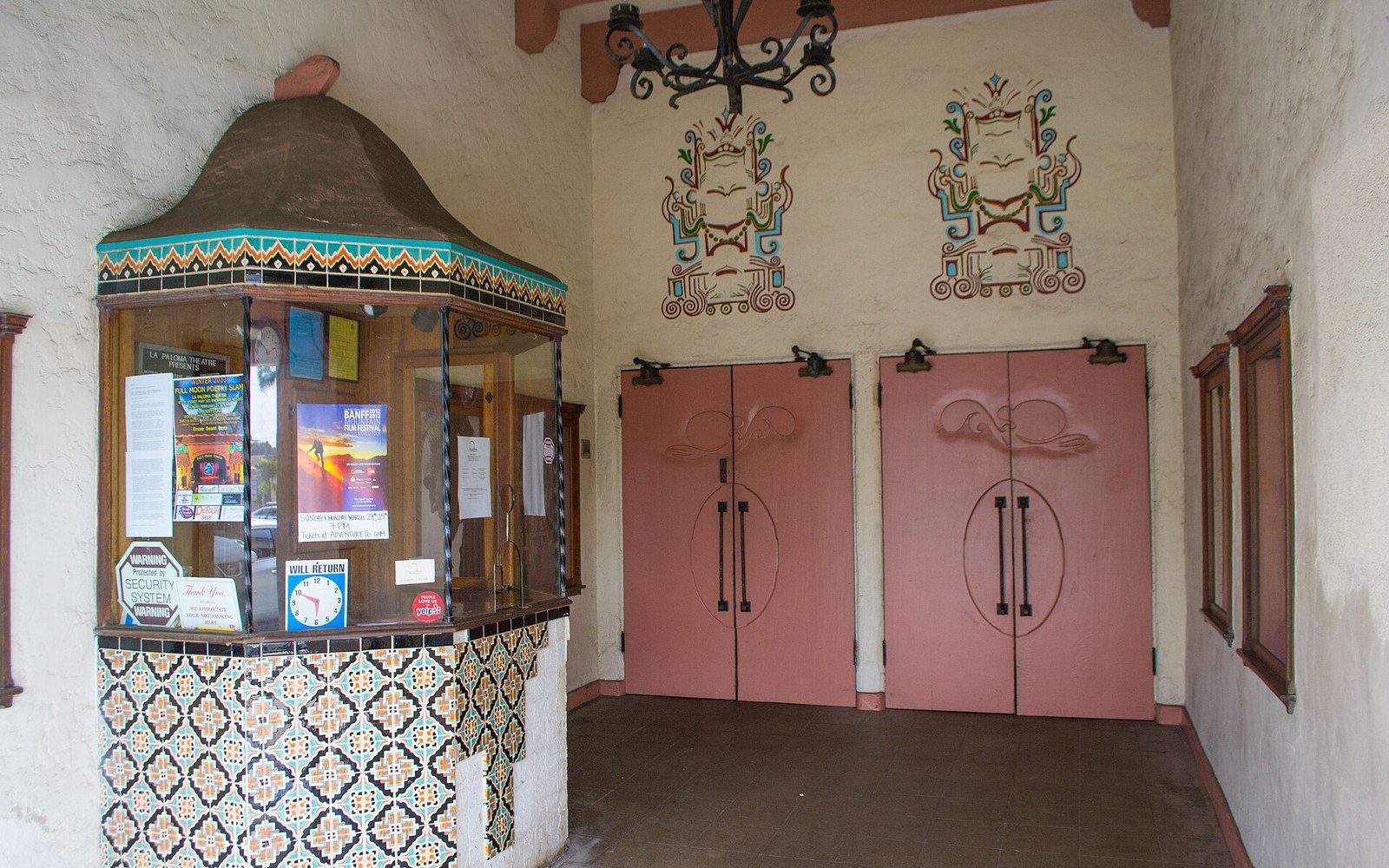 La Paloma, 1928: The Room Surf Cinema Came Home To
 Byron Bay: Where the Circuit Goes Australian
 London's Surf Film Festival and the Crowd That Fills It