A Different Room, A Different Season
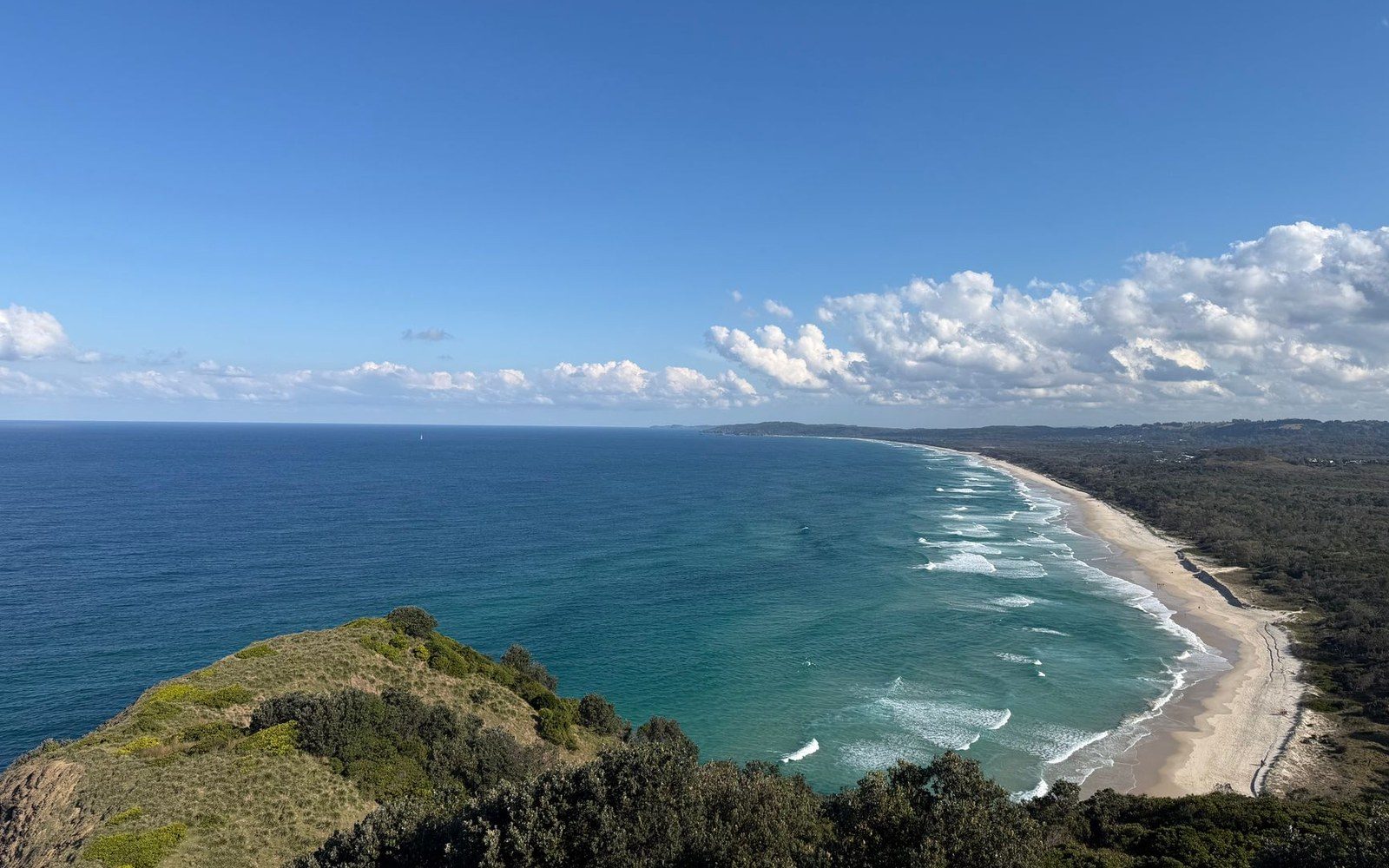
The Byron Bay Surf Festival occupies a distinct position on the calendar of events that includes the London Surf Film Festival, the New York Surf Film Festival, and San Diego's own screenings. Where the northern-hemisphere stops tend to cluster in autumn, Byron Bay runs in the southern winter — June through August — when the swells arriving from deep Southern Ocean storms are at their most consistent and the point breaks around the Cape Byron headland are producing the kind of footage that surf cinema has always chased.
The town itself is inseparable from the genre's history. Albert Falzon filmed portions of Morning of the Earth (1971) in and around the Byron Bay region, establishing a visual grammar — unhurried, wide-angle, light-drenched — that the area's landscape seemed almost designed to produce. That film's aesthetic afterlife runs long, and Byron Bay's reputation as a site of surf culture rather than surf competition has shaped what the festival programs. The emphasis leans toward the meditative and the independent, toward films that would fit the tradition Falzon established, rather than toward WSL Championship Tour documentation.
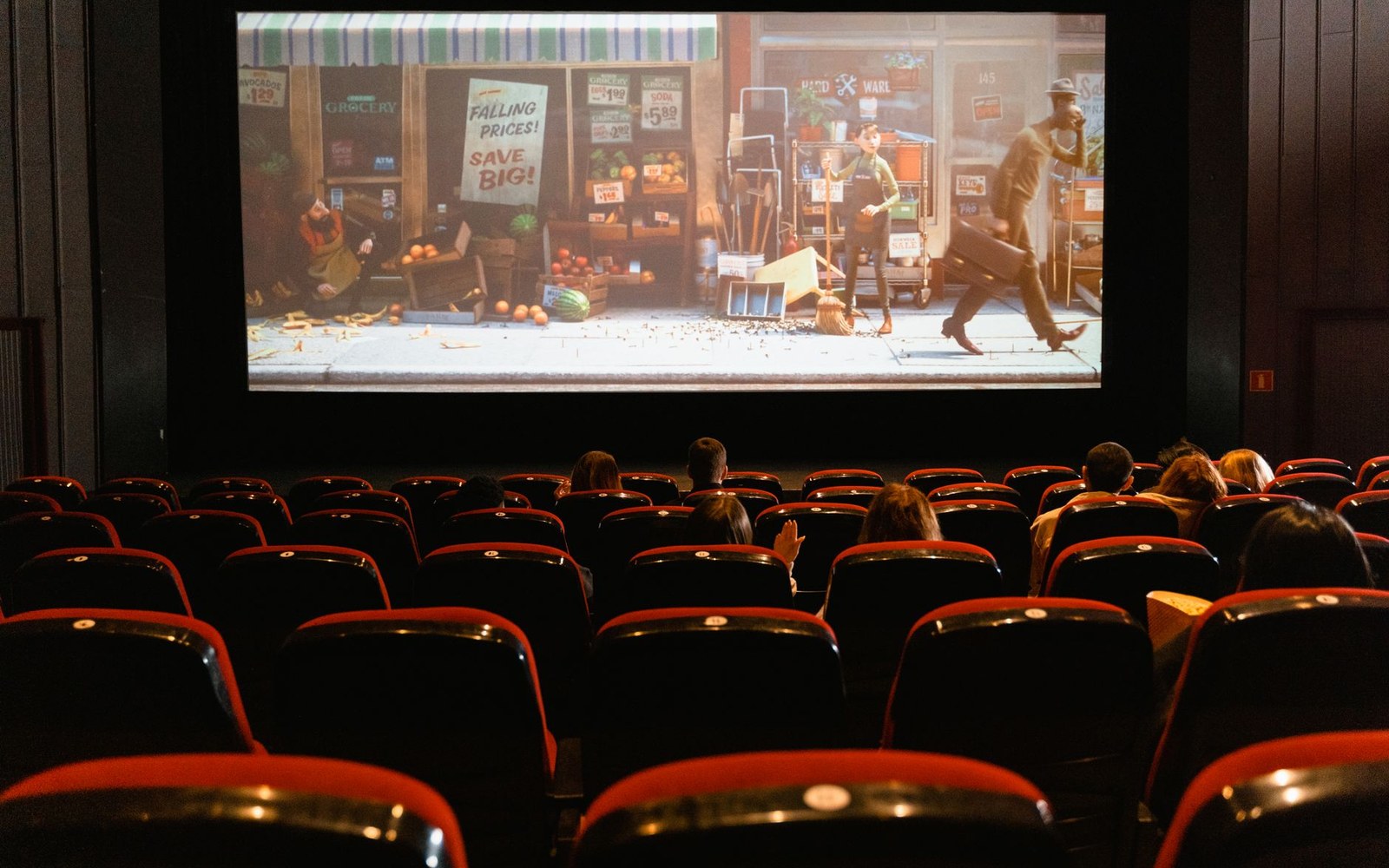
The house, before a feature.
Photo: Tima Miroshnichenko / Pexels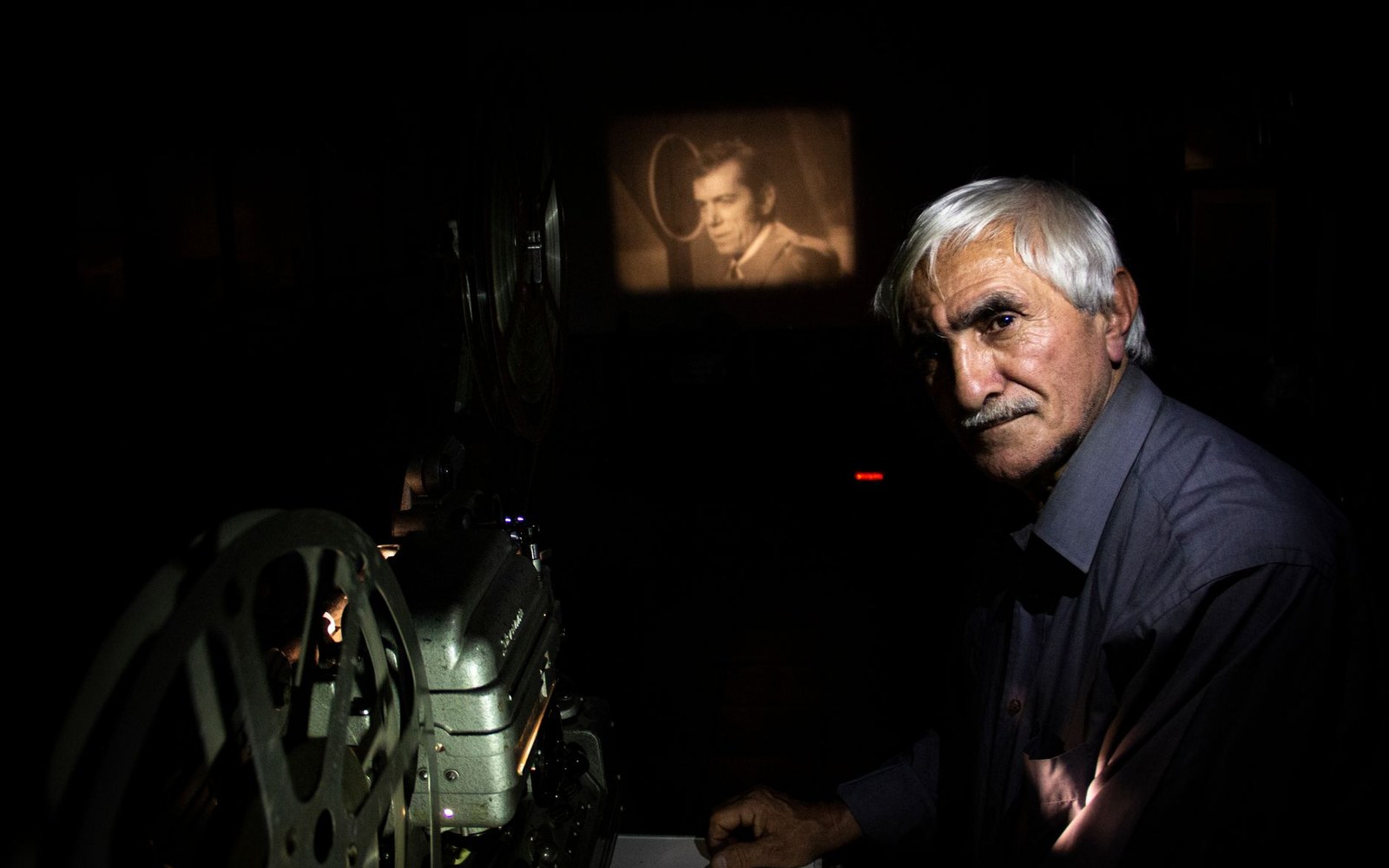
Projection is the part of the chain no streaming window reproduces — a fixed start time, one screen, and no way to pause it.
Photo: Mehmet Orak / PexelsWhat the Programming Reflects
Byron Bay is a town built around lifestyle before contest results, and the festival's programme tends to mirror that. Feature documentaries exploring surf history, environmental filmmaking, and work from independent cinematographers find a receptive audience here — one that overlaps considerably with the broader creative community the town has attracted over decades. The Surfrider Foundation's environmental strand of surf cinema travels well to Byron Bay, where coastal water-quality issues and headland preservation carry genuine local weight.
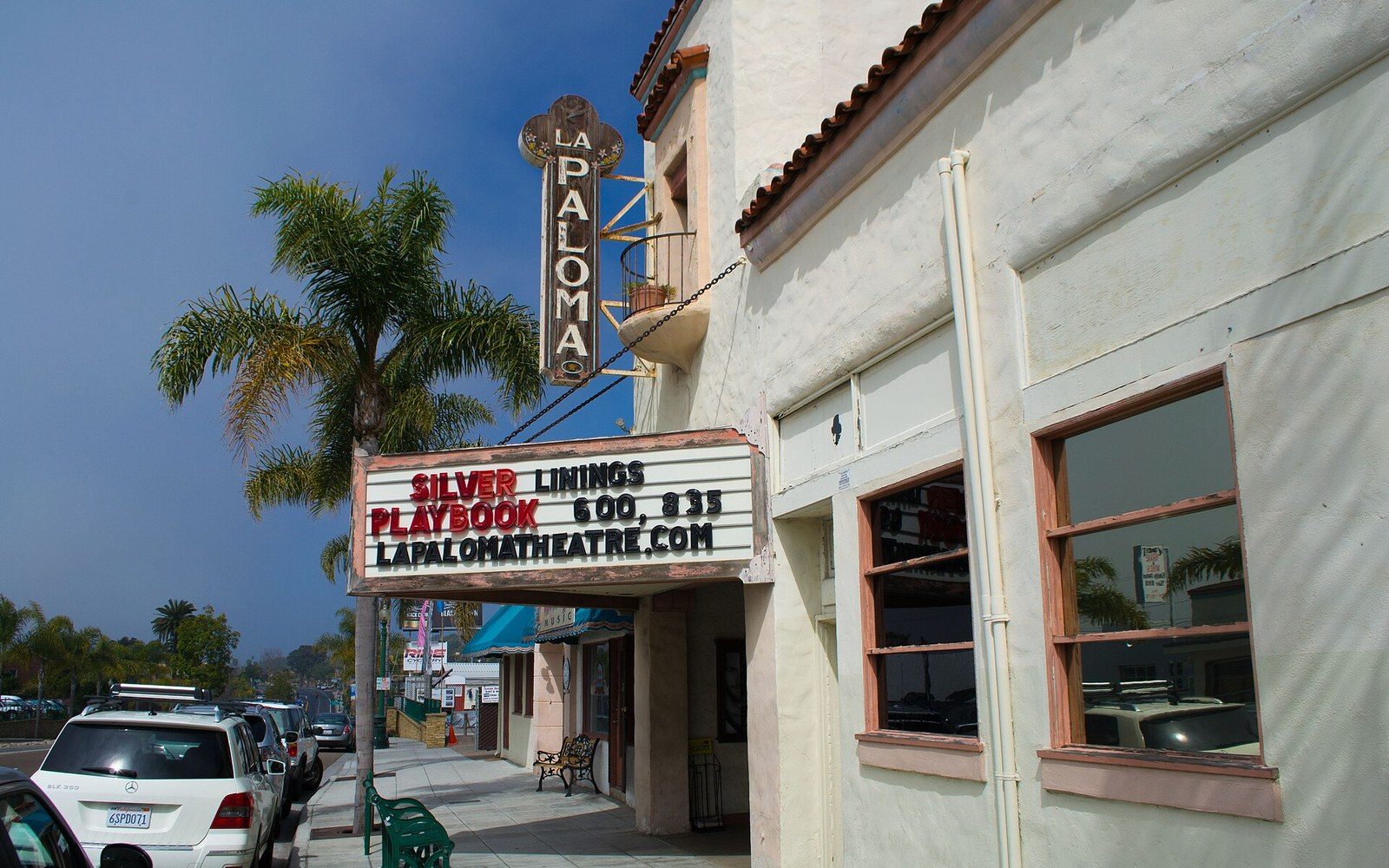
The venue infrastructure differs markedly from, say, the La Paloma Theatre in Encinitas, with its fixed single-screen history and deep local roots. Byron Bay has used various spaces over its festival's run, reflecting the town's more festival-general character — a place accustomed to staging events across multiple sites rather than anchoring them to a single institution.
Distribution conversations that follow a Byron Bay screening reach an Australian and Asia-Pacific audience that the northern-hemisphere events address only indirectly. For a filmmaker working on self-distribution, a strong Byron Bay run provides a foothold in a region with its own surf media ecosystem, its own shaping culture, and its own relationship to the wave-riding documentary tradition — one rooted as much in Falzon's gentle camera as in anything that came after.
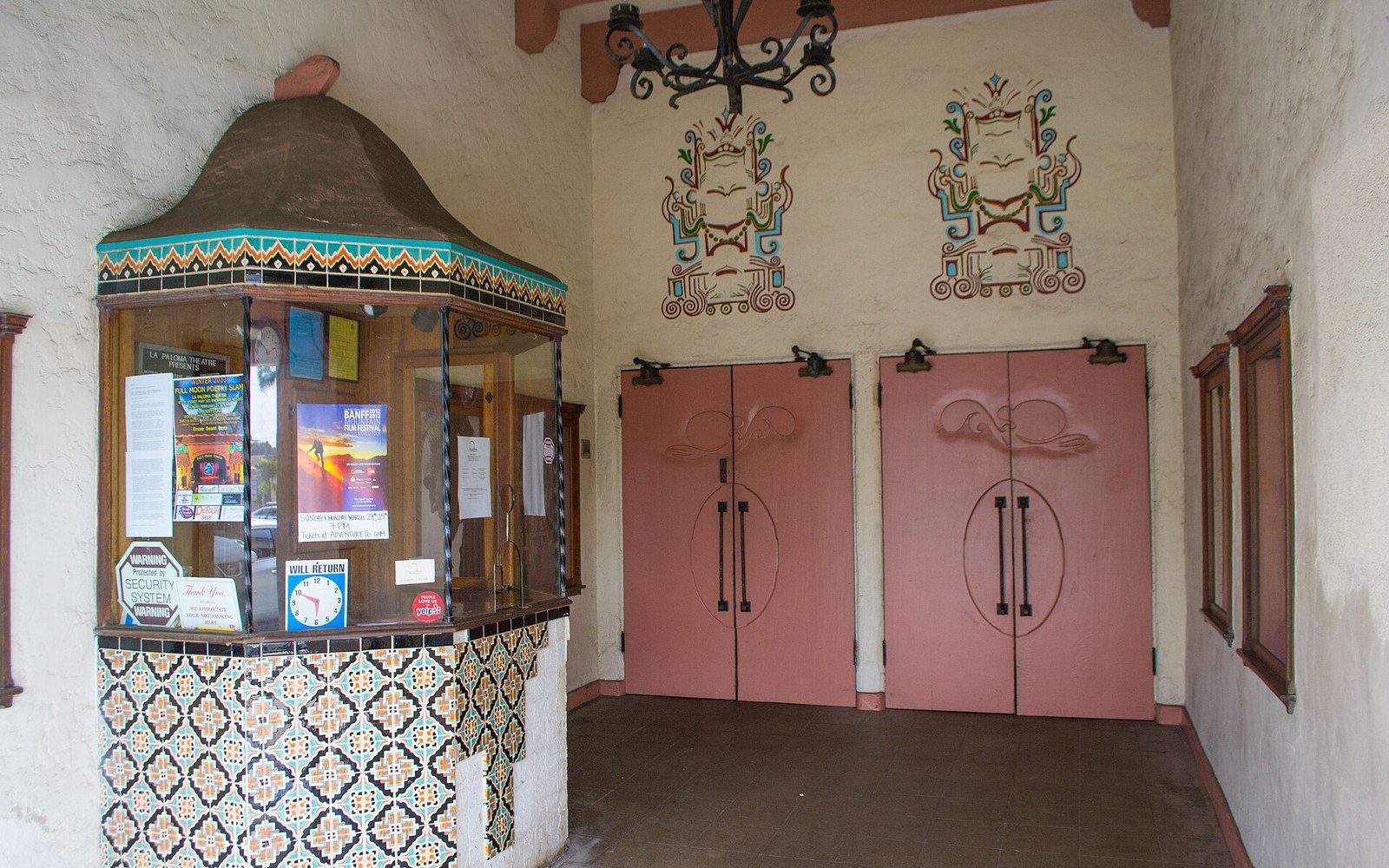 La Paloma, 1928: The Room Surf Cinema Came Home To
 What the San Diego Festival Has Actually Shown
 London's Surf Film Festival and the Crowd That Fills It