From the Screen to the Market
A surf film's festival run is the launch, not the destination. Once a title has played its premiere — Cardiff Reef on a Tuesday night, La Paloma Theatre on a Friday — the more consequential decisions begin: who handles the next window, and how.
The template for almost everything that followed was set in the early 1990s. Taylor Steele's Momentum (1992) demonstrated what shooting on consumer video formats made possible: faster turnaround, lower duplication costs, and direct sale through surf shops without a distributor intermediary. That retail-direct model — hand-sell a VHS to the same shops that stocked boards — collapsed the chain that theatrical films required and handed the filmmaker most of the margin. It was self-distribution by necessity, and the genre absorbed it as a default.
The house, before a feature.
Photo: Tima Miroshnichenko / Pexels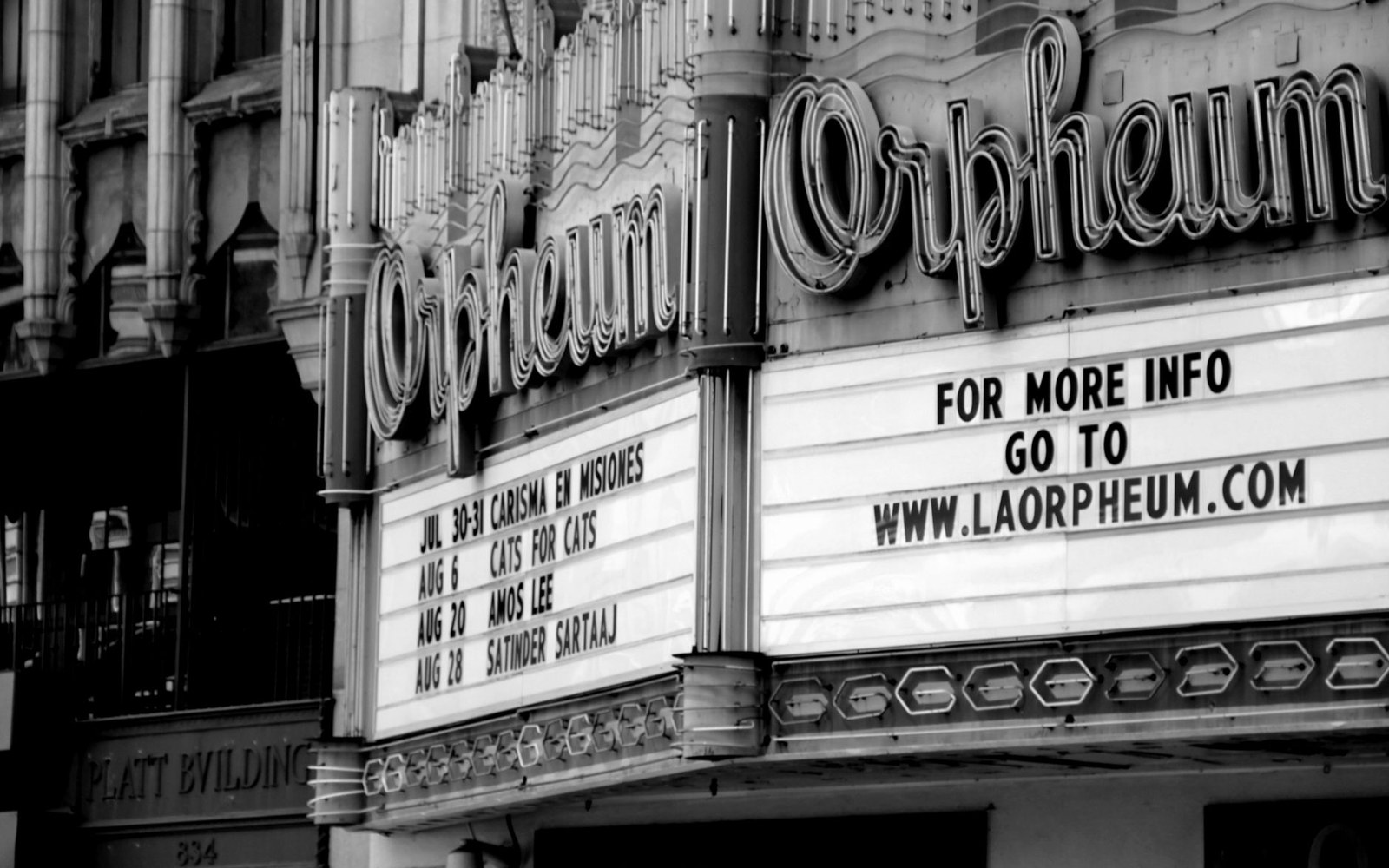
For most surf features the marquee is the only advertising they get: letters set by hand, a street to read them from, and a queue on the pavement.
Photo: Dalila Dalprat / PexelsThe Specialists Who Emerged
By the 2000s, surf film volume had grown large enough to sustain specialist operations. Teton Gravity Research, founded in 1996 and based in Jackson, Wyoming, built a distribution infrastructure around action sports films — theatrical touring, DVD and Blu-ray, and eventually digital platforms — that surf titles including Andy Irons: Kissed by God (2018) moved through. Garage Entertainment operated in similar territory, handling physical and digital rights for surf-specific titles across the English-speaking market. Both companies worked a model that theatrical distributors in narrative fiction would recognise: premiere-then-hold, protecting each revenue window before opening the next.
That sequencing still governs most surf releases. A film premieres at festival, then tours the circuit — Byron Bay, London, New York, Anglet — before any on-demand window opens. The on-demand window, the period during which a film is made available for rental or purchase through digital platforms, typically follows the touring run by weeks rather than months, because the audience for surf cinema is concentrated and its attention span for a given season's film is short. A title that waits six months for its streaming release often finds its own audience has moved on.
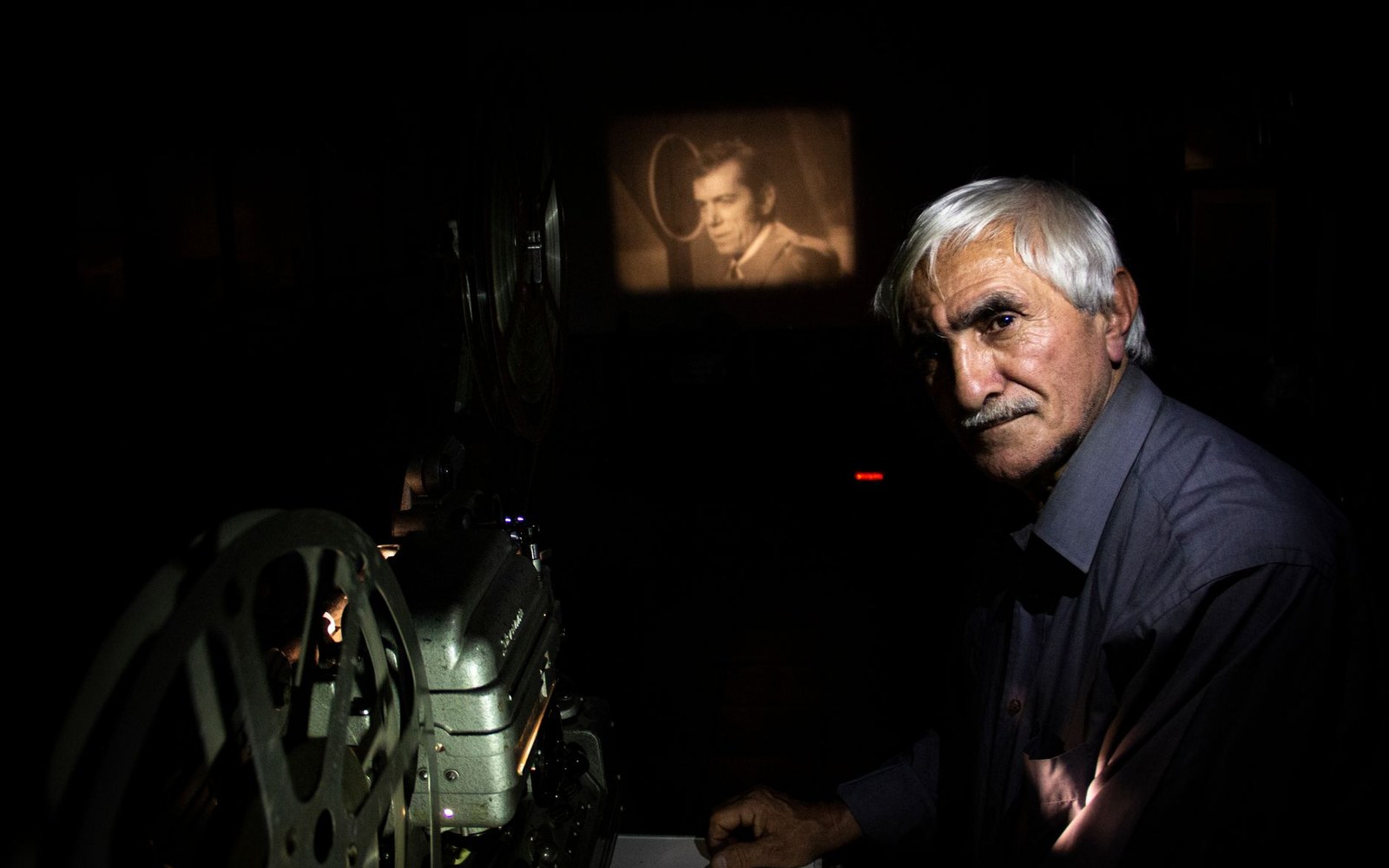
Projection is the part of the chain no streaming window reproduces — a fixed start time, one screen, and no way to pause it.
Photo: Mehmet Orak / PexelsWhat Brands Changed
The Patagonia and Vans commissioning model complicated this chain usefully. When a brand funds a film outright and retains rights, it often releases the title free — on YouTube or its own platform — bypassing every traditional window. 180° South (2010), produced with Patagonia's backing, followed this route; so did a series of Vans-backed titles. Free release widens the audience but eliminates filmmaker revenue from distribution, which is why independent directors without brand backing still depend on the festival-to-retail-to-on-demand sequence. The brand model and the independent model now coexist without resolving into a single industry norm.
Streaming platforms have not yet established a stable acquisition pattern for surf documentaries. Netflix acquired Charging Giants (2016) and has licensed individual titles, but no platform has committed to surf cinema as a category the way genre-specific streamers have done for, say, true crime. Most surf films reach a streaming platform as a back-catalogue deal rather than a commissioning arrangement. The distinction matters to filmmakers: a licensing fee for an existing film is a one-time receipt; a commission carries development money.
The distribution sequence
- Festival premierethe launch event, protective of subsequent windows
- Circuit touringByron Bay, London, New York, Anglet, before any digital release
- On-demand windowrental/purchase via digital platforms, opened after the touring run
- Streaming acquisitiontypically back-catalogue licensing, rarely a commission
- Physical media / lobby salesstill active for major and boutique titles alike
Physical media has not entirely disappeared. Blu-ray editions of major titles — Riding Giants (2004), Morning of the Earth in its remastered form — continue to move through specialist retailers and direct-to-fan sales at festival screenings. At the La Paloma Theatre in Encinitas, lobby sales after a screening remain a meaningful distribution moment for smaller titles that never reach a streaming platform at all.
The chain, then, is less a pipeline than a series of choices made film by film, shaped by who owns the rights, who funded the production, and how patient the filmmaker can afford to be.
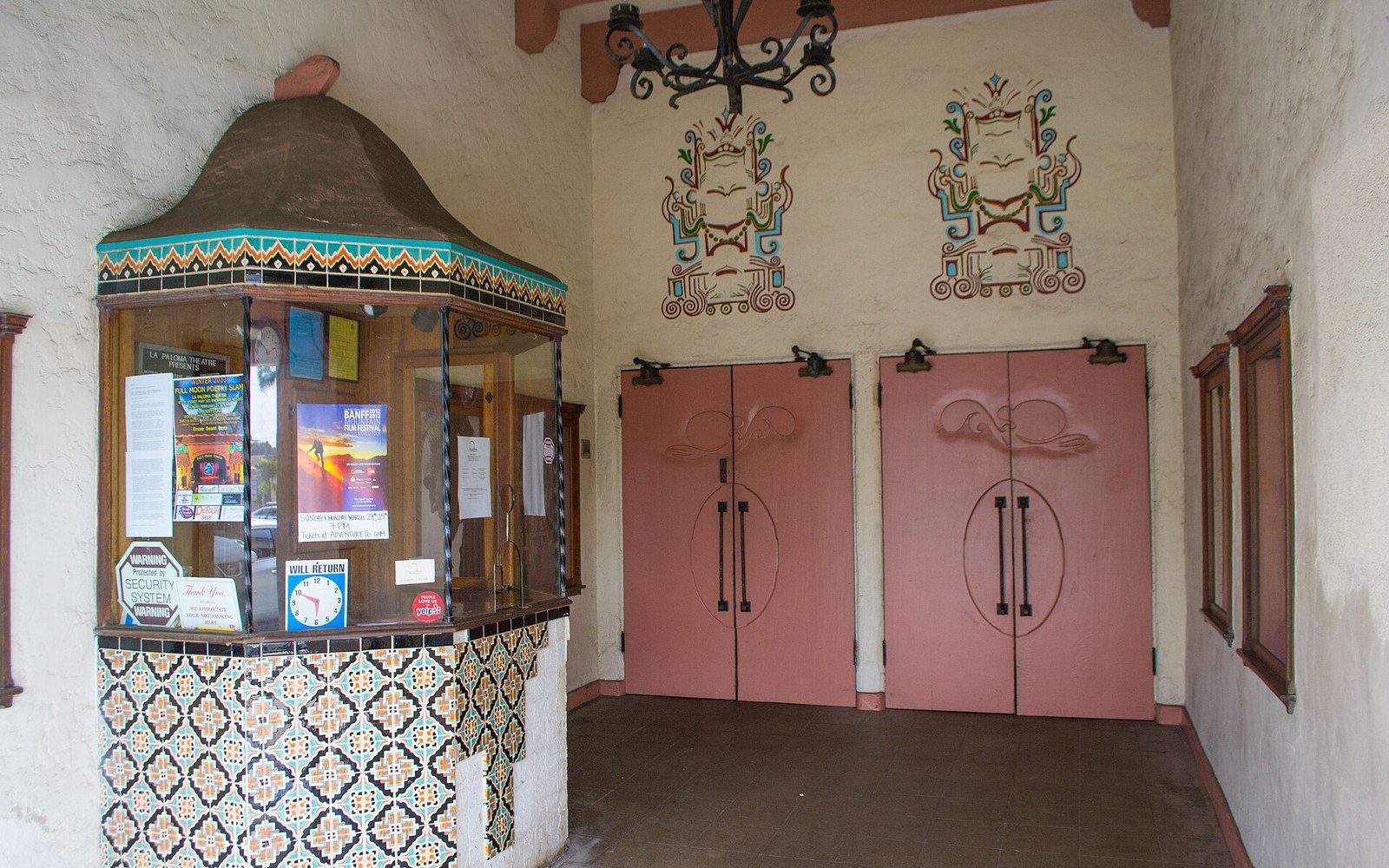 La Paloma, 1928: The Room Surf Cinema Came Home To
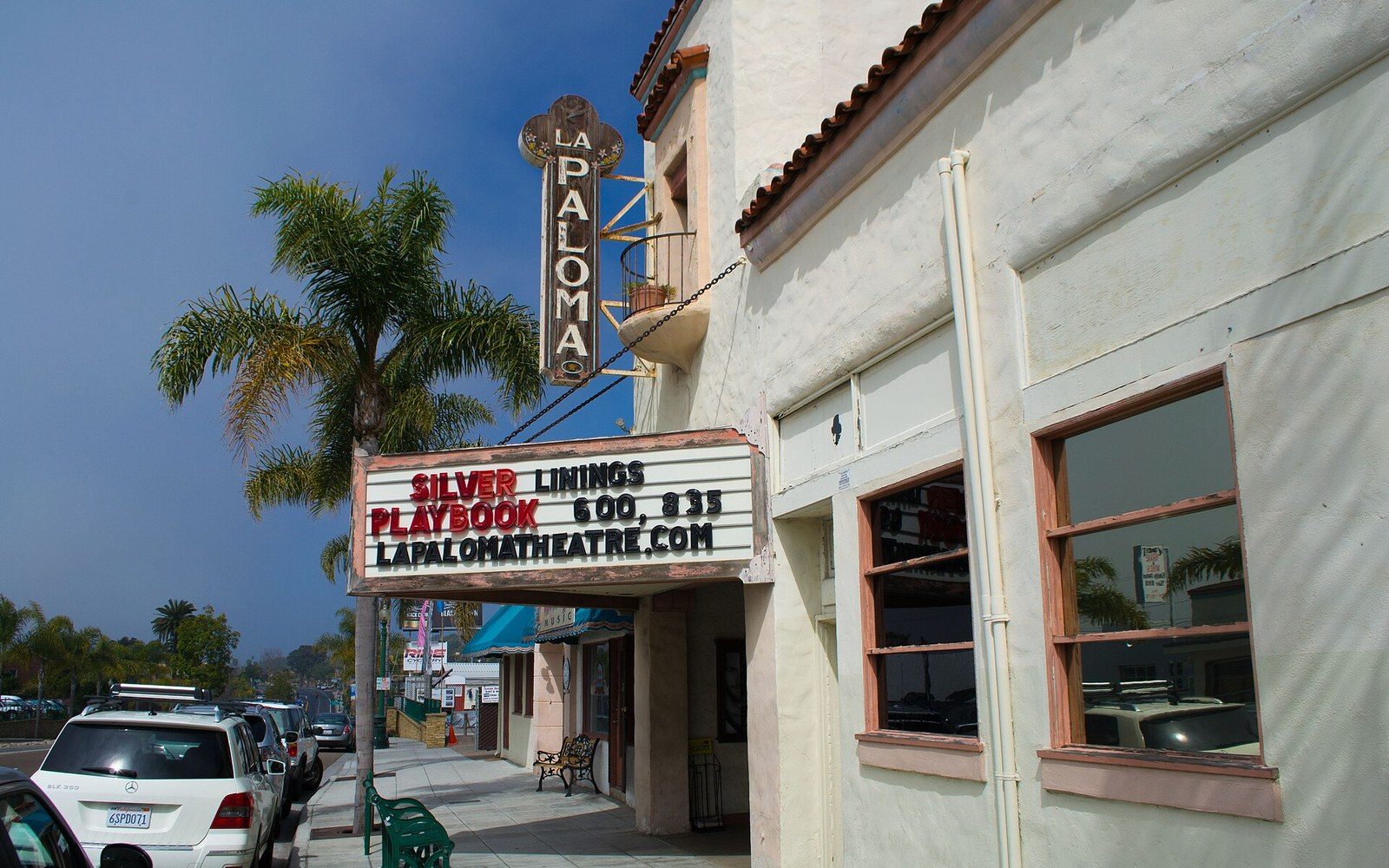 What the San Diego Festival Has Actually Shown
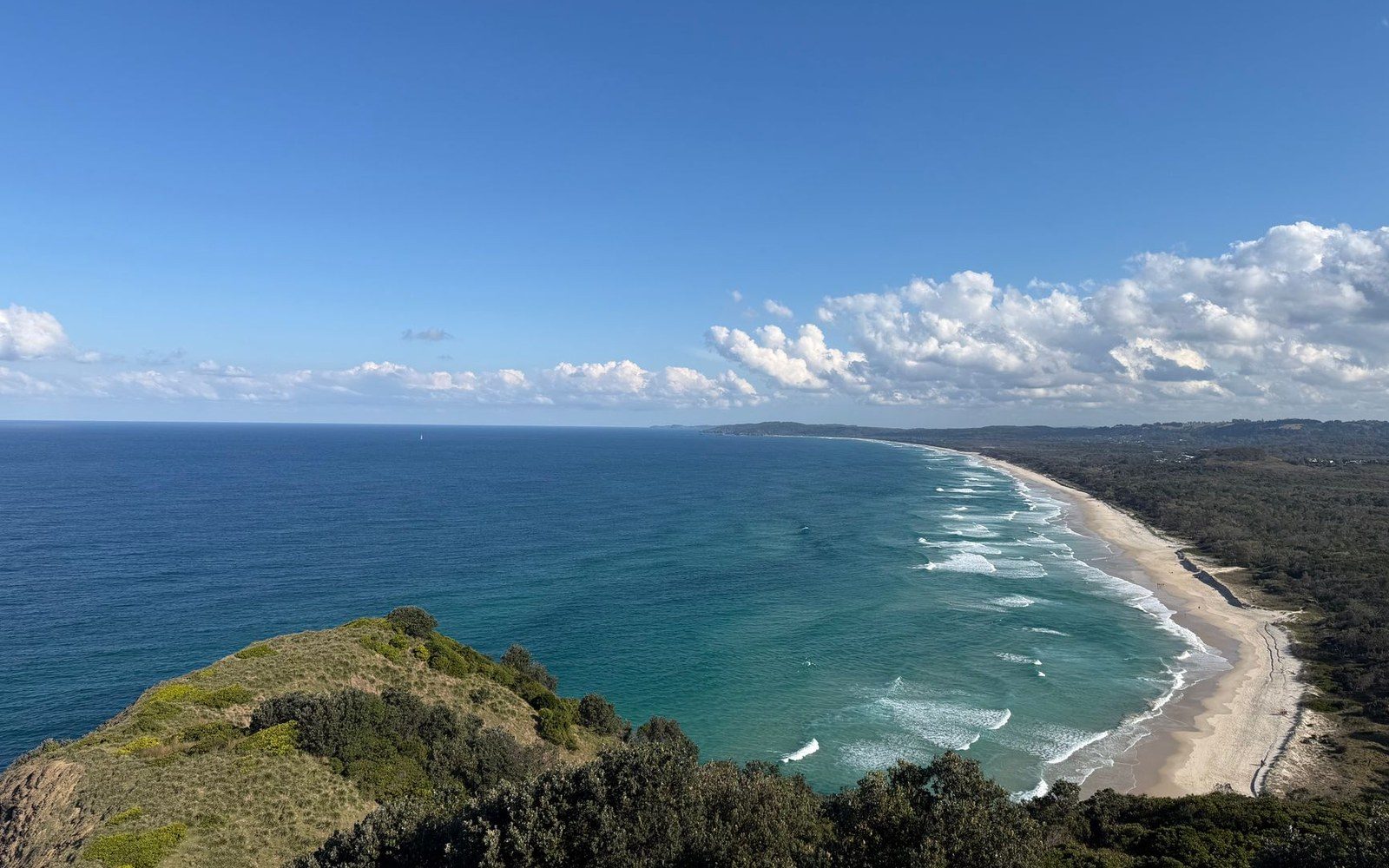 Byron Bay: Where the Circuit Goes Australian