
Commission, Not Sponsorship
The conventional model of brand involvement in surf cinema runs as follows: a filmmaker raises money, makes a film, submits it to festivals, and a sponsor logo appears in the credits or on a banner at the screening. The brand is peripheral. What Patagonia and Vans pioneered, separately and by different instincts, is something structurally different — they own the project from the start, control the brief, and deliver the finished film through their own channels. No submission process, no festival gatekeeping, no distributor negotiating theatrical terms. The brand is the studio.
Patagonia's filmmaking arm has produced a body of environmental documentary work that uses surf as an entry point into coastal conservation, water quality and climate. The 2017 film Fishpeople — produced and distributed directly by Patagonia — is a representative example: it features big-wave surfer Bianca Valenti and free-diver Kimi Werner alongside other ocean athletes, and the argument it makes is explicitly ecological. The surf sequences earn their place because they carry a message the brand already holds. Patagonia's environmental grant and film work has, over two decades, established a recognisable house aesthetic: measured pacing, landscape-scale cinematography, and subjects who speak to the ocean as ecosystem rather than arena.
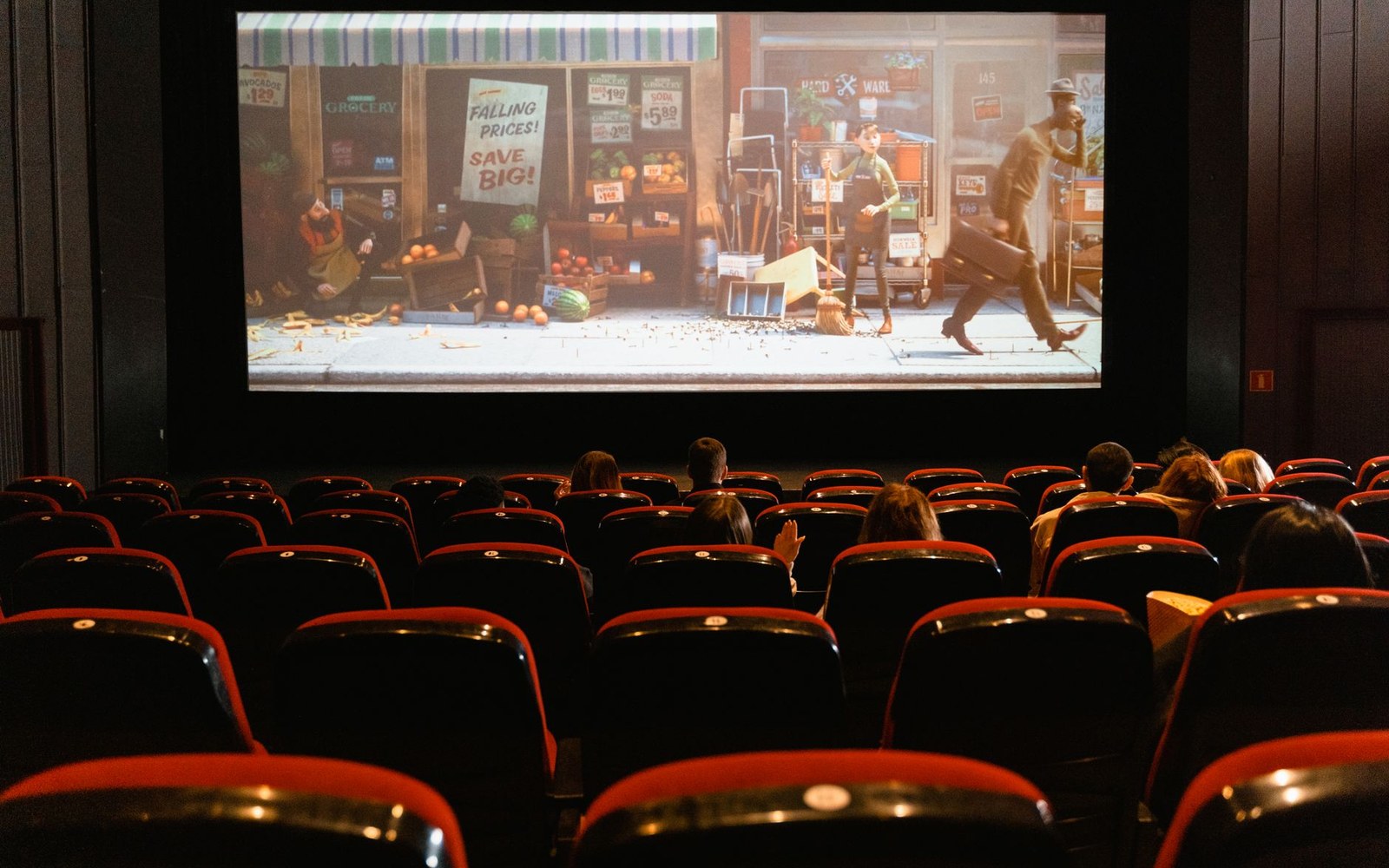
The house, before a feature.
Photo: Tima Miroshnichenko / Pexels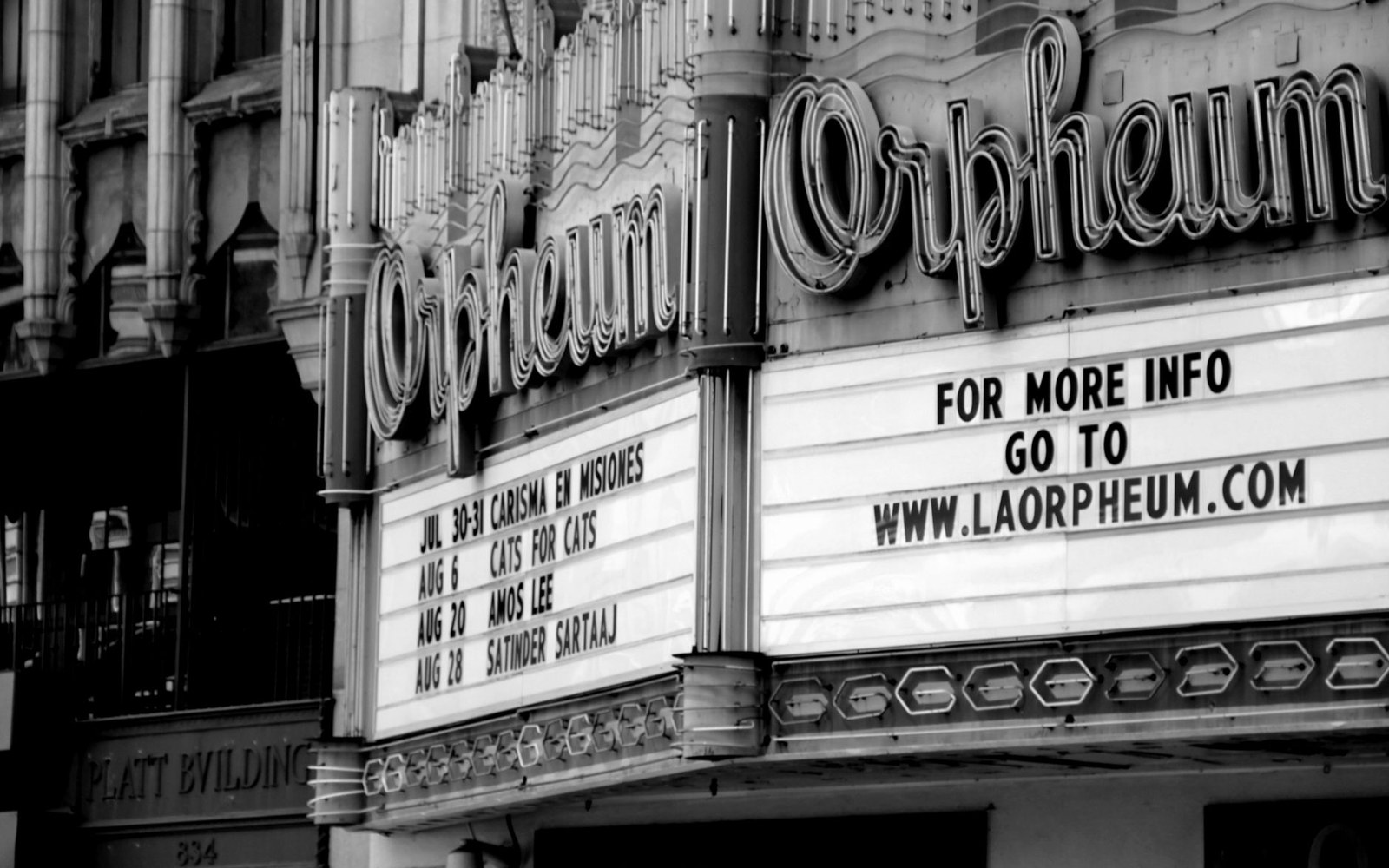
For most surf features the marquee is the only advertising they get: letters set by hand, a street to read them from, and a queue on the pavement.
Photo: Dalila Dalprat / Pexels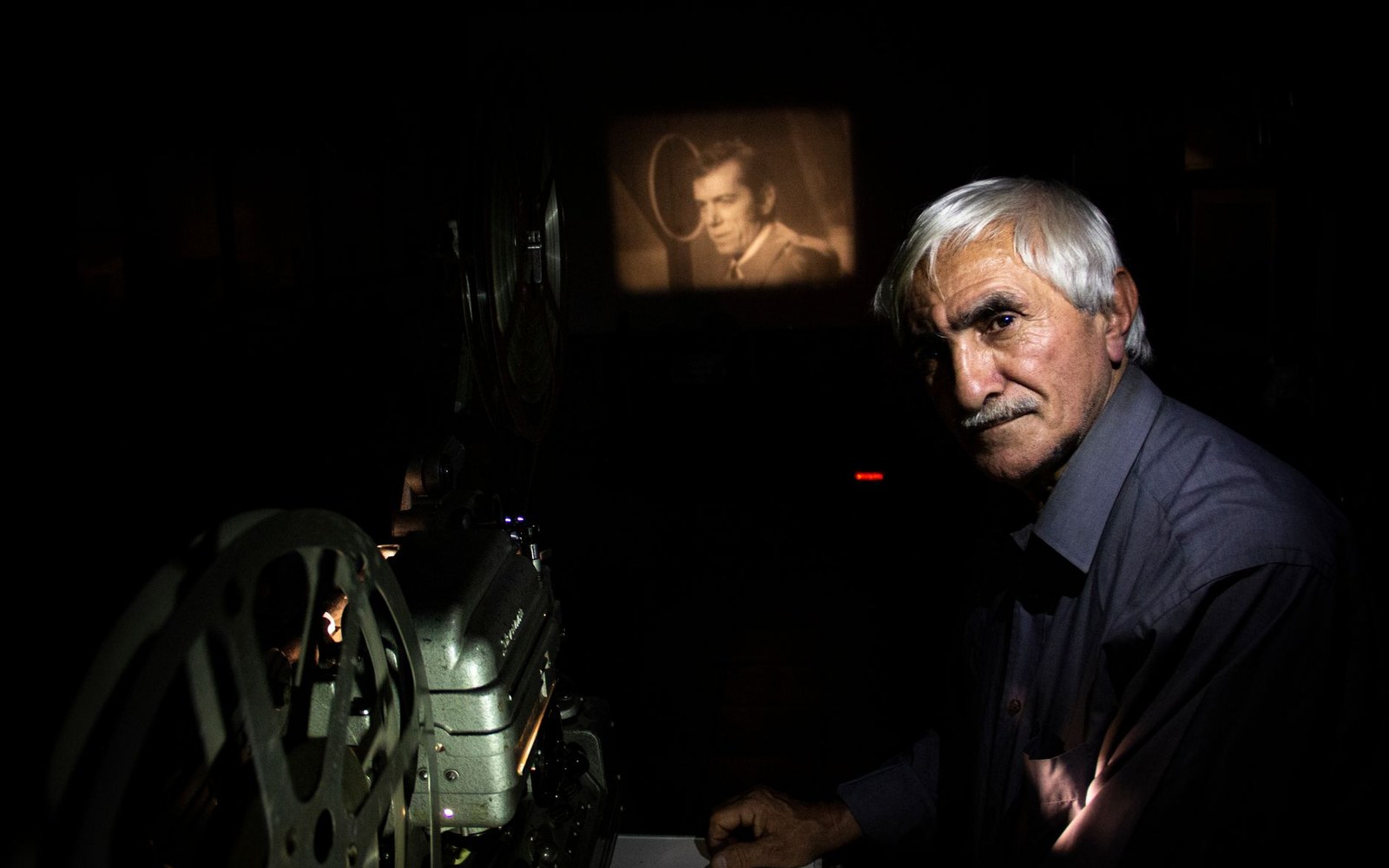
A booth, mid-reel.
Photo: Mehmet Orak / PexelsVans operates on different cultural ground. As a footwear and apparel company whose identity is built on youth subculture, its surf film investments — through the long-running Vans Triple Crown of Surfing and its associated content — have tended toward the competitive and the aspirational. The aesthetic skews faster: high-frame-rate water cinematography, the fisheye lens inside the barrel, the kind of footage that the World Surf League's documented adoption of broadcast standards eventually industrialised. Where Patagonia films tend to ask a question, Vans films tend to confirm what the audience already knows it wants to see.
What the Model Produces — and Forecloses
Brand commissioning solves the funding problem that kills most independent surf documentaries before they reach a festival submission deadline. A filmmaker working with Patagonia or Vans has a budget, a crew, access to athletes under contract, and a guaranteed distribution channel — the brand's own website, retail screenings, and social platforms reaching audiences far larger than the festival circuit alone. Teton Gravity Research, which has operated a hybrid model — part brand-funded, part self-distributed — demonstrates that brand money and filmmaker ambition can coexist without one entirely consuming the other.
But the commission structure forecloses as surely as it enables. A film funded entirely by Patagonia will not investigate environmental records of Patagonia's supply chain. A Vans film will not follow a surfer whose sponsorship sits with a competing label. These are not scandals — they are the ordinary logic of any client relationship — but they matter for understanding why the festival-submission route retains cultural authority even as its budgets remain thin. Films that arrive at the London Surf Film Festival or the New York Surf Film Festival through open submission are accountable, in principle, to no one's commercial interest. The selection committee is the only gatekeeper.
The more subtle cost is editorial. Christopher Nelius's Girls Can't Surf (2020) — distributed through Garage Entertainment after a full festival run — required sustained critical distance from the surf industry's institutional record on women's pay and competitive access. That distance is genuinely difficult to maintain when the entity cutting the cheque is itself an industry stakeholder. The film's account of figures like Frieda Zamba and Layne Beachley, and the unequal prize money those athletes navigated before the WSL's 2019 parity policy, required a filmmaker answerable to a story rather than a brand position.
What the Audience Gets
Neither model is inherently superior, and the best argument for both is the work itself. Patagonia's environmental films reach audiences — particularly in retail and educational contexts — that the festival circuit never touches. Vans puts surf cinematography in front of millions of people who will never sit in the La Paloma Theatre on a Friday night. But understanding which door a film walked through is part of reading it accurately. Commission shapes content; knowing the commissioner is basic criticism.
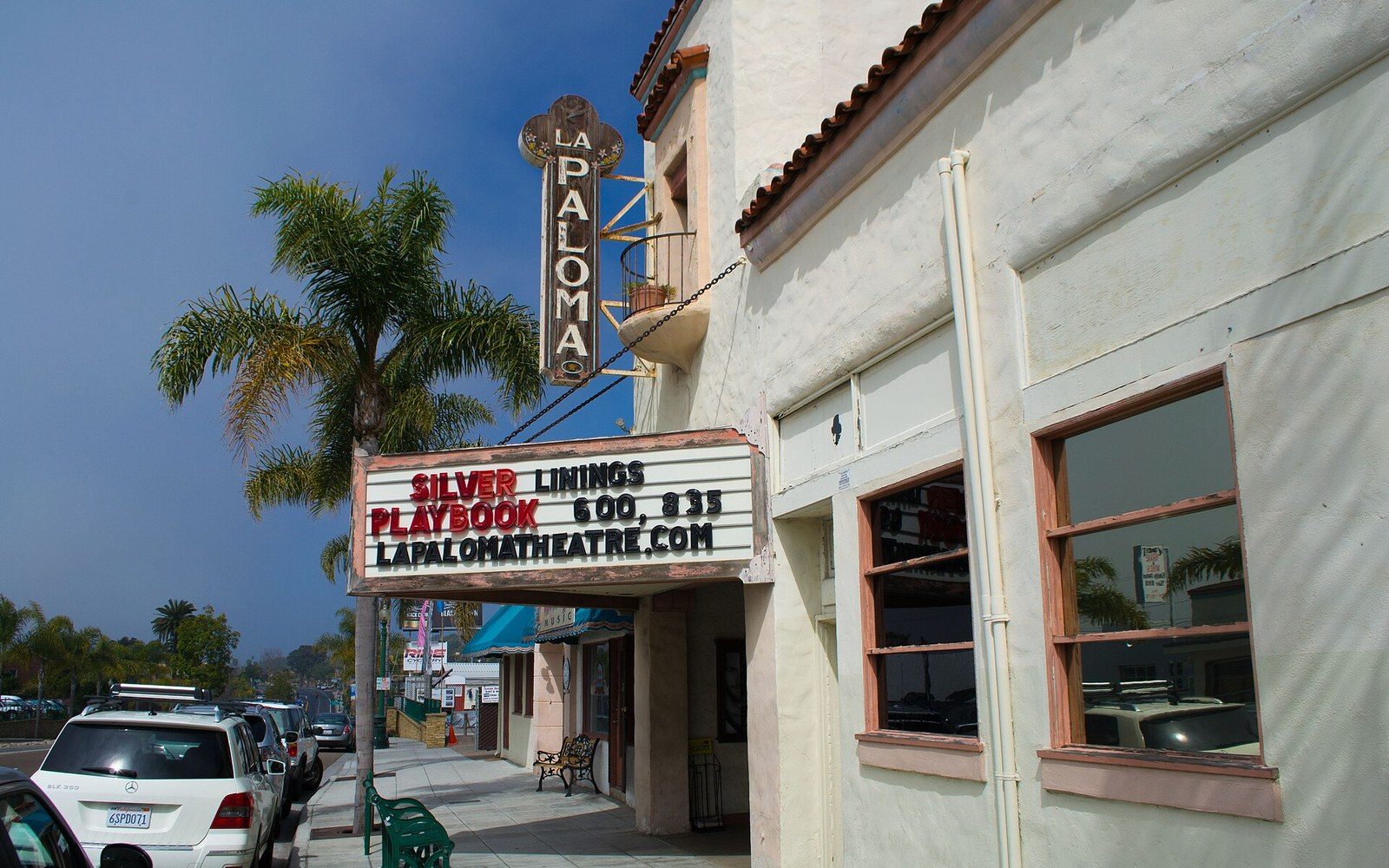
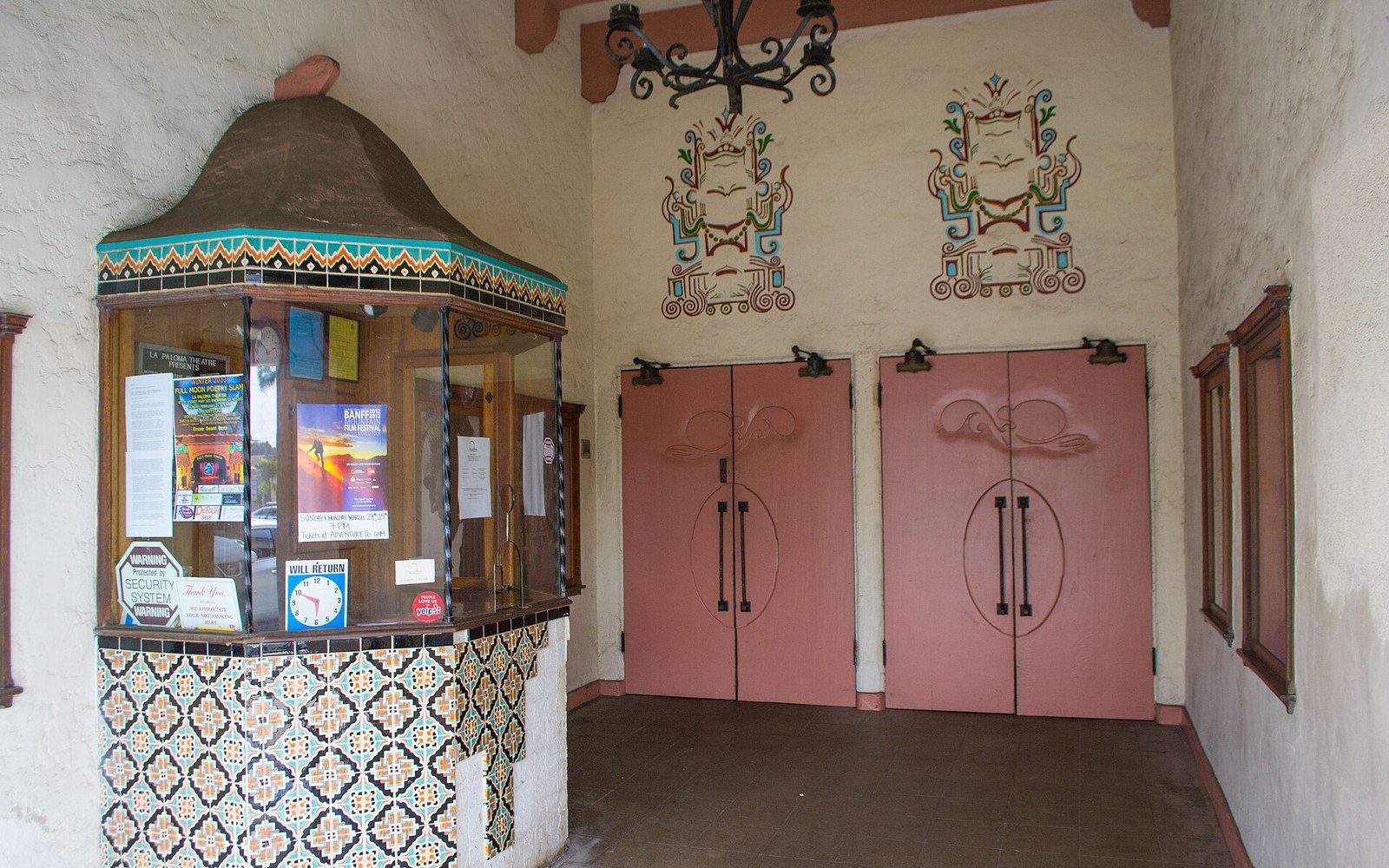 La Paloma, 1928: The Room Surf Cinema Came Home To
 What the San Diego Festival Has Actually Shown
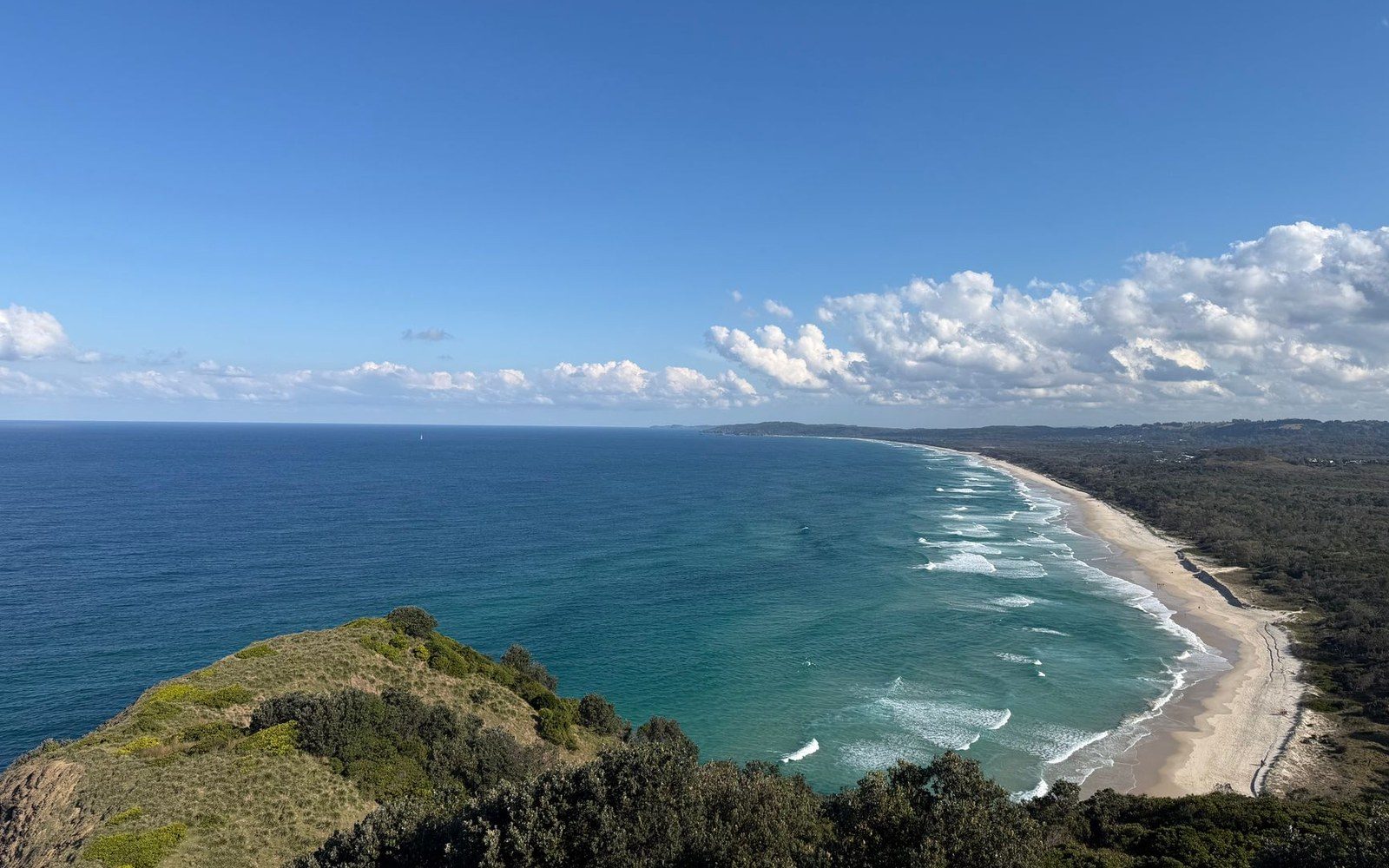 Byron Bay: Where the Circuit Goes Australian