The Festival in a City With No Break
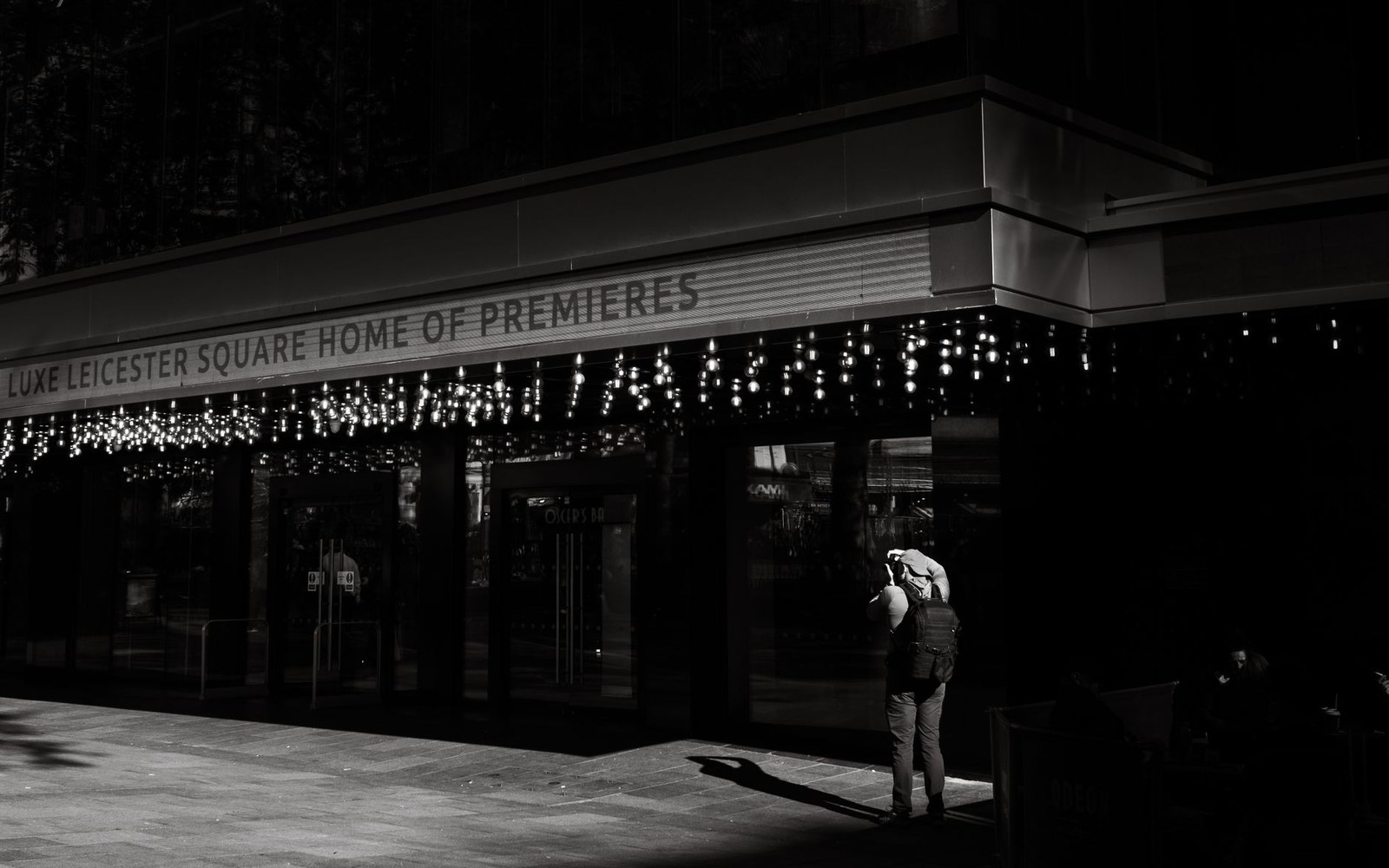
The London Surf / Film Festival — to use its full name — has run annually in the British capital since 2009. It has moved between venues over its years of operation, anchoring at the Hackney Picturehouse and similar independent cinema spaces in east London. The choice of venue is itself a statement: not a corporate multiplex but a neighbourhood picture house with a bar, a crowd that knows each other, and a programme assembled with evident care. The festival positions itself alongside peers in other European cities and coastal towns — its closest counterpart on the circuit being the festival in Anglet, on France's Atlantic coast, which has a break out front and still draws a substantial urban French audience. London has no break. It draws anyway.
What it draws is specific. The audience at a London surf screening is not primarily composed of active surfers. A portion are — the country's surf population travels mainly to Cornwall, to the Canaries, and to Portugal — but the majority are people who came for cinema. This distinction matters enormously to understanding surf film as a genre. The films that programme well in London tend to be the ones that hold up as documentary objects rather than as extended highlight reels. Albert Falzon's Morning of the Earth has screened in retrospective formats in European urban contexts precisely because it is as much a landscape film as a surf film. Stacy Peralta's Riding Giants works in a conventional cinema because it is structured like a conventional documentary, with a three-act argument and talking heads. Taylor Steele's early video work plays differently — it was built for a surf-familiar audience willing to accept pure style over narrative scaffolding.
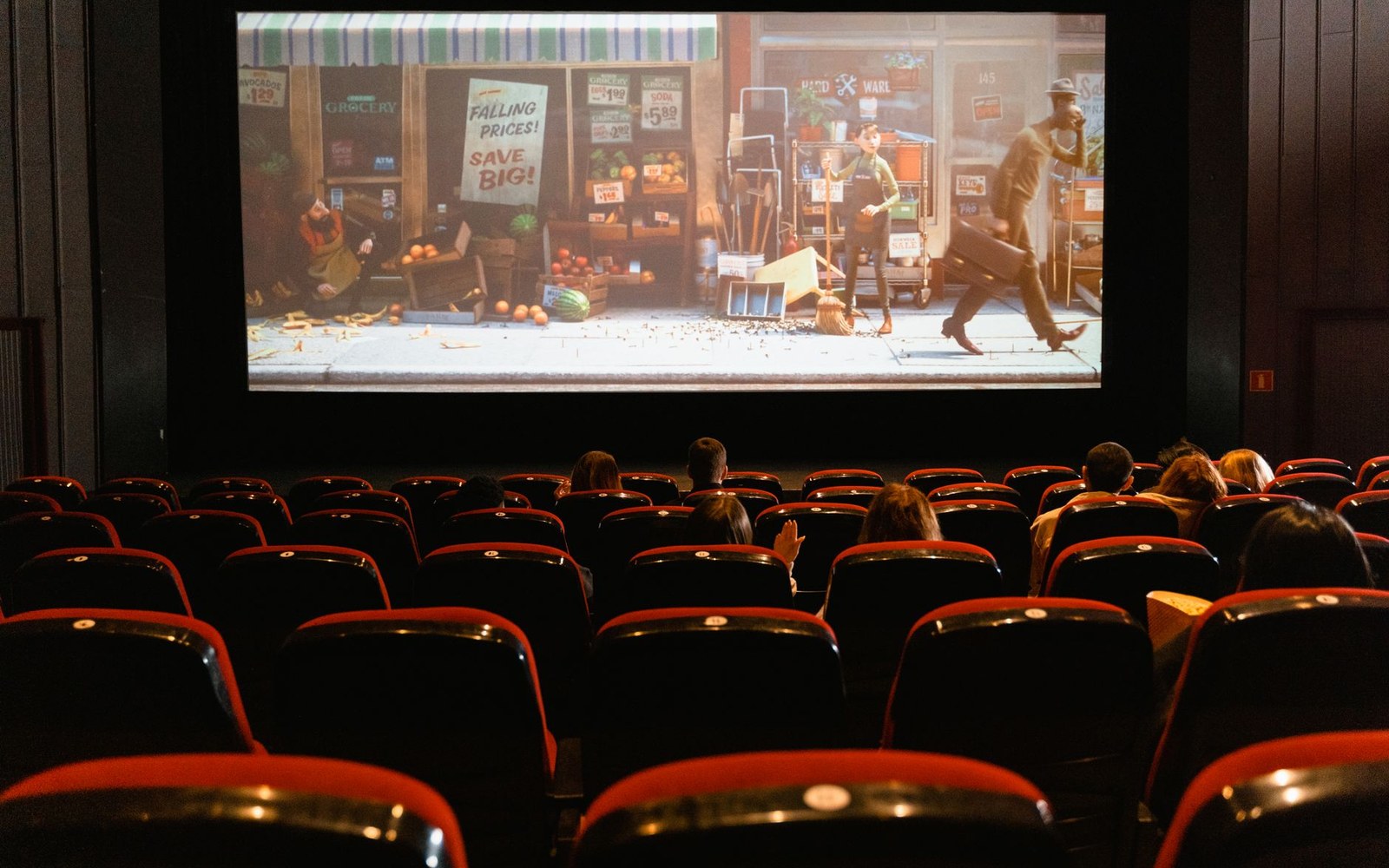
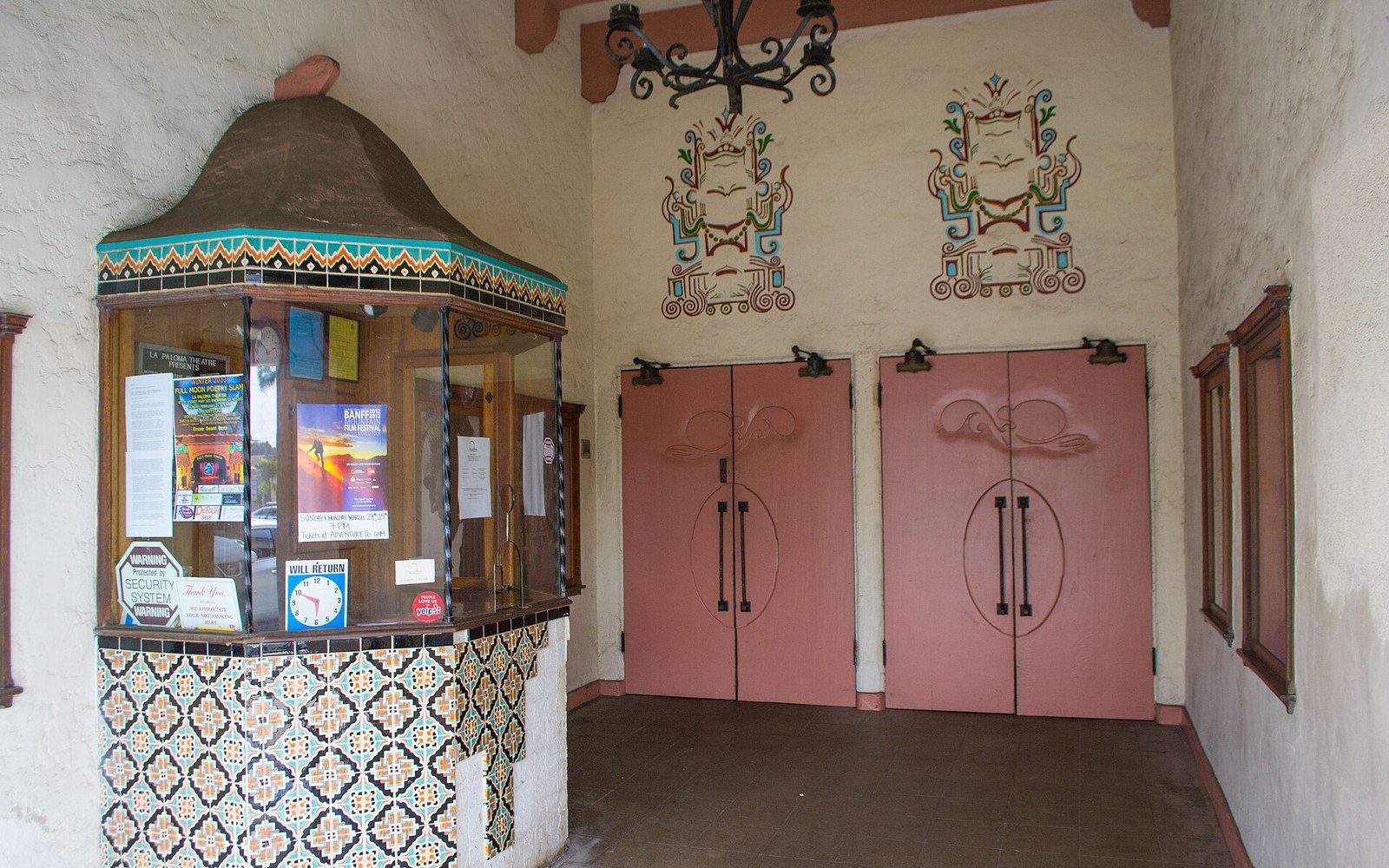
The house, before a feature.
Photo: Tima Miroshnichenko / Pexels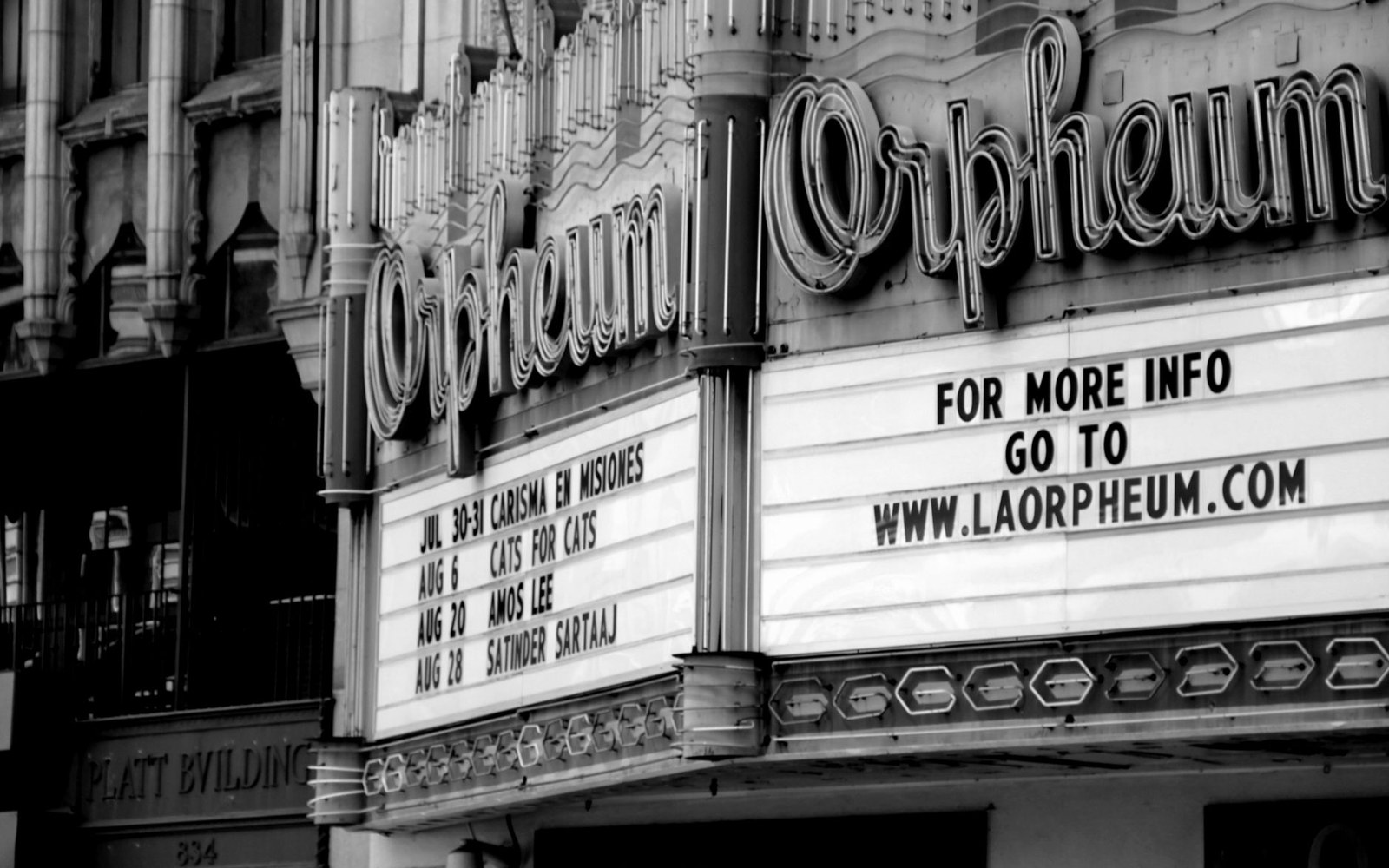
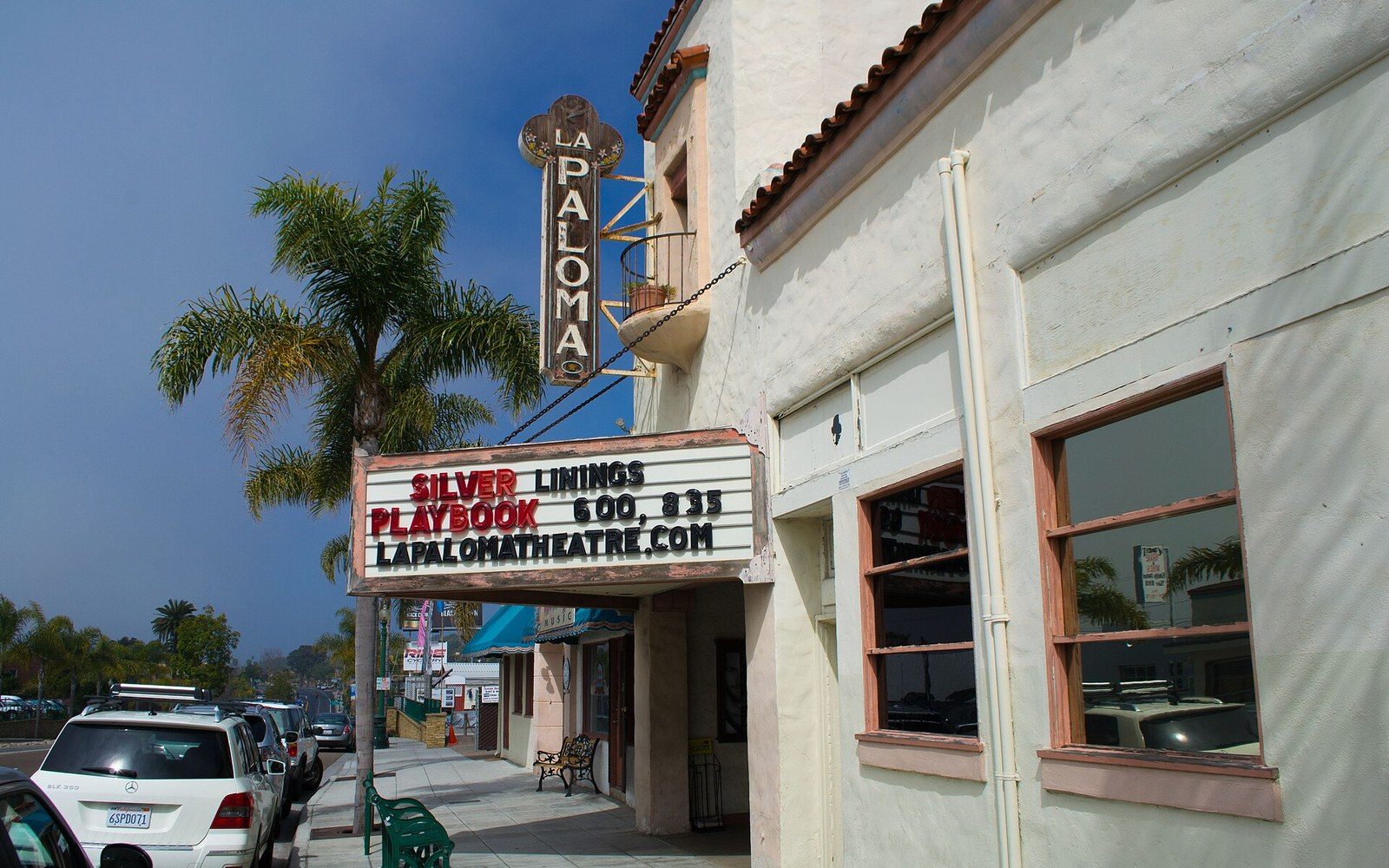
For most surf features the marquee is the only advertising they get: letters set by hand, a street to read them from, and a queue on the pavement.
Photo: Dalila Dalprat / Pexels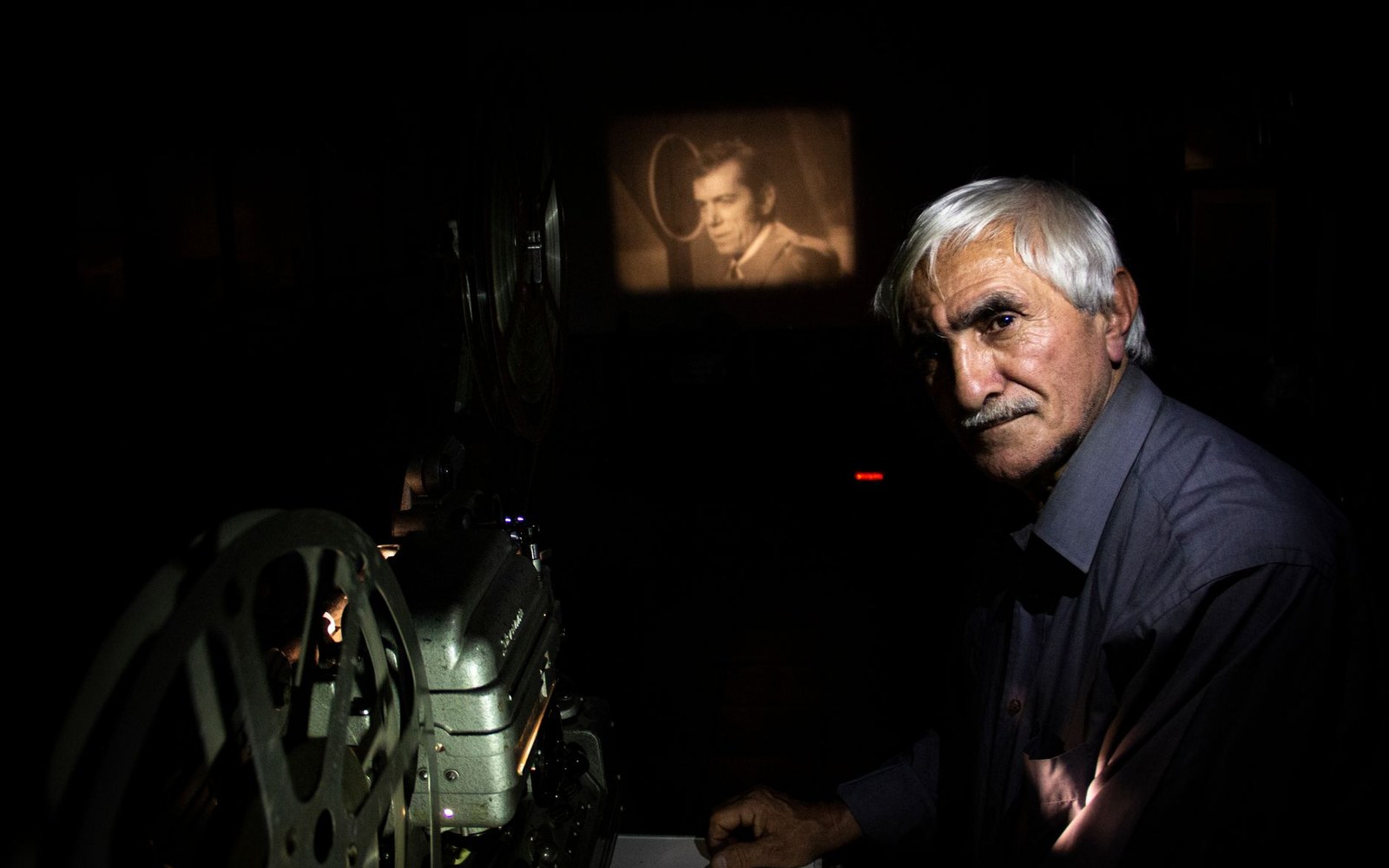
A booth, mid-reel.
Photo: Mehmet Orak / PexelsWhat an Urban Audience Is Actually Watching For
There is a longstanding critical argument — supported by the European festival circuit's programming record — that surf cinema urbanised its audience long before it urbanised its production. The images in a surf film: a barrel at Pipeline, the face of a wave at Teahupo'o, the light over a dawn lineup at Swami's or Cardiff Reef — these are not instruction. They are aspiration and atmosphere. Urban audiences in a city like London consume them the way city audiences consume mountain climbing films or wilderness documentaries: not because they will replicate the act, but because the act represents something about freedom, physical commitment, and landscape that the city systematically denies.
This is the argument that makes a London surf film festival viable. The World Surf League, whose Championship Tour provides the competitive substrate for many documentary subjects, produces its own streamed content — but that content is coverage, not cinema. A festival curates the gap between the two. It selects films where the cinematography itself is the argument: where Chris Bryan's high-speed water work at 1,500 frames per second, or Jack McCoy's jet-ski framing, produces images that reward a large screen and a quiet room rather than a phone held sideways. The London festival has consistently programmed short films alongside features, which matters: the short form is where the most formally ambitious surf cinematography now lives, and it needs a festival context to be seen at all outside the surf-specific online ecosystem.
The crowd that fills a London surf film festival night is also, importantly, a social crowd. The bar is open, the filmmaker Q&As run long, and the atmosphere is closer to a music venue than a traditional cinema. This is not accidental. Surf film self-distribution, from Bruce Brown's era onward, always understood that the experience of watching mattered as much as what was watched. Brown screened The Endless Summer in rented halls with live narration. The London festival updates that model for an urban audience sixty years on — same instinct, different postcode. The film is still the reason. The room is still the point.
The circuit in context
| London Surf / Film Festival | annual, founded 2009, London; no coastline, strong independent-cinema identity |
|---|---|
| Anglet | French Atlantic coast festival; contrasting geography, similar urban French audience draw |
| Hackney Picturehouse | east London independent venue; type of space the festival gravitates toward |
| WSL streamed coverage vs. festival curation | the gap the festival occupies |
 La Paloma, 1928: The Room Surf Cinema Came Home To
 What the San Diego Festival Has Actually Shown
 Byron Bay: Where the Circuit Goes Australian