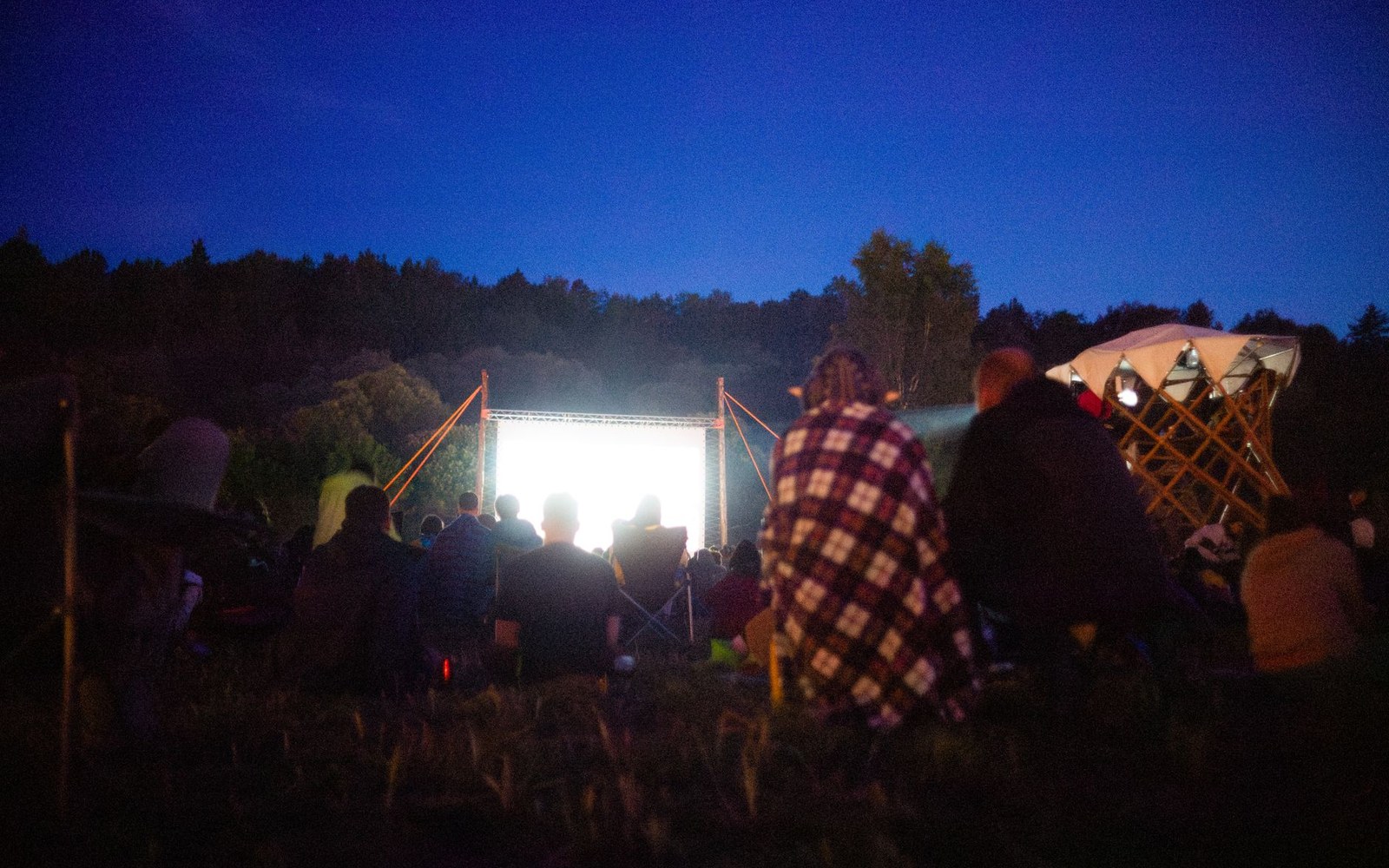
The Atlantic Side and the Pacific Side
Anglet, a coastal commune just north of Biarritz in the Basque Country of southwestern France, hosts one of the few European surf film festivals anchored to a genuine competitive calendar. The Biarritz region has served as Europe's surf capital since the late 1950s, and Anglet's festival operates within that infrastructure — French-speaking, distinctly Basque in setting, and positioned close to the autumn competitive window when the World Surf League's Championship Tour moves through western France. That proximity is not incidental: the films screened tend to reflect Atlantic surf culture rather than the Pacific-dominant imagery that characterizes most English-language events on the circuit.
Hawaii's festival presence operates differently. The North Shore's competitive season runs from roughly November through December, when Pipeline and Sunset Beach host the final and most heavily weighted contests of the WSL Championship Tour. Film events in Hawaii during that period exist inside a live spectacle — screenings share attention with the water, and the audience includes many of the surfers appearing on screen. The scale is intimate by design. What the Hawaiian context provides that no mainland festival can replicate is immediacy: the locations are not historical or aspirational, they are outside.
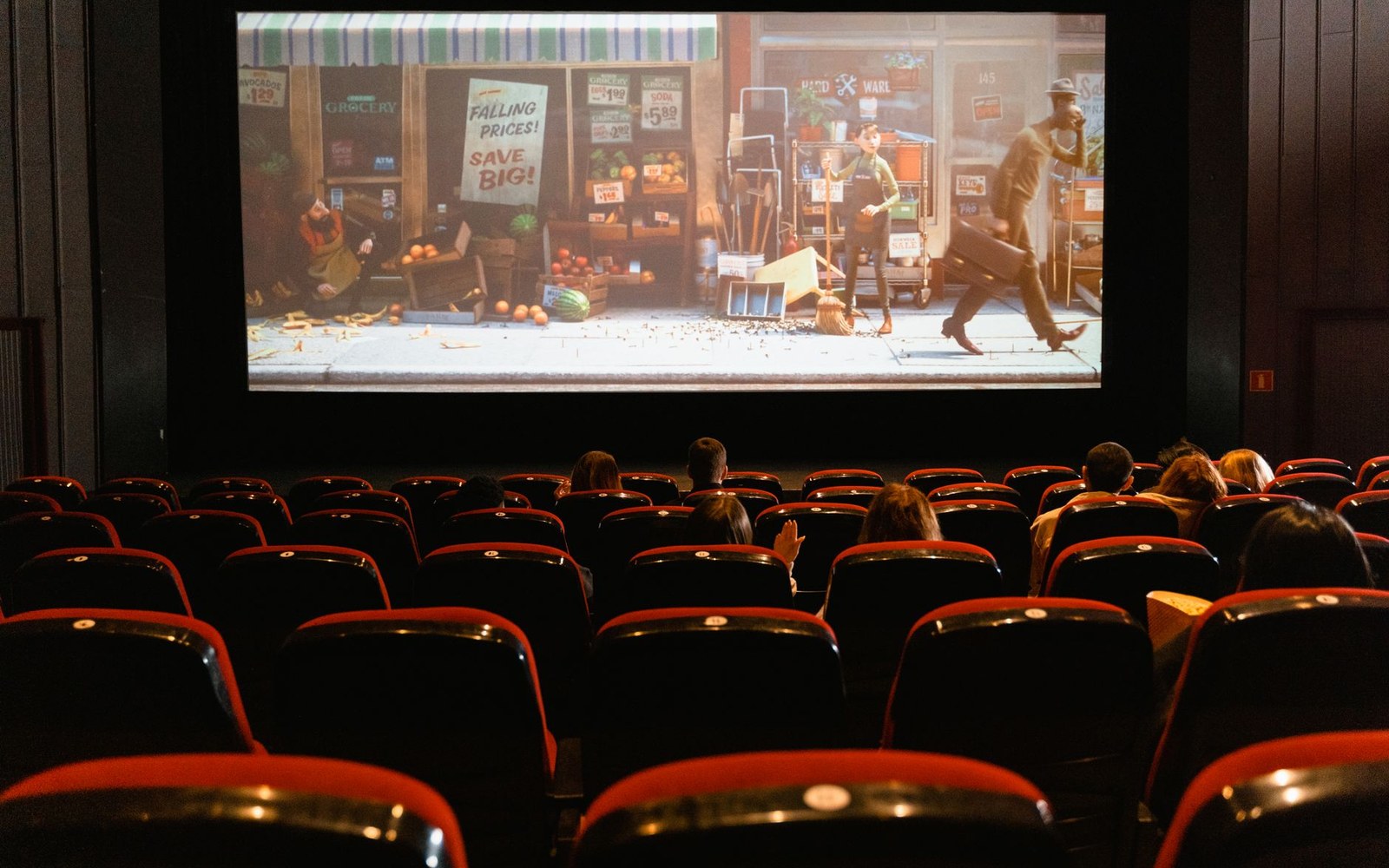
The house, before a feature.
Photo: Tima Miroshnichenko / Pexels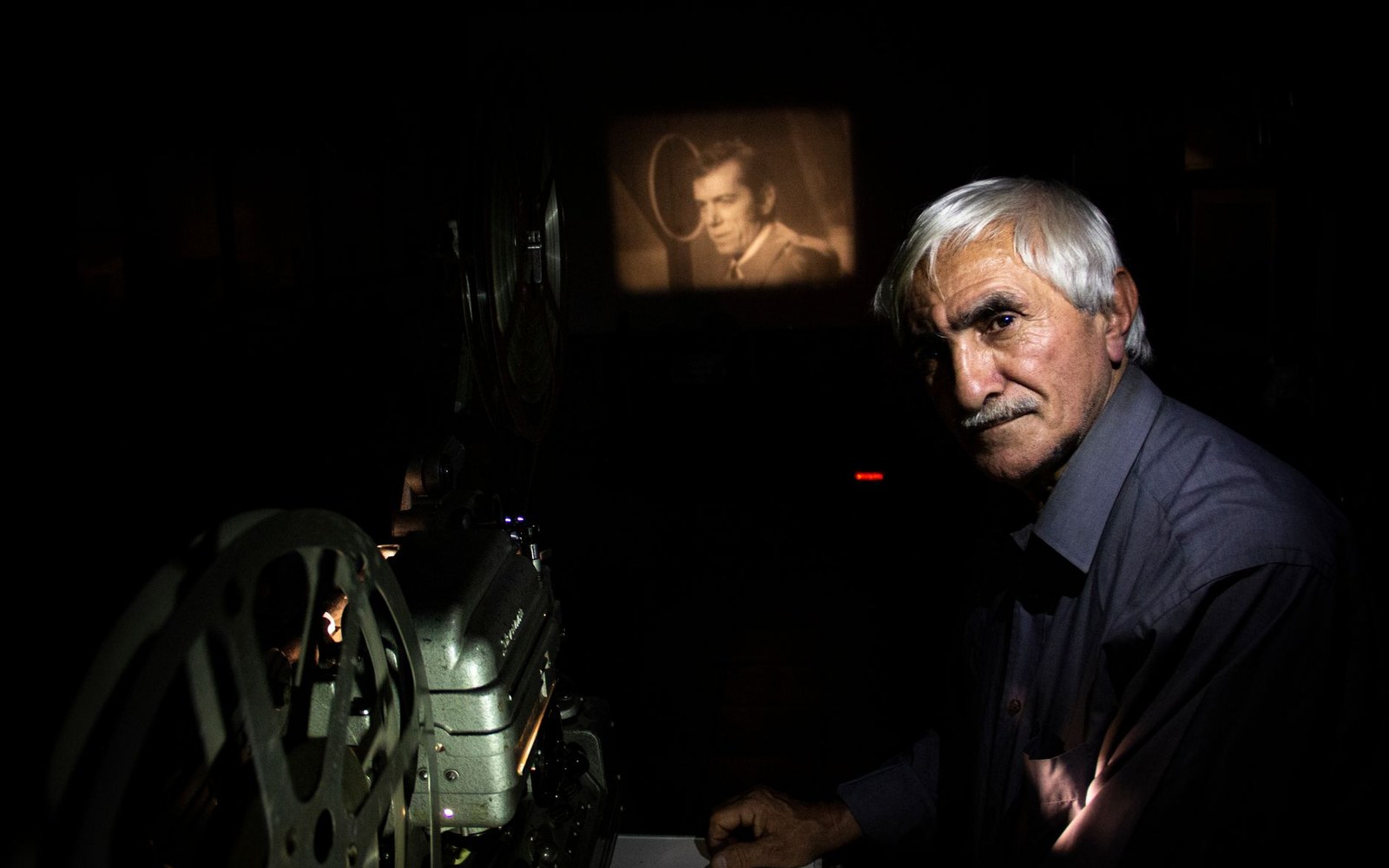
Projection is the part of the chain no streaming window reproduces — a fixed start time, one screen, and no way to pause it.
Photo: Mehmet Orak / PexelsWhat the Calendar Separation Produces
Anglet and Hawaii sit at opposite ends of the circuit in more than geography. Anglet addresses an audience for whom surfing arrived as an imported American form and has since developed a coherent European identity — Quiksilver and Rip Curl both established early footholds in the Basque region, and French competitive surfing has produced Championship Tour athletes for decades. A surf film screened in Anglet carries different cultural freight than the same film screened in Encinitas or Byron Bay: the language of the crowd is different, the landscape outside the door is Atlantic rather than Pacific, and the surf mythology on screen is being filtered through a genuinely distinct regional experience.
Hawaii inverts that distance. The locations in classic surf cinema — Pipeline on Oahu, the barrels that cinematographers from Bruce Brown onward have centered their careers on reaching — are not remote or romantic from a Hawaiian screening room. They are local, and that familiarity makes Hawaiian audiences among the most technically literate on the circuit. Footage that reads as exotic in London or New York reads as Tuesday morning in the North Shore winter. That distinction shapes what a festival in Hawaii can reasonably ask its audience to find surprising, and what it instead offers: craft, history, and the pleasure of seeing a familiar thing rendered exceptionally well.
Where each festival sits on the calendar
- Anglet / Biarritz regionautumn, aligned with the WSL's European competitive window in southwestern France
- Hawaii (North Shore)November–December, concurrent with the Pipeline and Sunset Beach Championship Tour events
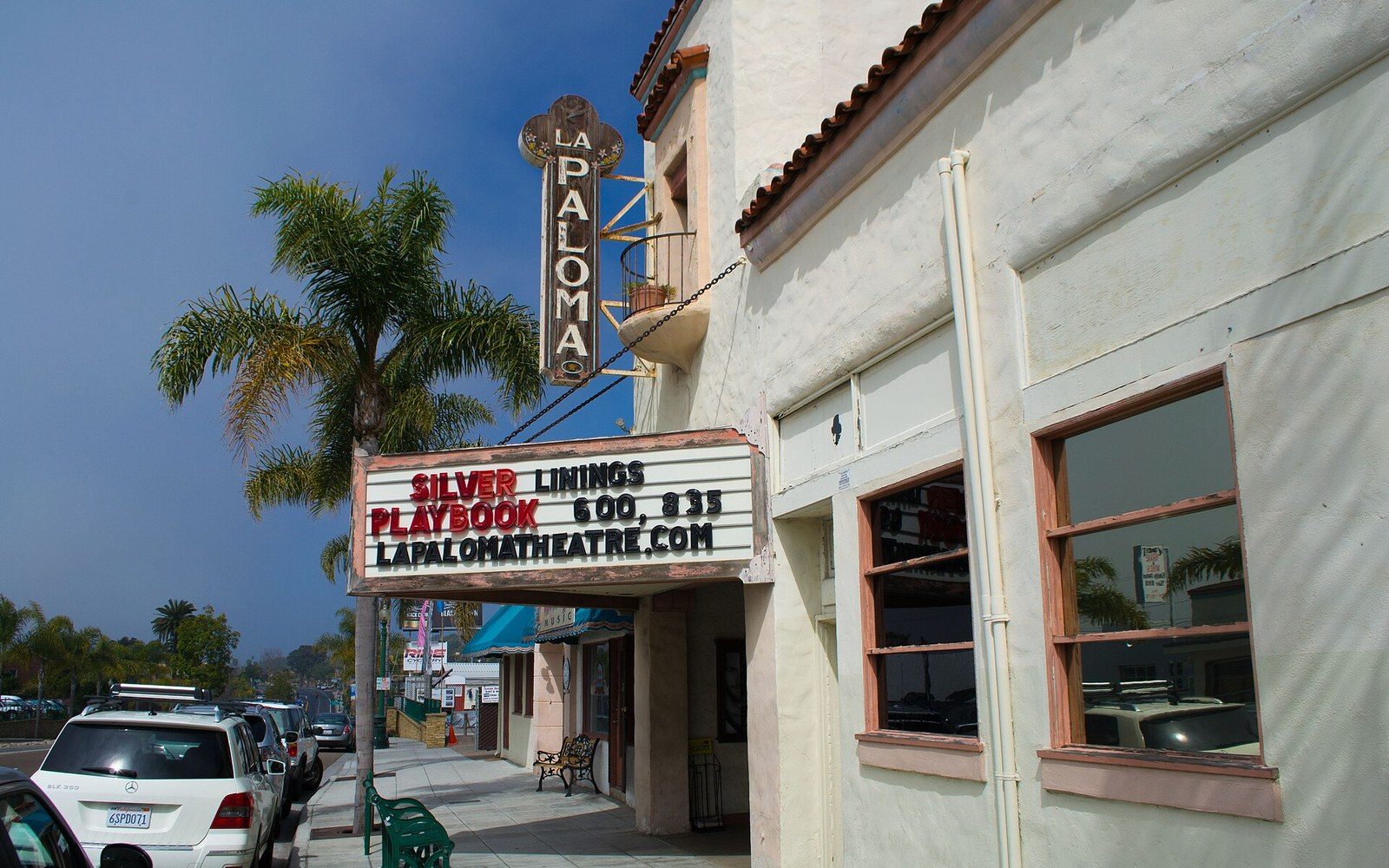
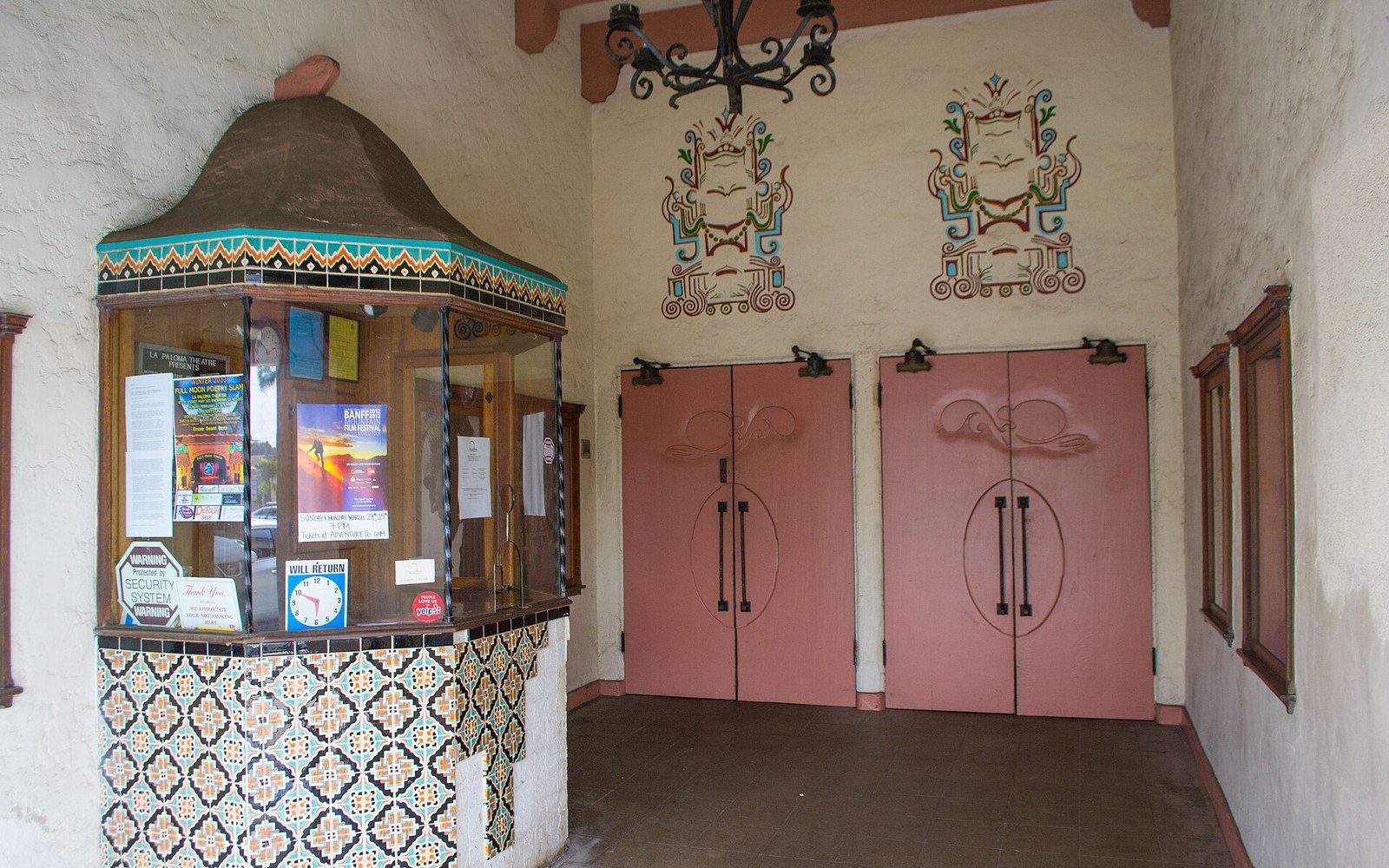 La Paloma, 1928: The Room Surf Cinema Came Home To
 What the San Diego Festival Has Actually Shown
 Byron Bay: Where the Circuit Goes Australian