What August 2016 Changed
Before Part 107 took effect on 29 August 2016, commercial small unmanned aircraft operations in the United States existed in genuine regulatory ambiguity. Productions shooting drone footage for hire — surf films included — had no clear legal framework governing altitude, airspace class, or operator certification. The FAA's Part 107 rule resolved that ambiguity by creating a single, enforceable regime for commercial UAS operations involving aircraft weighing under 55 pounds.
The core requirements are straightforward in outline, demanding in practice. A remote pilot in command must hold an FAA-issued Remote Pilot Certificate, obtained by passing an aeronautical knowledge test at an approved testing centre. Operations are restricted to daylight or civil twilight with appropriate lighting, to a maximum altitude of 400 feet above ground level, and to visual line-of-sight with the aircraft at all times. Flight over people not directly involved in the operation is prohibited without a waiver, and operations in controlled airspace require prior authorisation through the FAA's LAANC system or a formal waiver.
A port, dried between sets.
Photo: Alina Kurson / PexelsHow Surf Productions Adapted
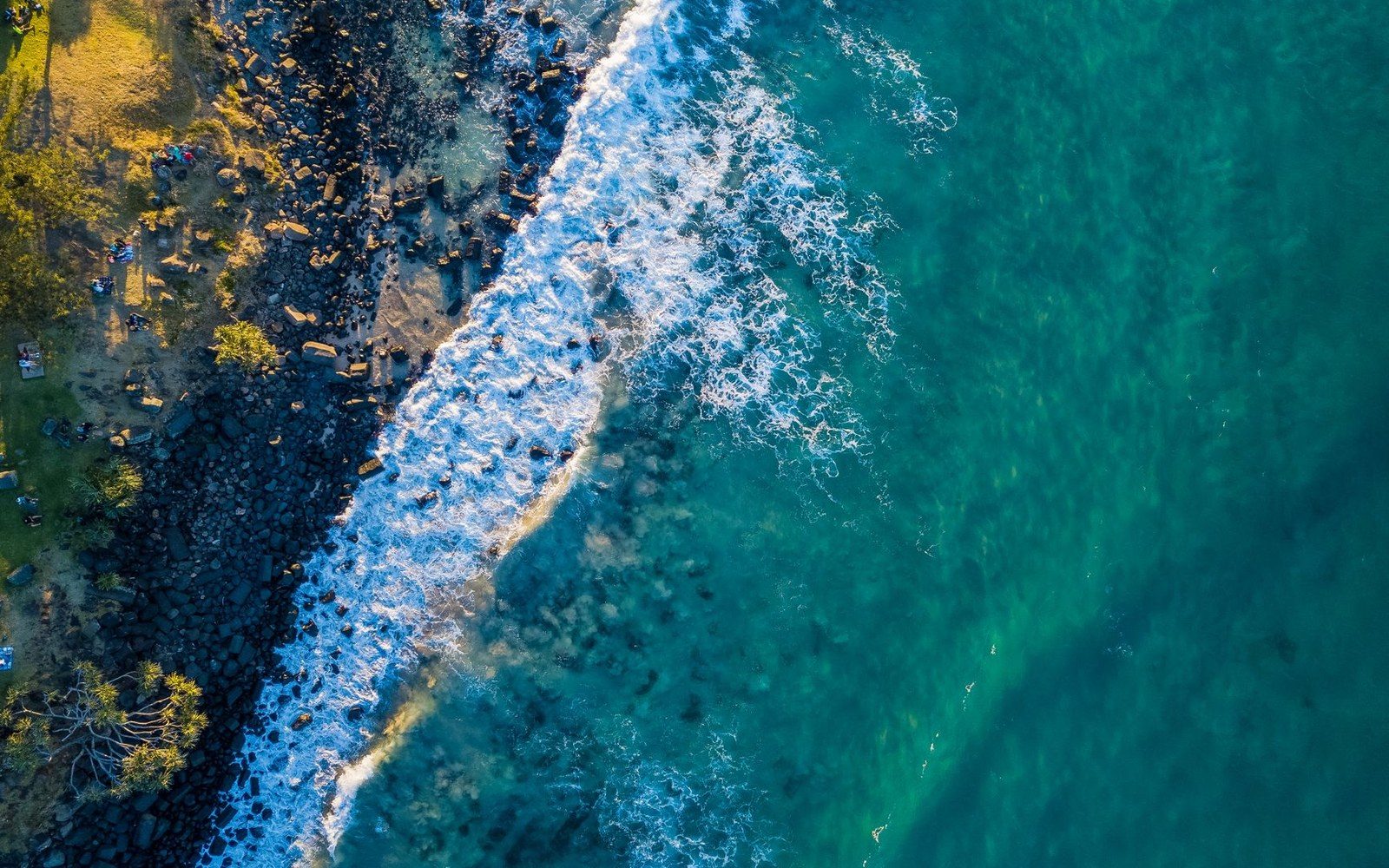
The coastal geography that defines surf cinematography creates specific compliance pressures. Breaks near towered airports — San Diego's own waters sit under the lateral approach paths serving multiple regional facilities — require airspace authorisation before a drone lifts off. Productions filming at locations like Pipeline on Oahu or Teahupo'o in Tahiti must account for the airspace classification of each specific site, which varies and does not automatically permit sub-400-foot operations.
The practical response across the industry has been to separate the drone operator role from the camera operator role. A certificated remote pilot in command handles flight, waiver management and preflight airspace checks; a second crew member manages the camera payload. Larger productions working with Teton Gravity Research or similar companies formalised this division of labour quickly, because they were already operating at scales where regulatory exposure was a real liability. Smaller self-distributing productions faced a harder adjustment: obtaining waivers for complex operations — flying over spectators at a contest site, for instance — requires a detailed safety case submitted to the FAA well in advance.

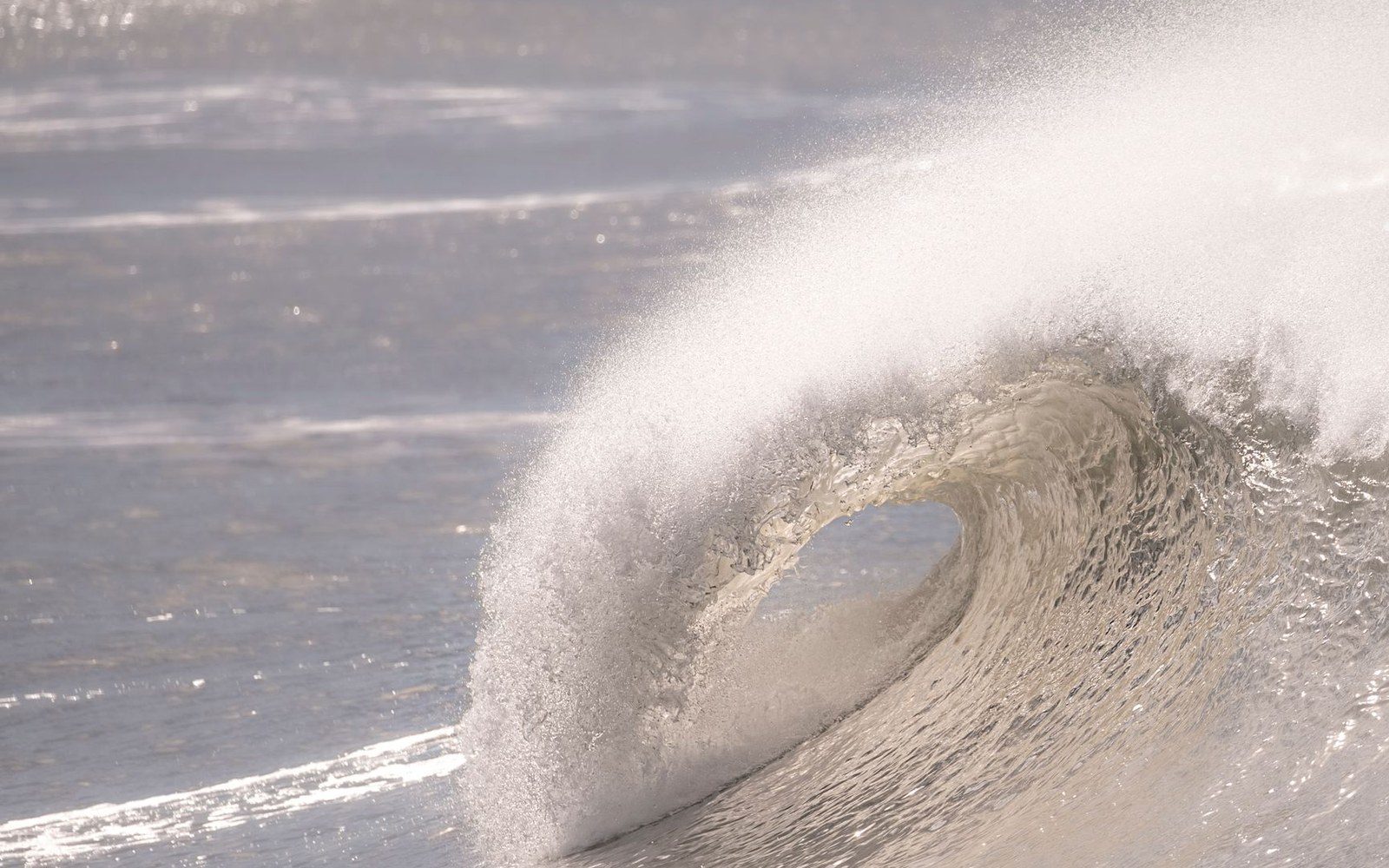
The 70–200 kept the camera dry and gave up the thing water work is for — the frame from inside the wave rather than beside it.
Photo: Maël BALLAND / PexelsPart 107 waivers cover specific prohibited operations and are granted case by case, meaning no blanket approval exists for surf event coverage. The result is a pre-production layer that did not exist before 2016: every drone sequence now begins on paper, in airspace databases, before a camera ever leaves the ground.
Regulation snapshot
| Aircraft weight limit | under 55 lb (25 kg) |
|---|---|
| Maximum altitude | 400 ft above ground level |
| Operator credential | FAA Remote Pilot Certificate (aeronautical knowledge test required) |
| Daylight/civil twilight | required; night operations need a waiver |
| Controlled airspace | requires LAANC authorisation or formal FAA waiver |
| Over-people operations | prohibited without waiver |
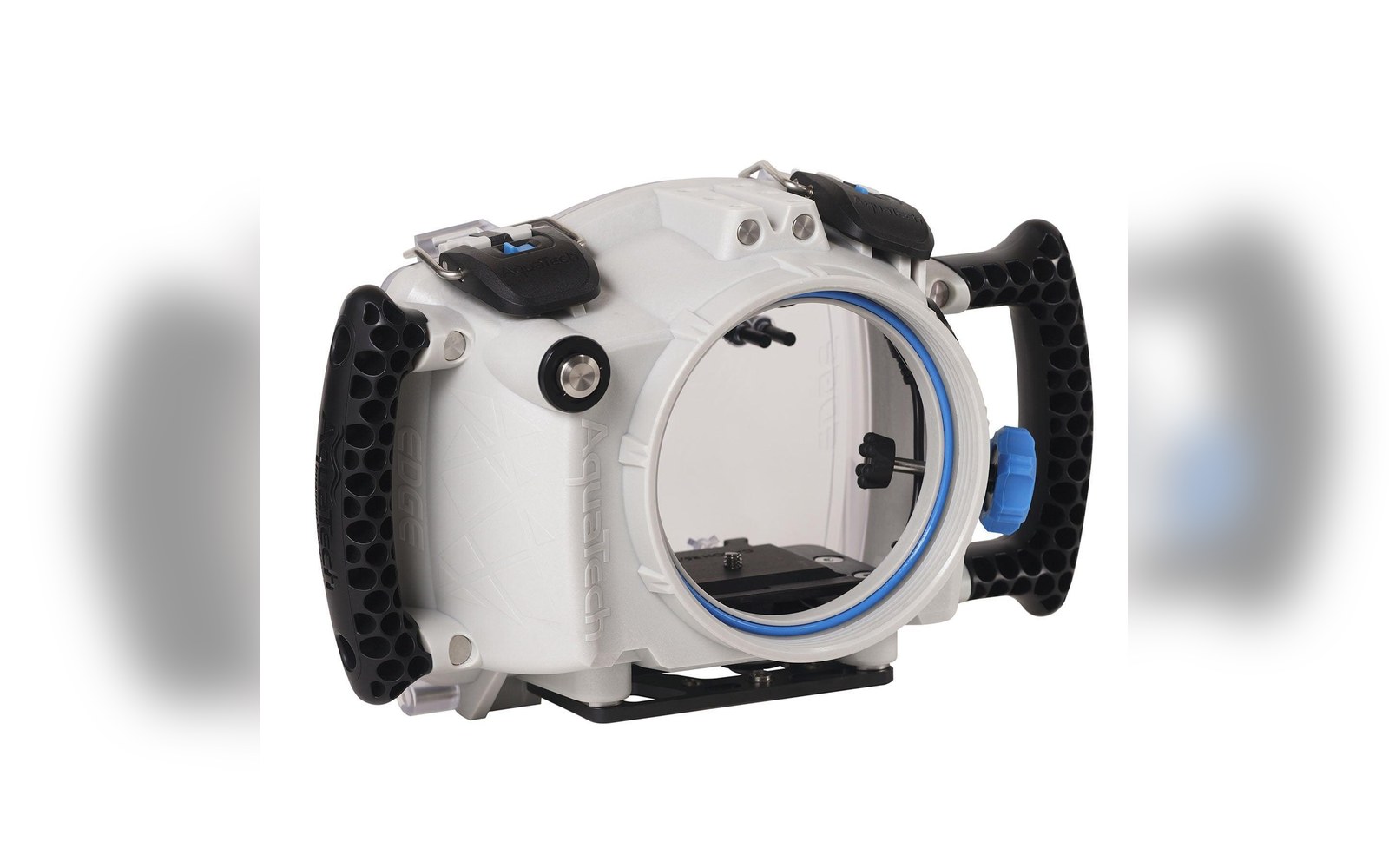 The Box Costs More Than the Camera Inside It
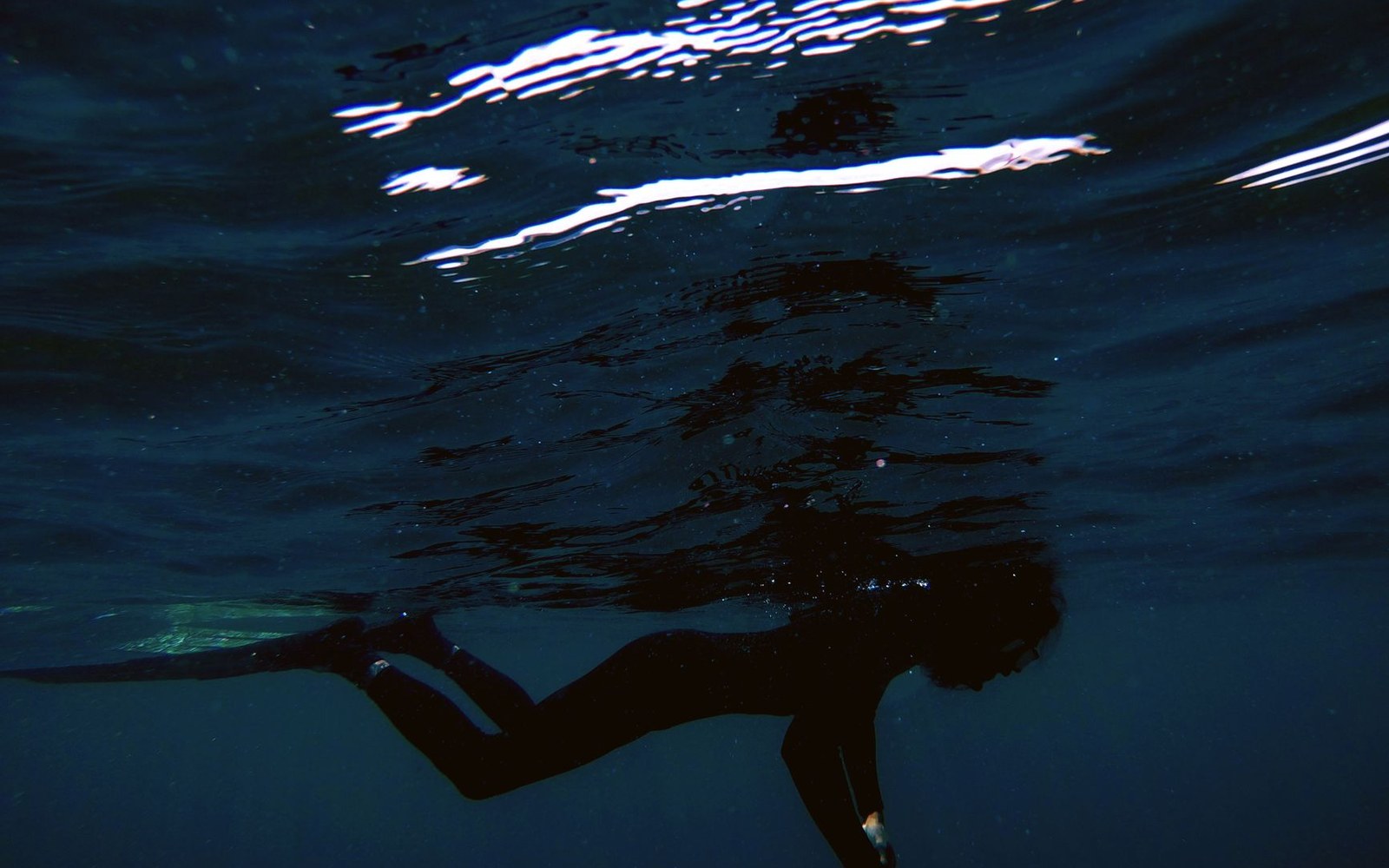 The Swim Is the Equipment
 Chris Bryan and What Happens at 1,500 Frames Per Second