Inside the Wave
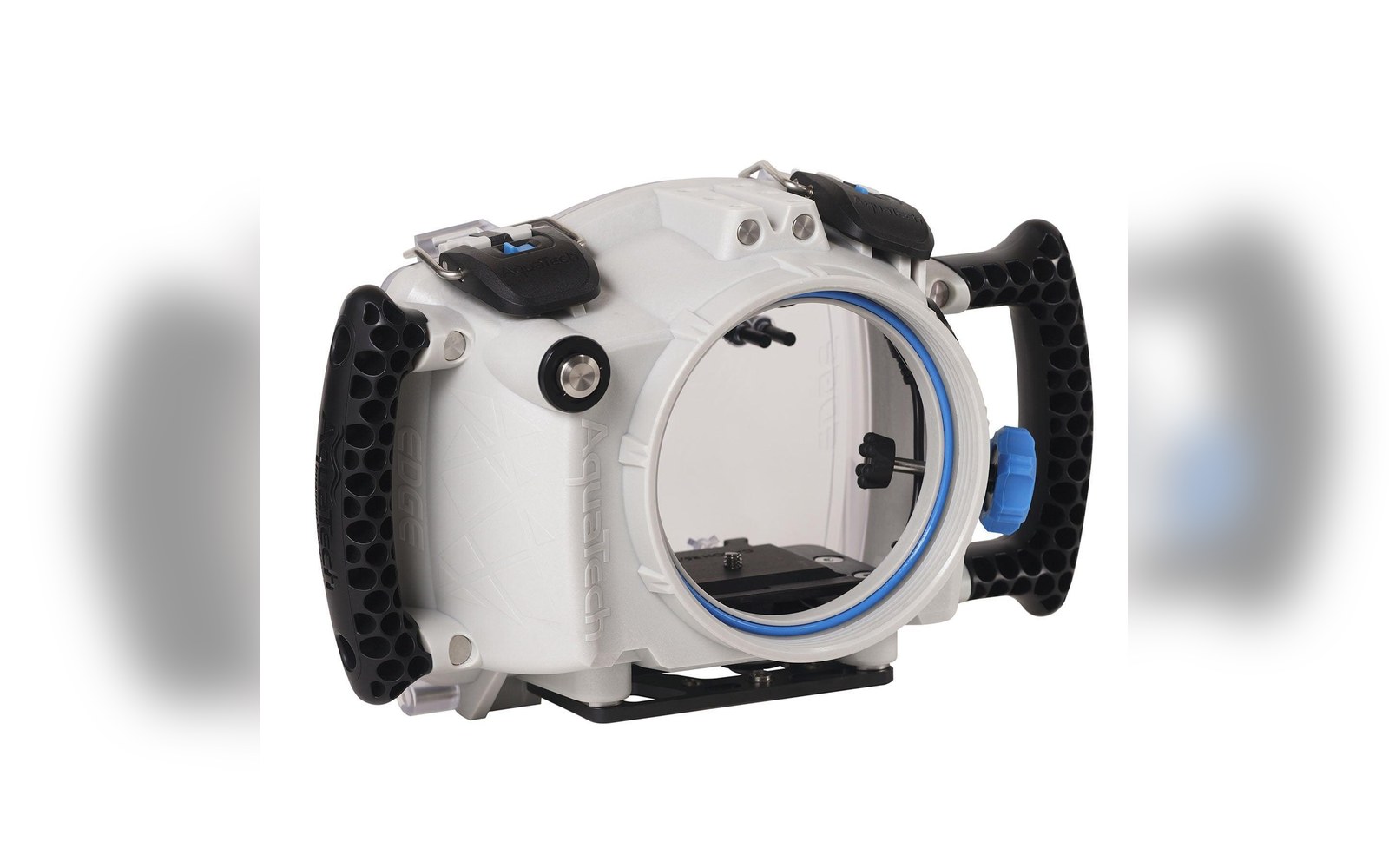
Every frame shot from inside a breaking wave begins with a human decision: enter the water, position under the lip, hold the breath, hold the line. The fisheye lens — that ultra-wide-angle element mounted millimetres from the optical port of a water housing — can render the curved interior of a barrel with extraordinary fidelity. But it can only do that from a specific place inside a specific wave, and reaching that place is a physical act no camera system automates.
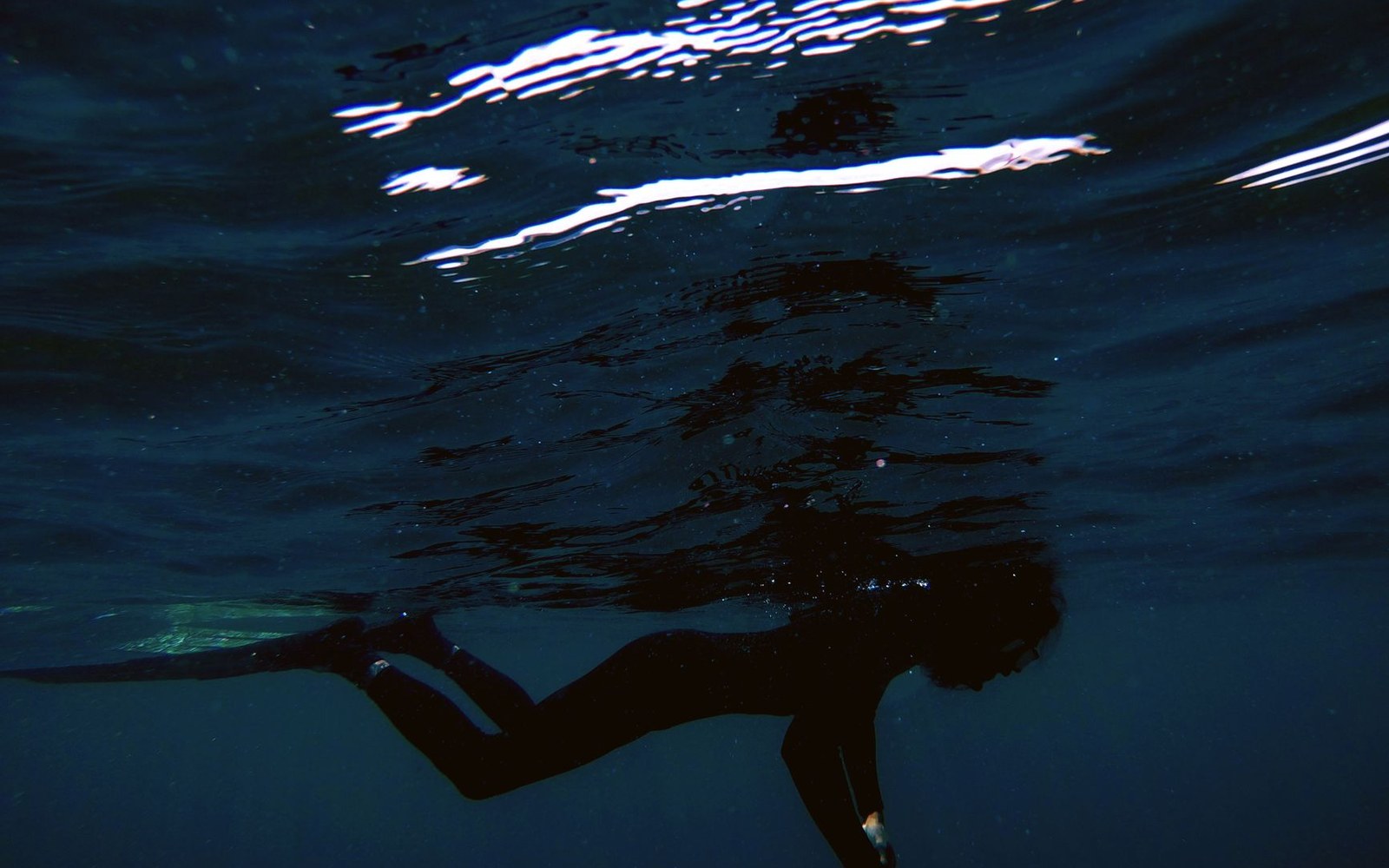
Water cinematographers work with swim fins built for short bursts of speed and precise lateral movement, not endurance laps. The fins generate enough thrust to chase a breaking section or drive clear of a closeout, but the essential skill is positioning before the wave arrives — reading a set from outside, timing a paddle into the impact zone, and arriving at the correct depth as the lip throws. That sequence depends entirely on breath-hold capacity. A cinematographer who surfaces too early misses the barrel's interior entirely. One who misjudges depth risks being driven into the reef.
A port, dried between sets.
Photo: Alina Kurson / Pexels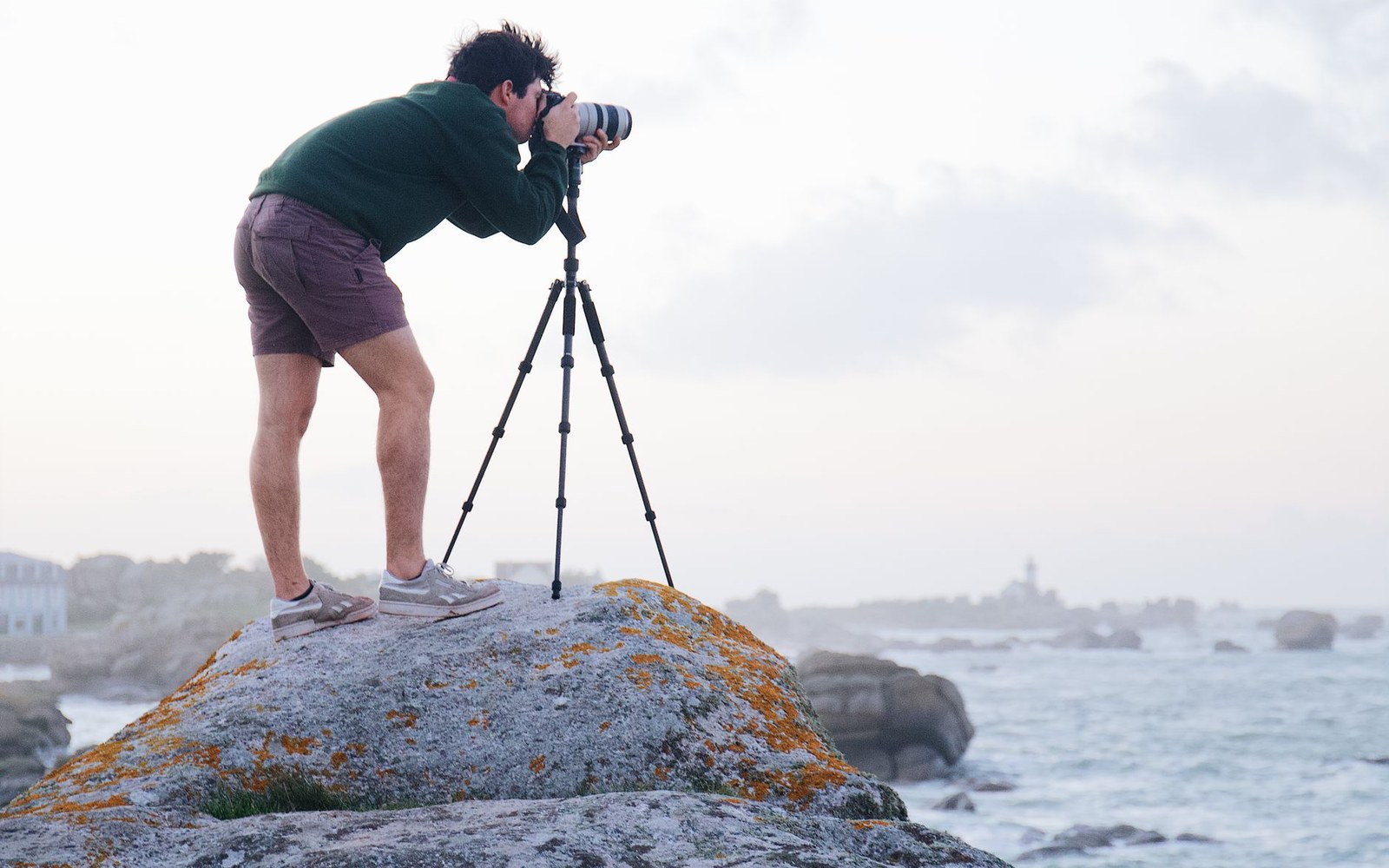
The 70–200 kept the camera dry and gave up the thing water work is for — the frame from inside the wave rather than beside it.
Photo: Maël BALLAND / PexelsChris Bryan's high-speed water work makes the physical demand concrete: shooting at frame rates as high as 1,500 frames per second with a camera system that weighs considerably more than a standard housing, Bryan must still achieve and hold position inside moving water. The camera's mass works against the swimmer on every axis.
The result is that breath-hold training and ocean reading function as genuine equipment — constraints that shape what can be photographed as surely as sensor size or port geometry do. Footage of a deep, slow-peeling barrel at Teahupo'o, Tahiti is not simply a function of a fast lens or a fast camera; it is a function of a swimmer willing and able to enter water moving at speed over a very shallow reef, hold a position, and exhale on the way out. The fisheye lens gets the credit in reviews. The fins and lungs did the harder work.
Technique in brief
| water housing | the waterproof enclosure protecting the camera; its optical port is the only part that meets the water optically |
|---|---|
| fisheye lens | ultra-wide-angle element used inside the barrel, capturing the curved interior from centimetres away |
| breath-hold | the cinematographer's time underwater without breathing apparatus; directly limits repositioning between waves |
| optical port | the dome or flat glass element through which the lens shoots; its geometry affects distortion and sharpness |
 The Box Costs More Than the Camera Inside It
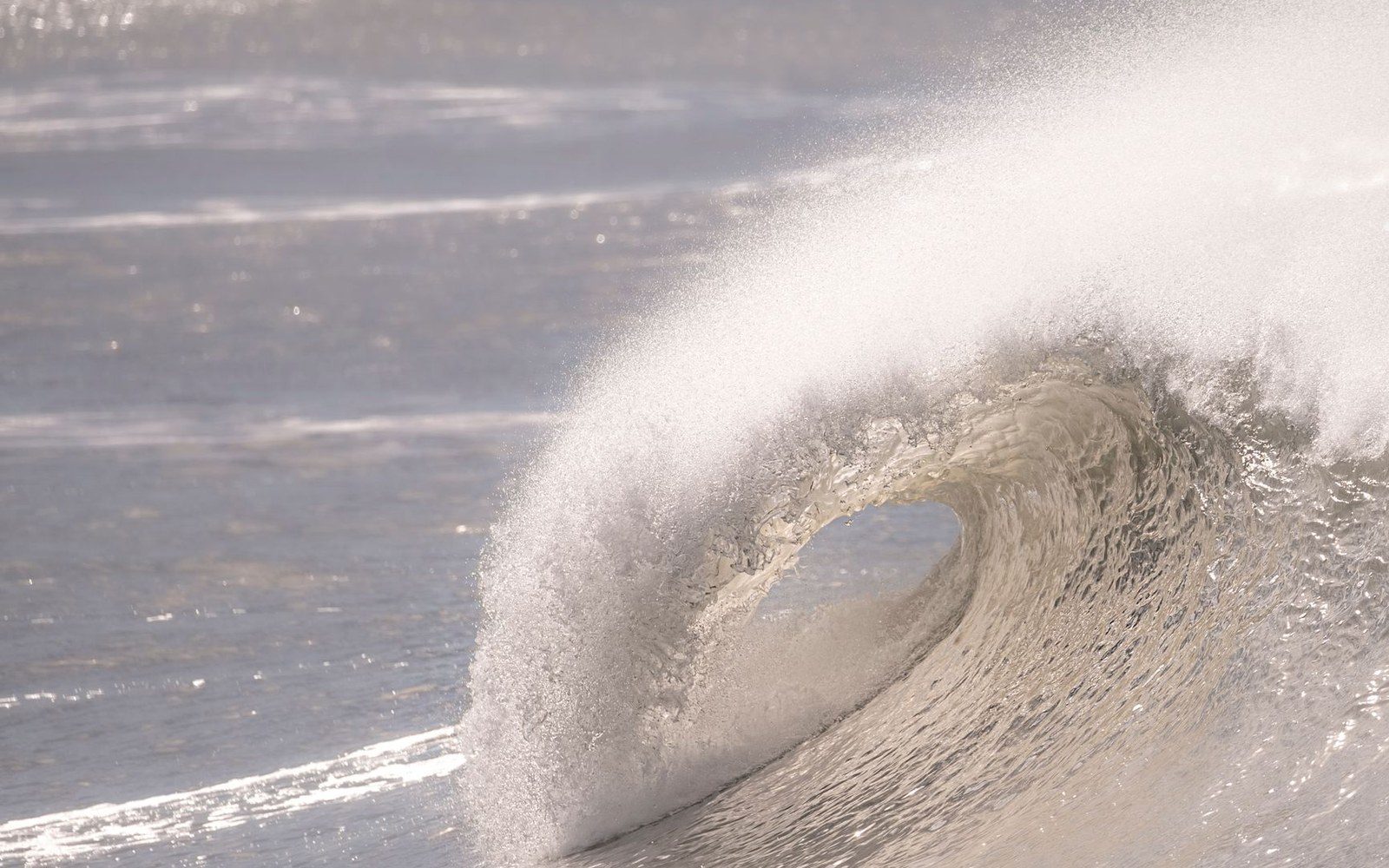 Chris Bryan and What Happens at 1,500 Frames Per Second
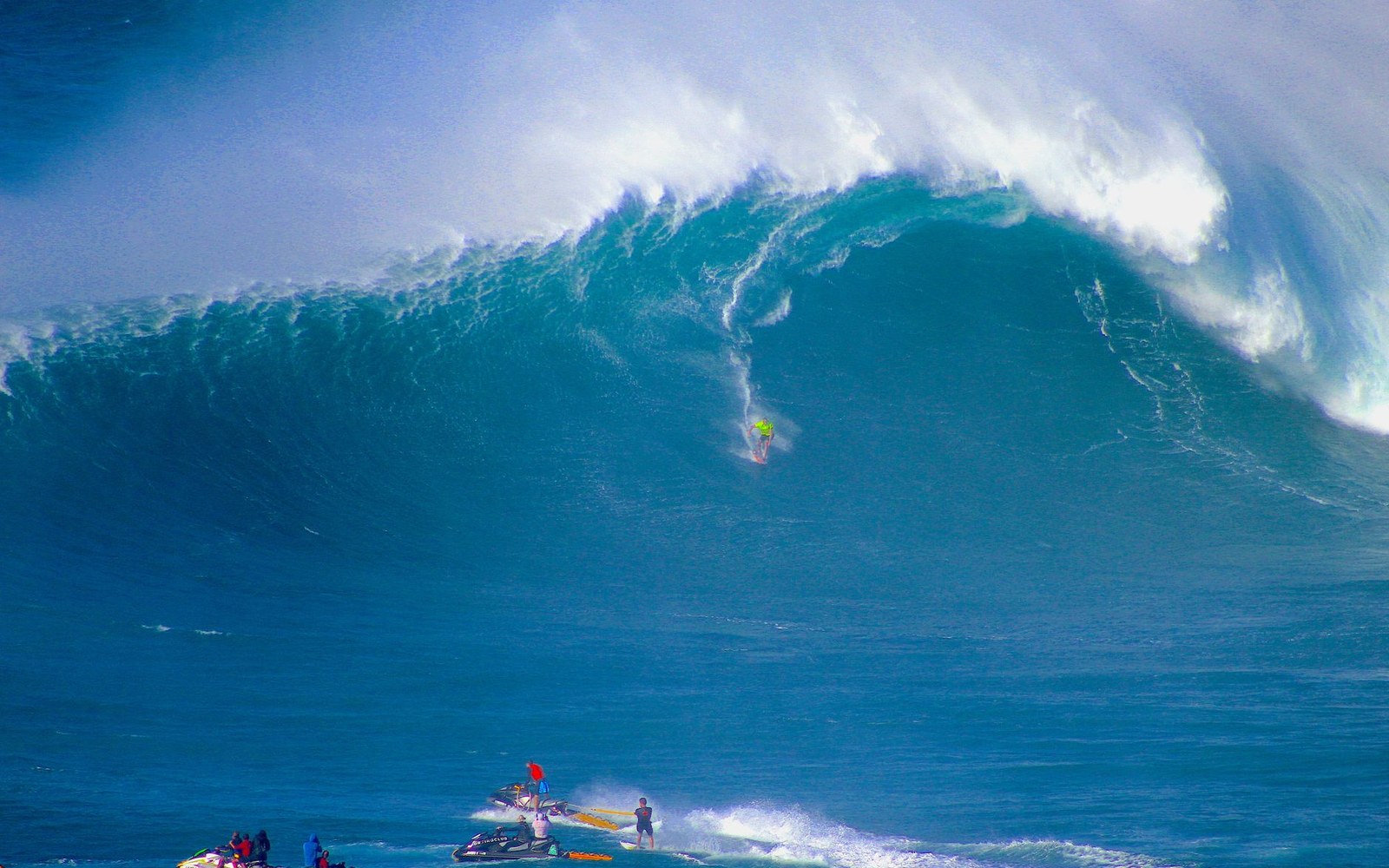 Jack McCoy Shot from a Ski Before Anyone Called It Coverage