How the Method Took Shape
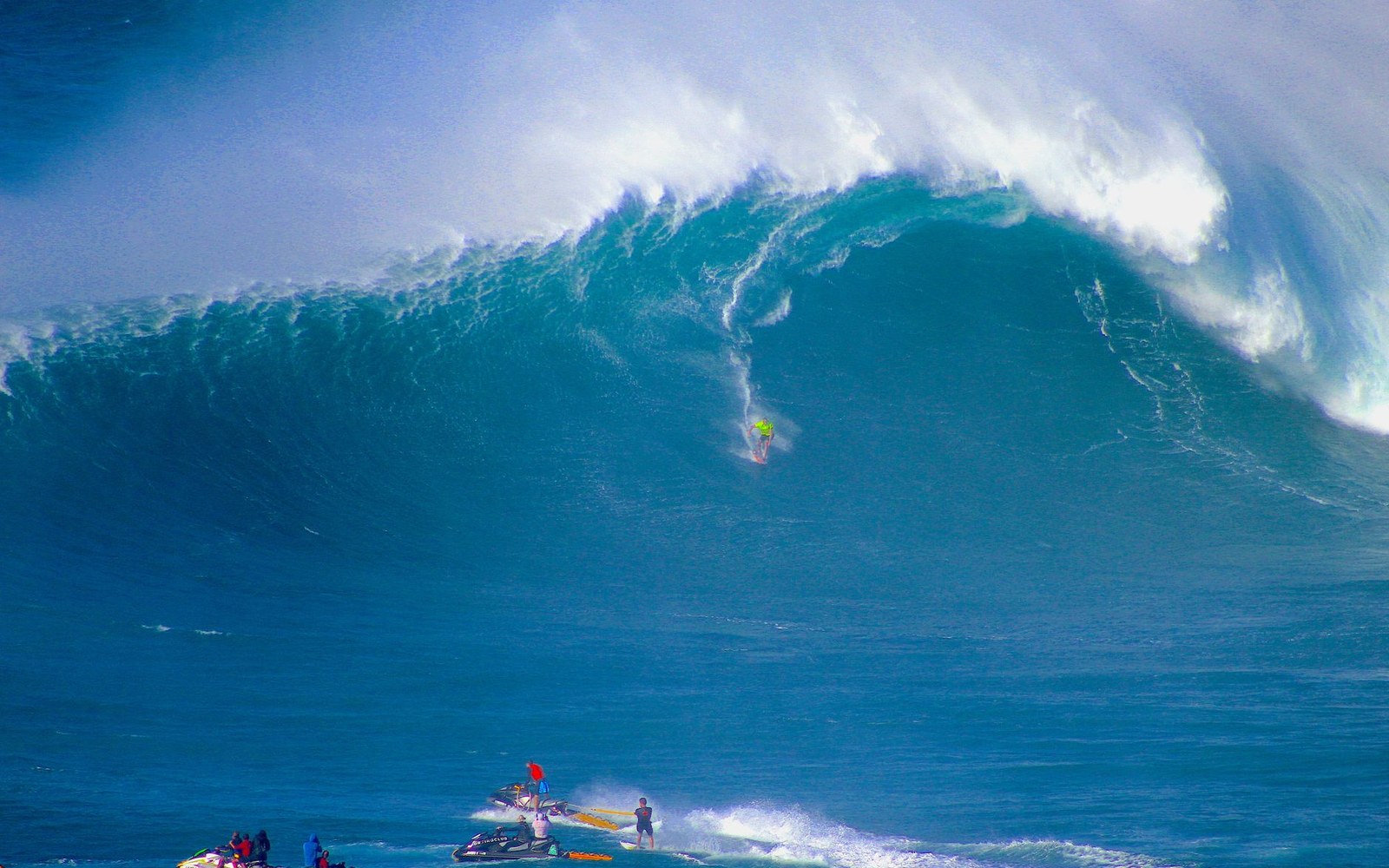
Jack McCoy spent decades working in surf cinema before the vocabulary for what he was doing had fully formed. Filming at breaks like Pipeline on Oahu's North Shore and Teahupo'o in Tahiti, McCoy recognised a problem that shore-based and in-water cinematographers had long accepted as fixed: the biggest, most consequential waves were simply unreachable on foot or by swimming. A camera operator in the water at a wave of consequence was either too close to survive the shot or too far away to make it useful. Shore angles at Pipeline compressed the wave face; they flattened the vertical drama that anyone who had seen the break in person understood immediately.
The jet ski changed the geometry. As a mobile platform, it could position a cinematographer at mid-channel — close enough to fill the frame with a surfer inside a barrel, far enough to remain outside the break zone when the set arrived. McCoy refined this method across productions that spanned the 1980s and 1990s, developing an instinct for throttle timing, wave reading and lens selection that no written protocol could have replaced. The physical skill required was substantial: a jet ski operator and a camera operator working in close coordination, with the machine repositioning between waves in conditions that punished any error.
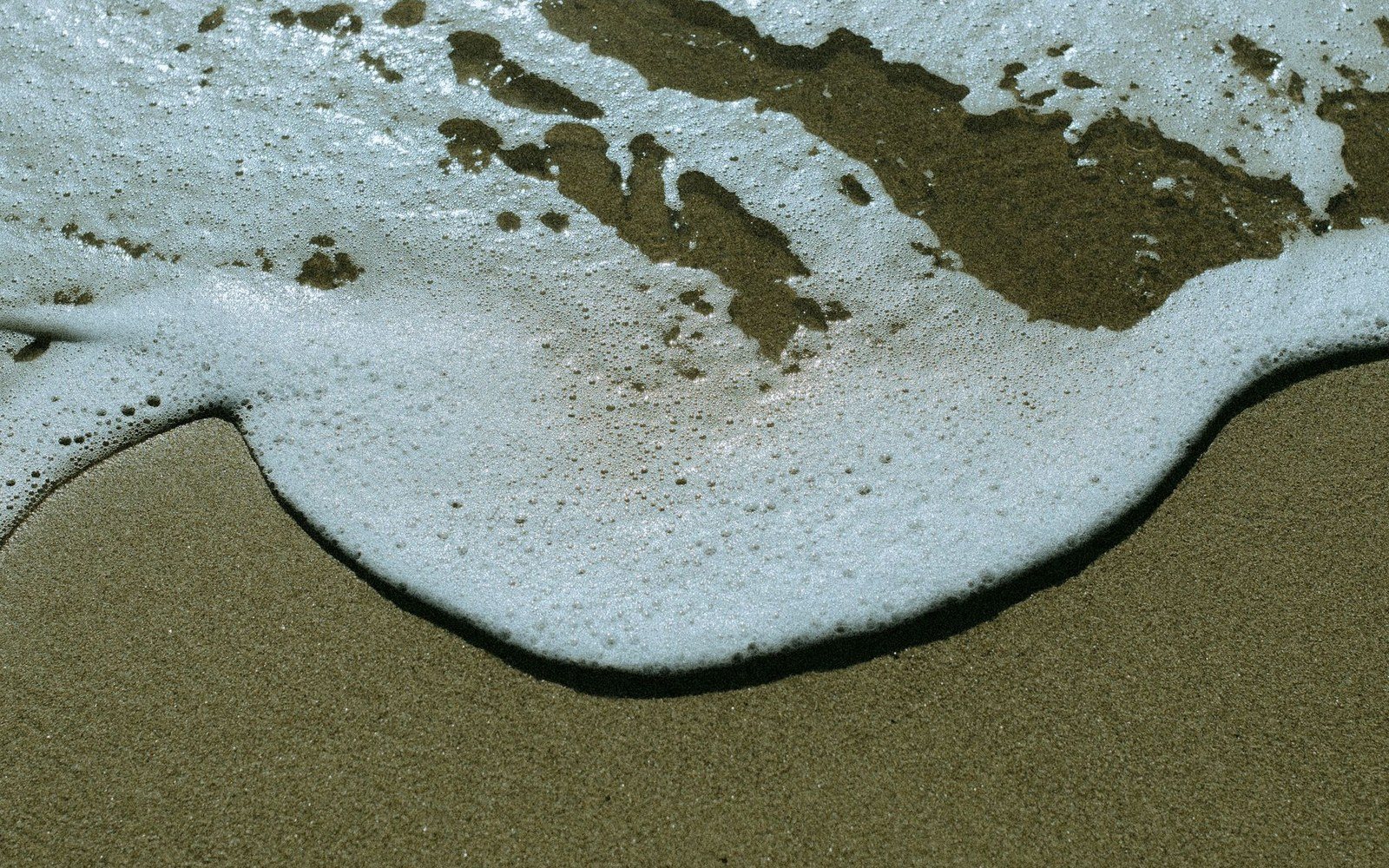
A port, dried between sets.
Photo: Alina Kurson / Pexels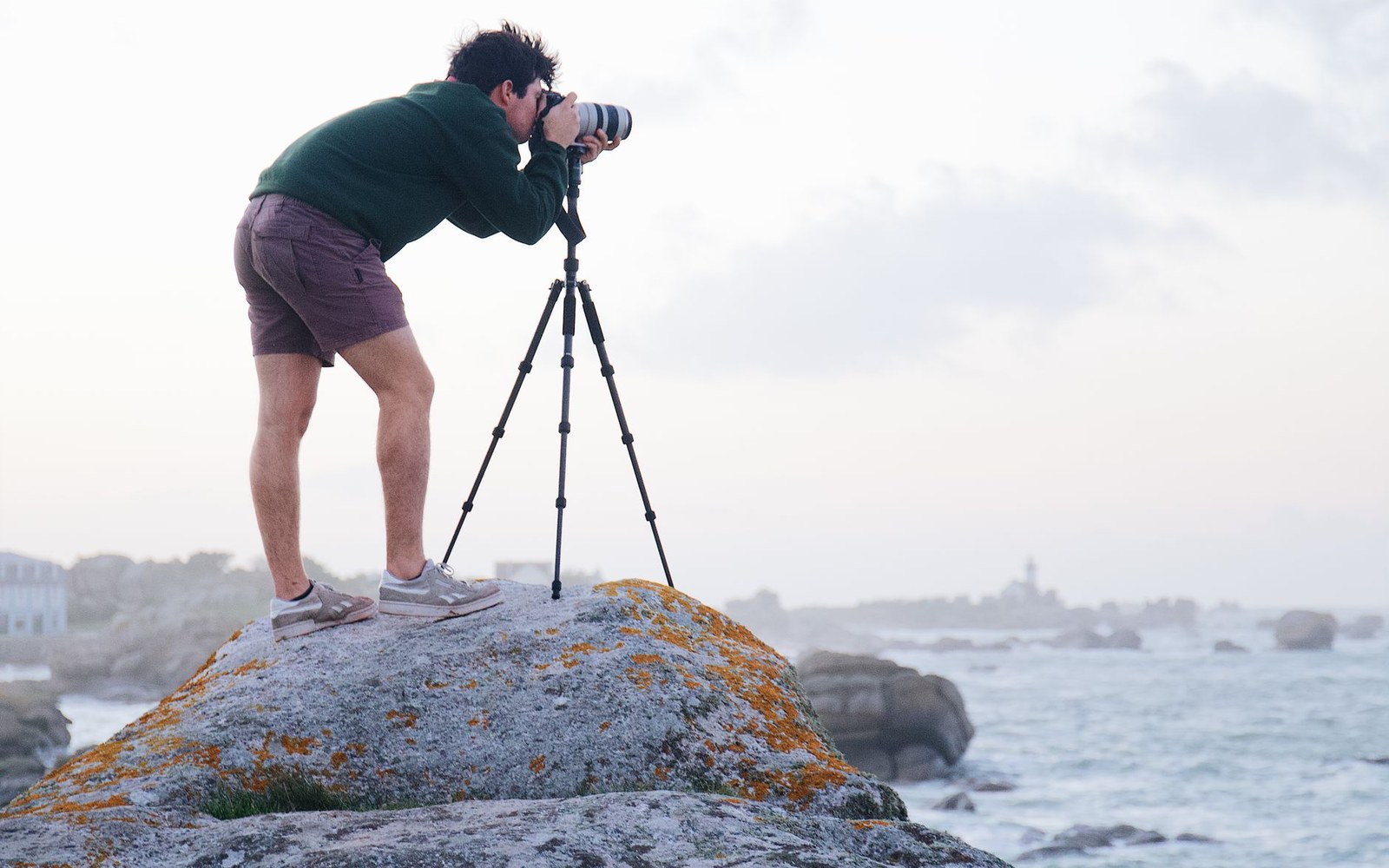
The 70–200 kept the camera dry and gave up the thing water work is for — the frame from inside the wave rather than beside it.
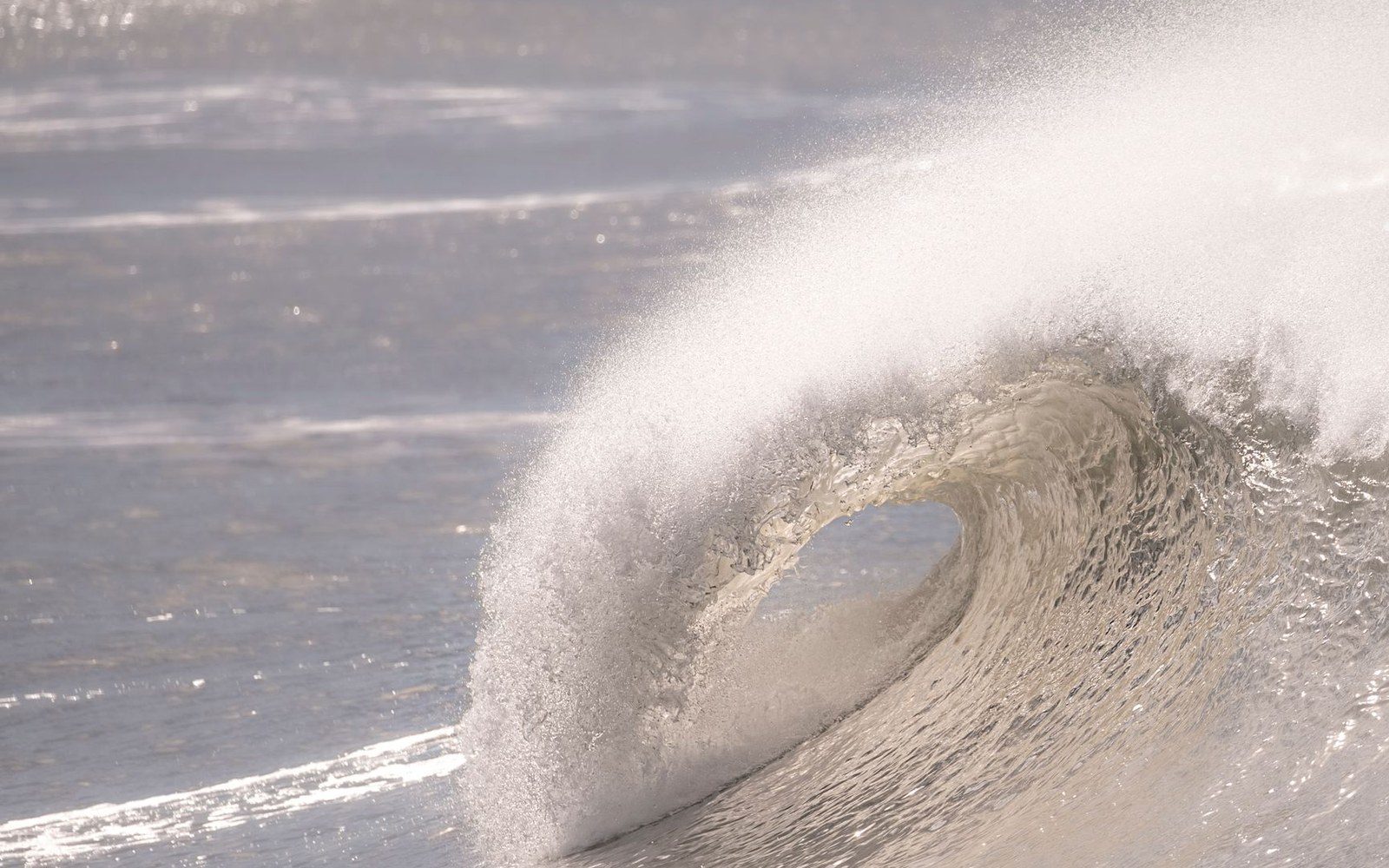
Photo: Maël BALLAND / PexelsPipeline, on Oahu's North Shore, presents a particular challenge for cinematography because the wave breaks over a shallow reef close to shore, producing a steep, fast-moving barrel that crests and closes in seconds. Shore cameras capture the profile; only a platform that can sit at the channel mouth captures the hollow interior at the angle that conveys what the wave actually is. McCoy's work at that break produced footage that changed what audiences and other filmmakers understood to be possible — waves rendered with a depth and immediacy that flat-angle telephoto shooting from the beach could not approach.
The technique he established became the jet-ski camera platform that subsequent cinematographers treated as standard. By the time big-wave filmmaking formalised its own vocabulary — tow-in surfing at Teahupo'o, the safety protocols that organisations began to codify — the method was already embedded in the genre's practice. McCoy did not name it. He simply showed up at breaks where the waves were too large for the alternatives and worked out, wave by wave, how to hold position and hold focus at the same time. The footage answered the question of whether the approach was valid. It was.
Chronology of the method
- 1980s–1990sMcCoy develops jet-ski camera positioning across North Shore and international productions
- Pipeline, Oahuprimary proving ground; short reef-to-shore distance makes shore-angle compression the central problem the method solves
- Teahupo'o, Tahitisecond major venue; deep-water channel makes ski positioning safer than at many comparable breaks
- Post-McCoyjet-ski platform adopted as genre standard; tow-in surfing era formalises the method further
 The Box Costs More Than the Camera Inside It
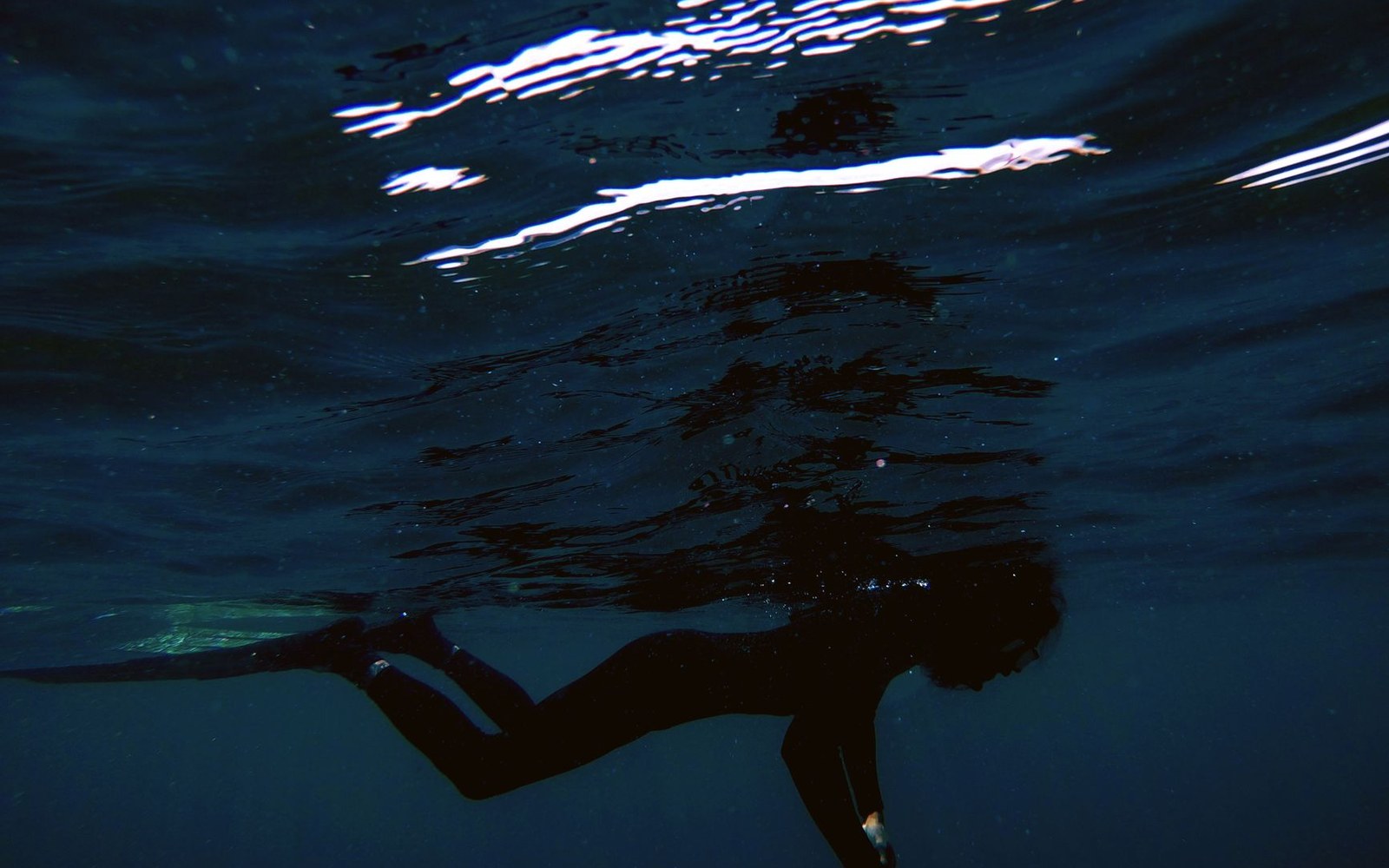 The Swim Is the Equipment
 Chris Bryan and What Happens at 1,500 Frames Per Second