The Breaks and Their Films
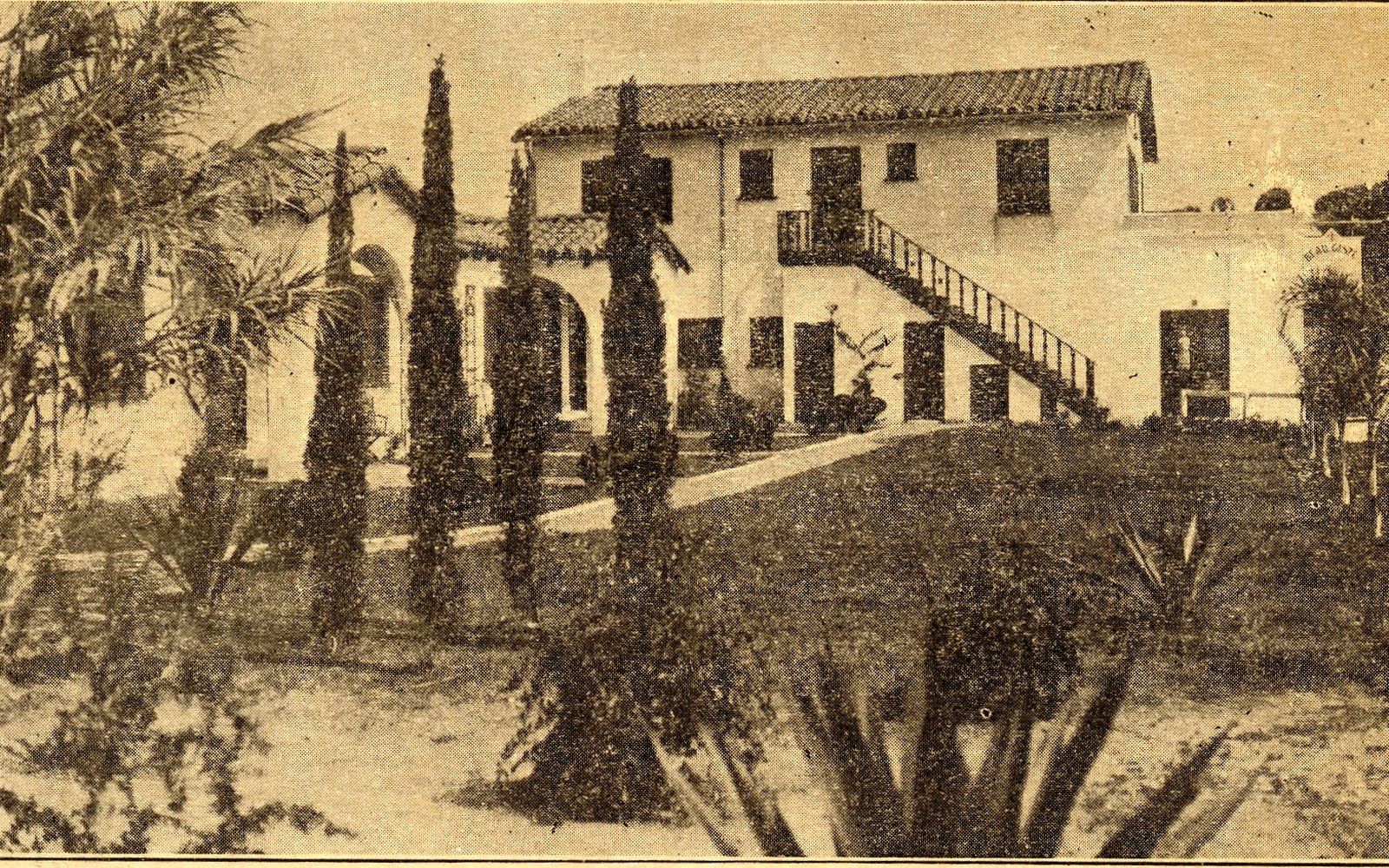
Swami's, the reef point below the Self-Realization Fellowship ashram in Encinitas, appears in surf film not because it produces the world's largest waves but because it produces reliable, shapely right-handers that photograph cleanly from the bluffs above. The view from that cliff — shooter elevated, wave peeling right to left across the frame — became one of the compositional signatures of early California surf cinema. Footage of Swami's has appeared in regional productions across several decades, and the break's visual distinctiveness, framed by the temple gardens on the headland, makes it identifiable even in uncredited archival material.
Cardiff Reef, a cobblestone reef break sitting a short distance south, draws cinematographers for different reasons. The wave breaks in relatively shallow water and offers long rides on a moderate swell, giving a camera operator onshore time to follow a surfer across a sustained section. The reef's position relative to the San Diego coastline also places it within easy reach of the shapers and surfers who have shaped the region's board-building culture — names like Rusty Preisendorfer and the operations behind Channel Islands Surfboards and Bing Surfboards have all been connected to this stretch of water, and footage of local surfers testing new designs at Cardiff has turned up in both formal productions and self-distributed reels.
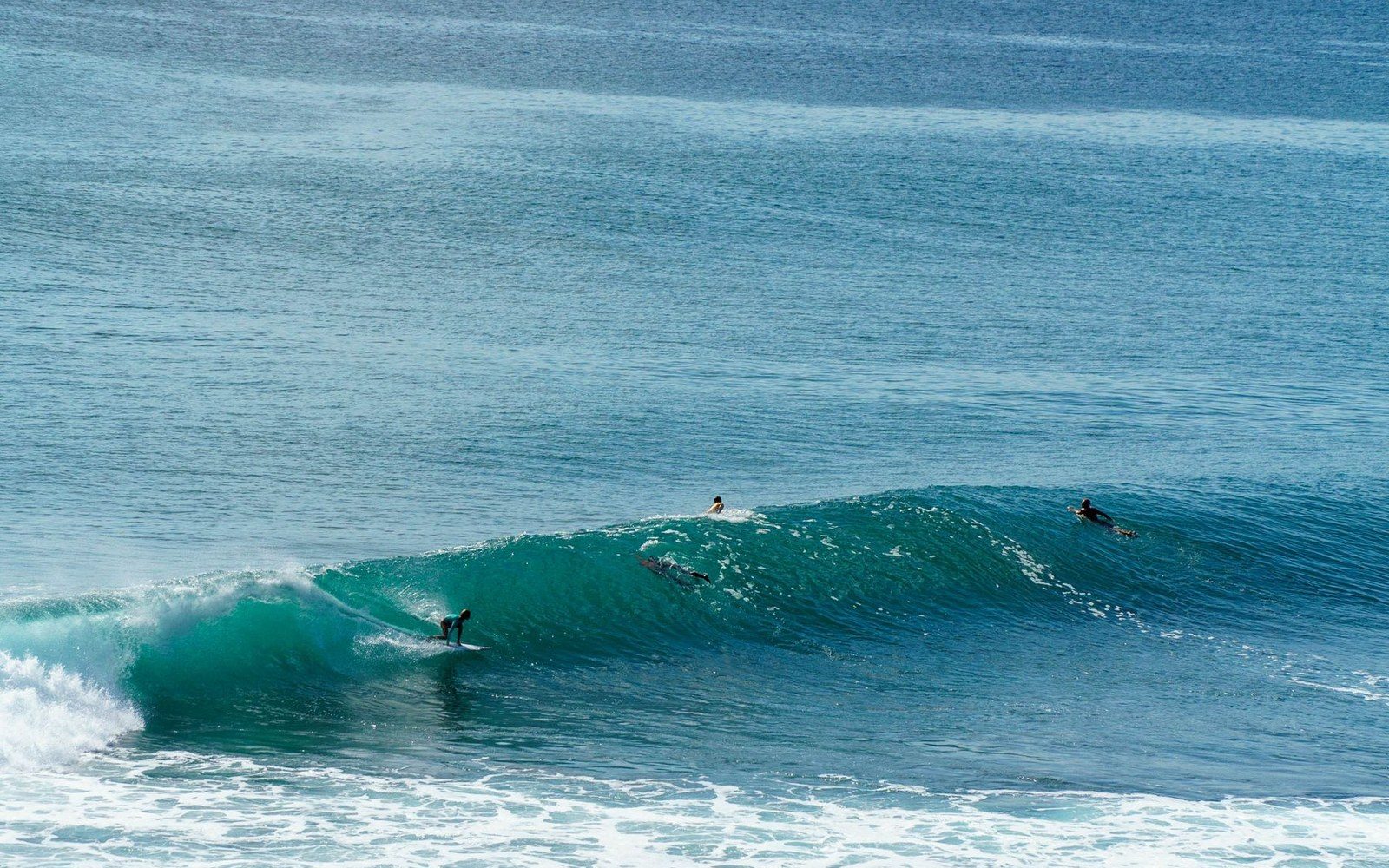
A set at Swami's, from the bluff.
Photo: Lucien Schreiber / Pexels
Board design decided what a camera could catch: a shorter, looser board put manoeuvres in front of a lens that had been framed for trim.
Photo: Harold Granados / PexelsBlacks Beach, below the cliffs of Torrey Pines in La Jolla, presents a different logistical problem for any cinematographer: access. Reaching the break requires a descent down unstable sandstone cliffs, and shooting from water level means committing to a swim with gear through a shore break that discourages casual entry. That physical barrier has historically limited coverage, but it has also meant that footage shot at Blacks carries a quality of earned perspective. The water housing required for in-ocean work here is the same sealed enclosure system used at heavier breaks worldwide — the geography simply demands that the cinematographer also handle the approach alone.
Windansea Beach in La Jolla operates differently again. A shallower reef, more photogenic from the sand, it appears in archival California surf footage reaching back to the early 1960s. The La Paloma Theatre in Encinitas — itself a consistent venue for surf film screening — sits close enough to this cluster of breaks that the audience watching footage of these spots has often been drawn from the same community that surfs them. The loop between location, production and exhibition closes unusually tight here.
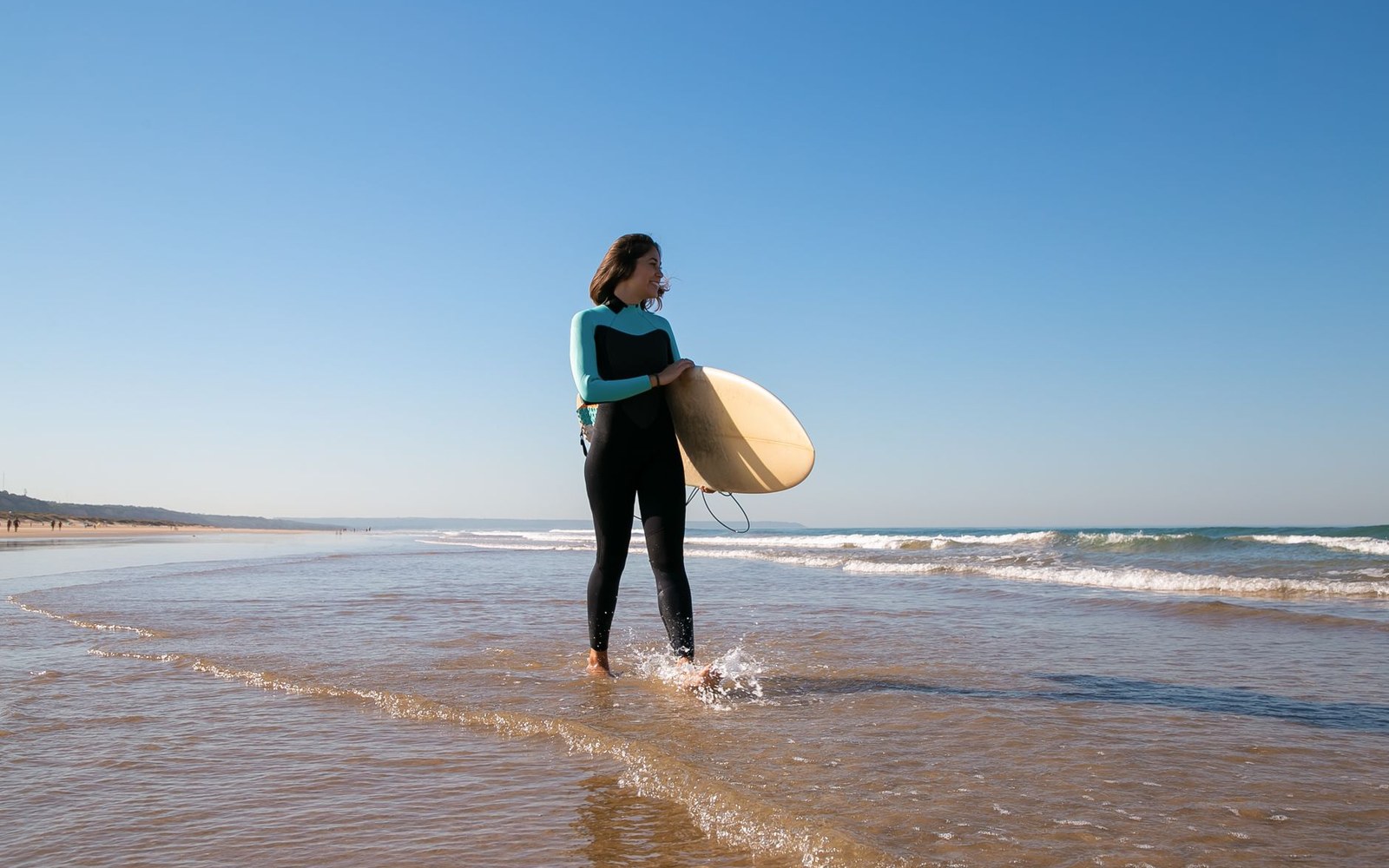
Almost every surf film opens on some version of this frame, which is why the good ones are careful about how long they hold it.
Photo: Kampus Production / PexelsGeography as Recurring Argument
What connects Swami's, Cardiff Reef, Blacks and Windansea is not spectacular size — none of them regularly produces waves on the scale of Pipeline, Oahu or Teahupo'o. What they offer is variety in a compact corridor: a point, a cobblestone reef, a cliff-access beach break, a sand-and-reef mix, all within a short stretch of the San Diego coastline. For a documentary crew based in the region, that density of options within a single day's drive makes these breaks economically and logistically attractive in a way that far more dramatic locations simply are not.
The result is a body of film geography that accumulates meaning over time. When Cardiff Reef or Swami's appears in a recent production, it arrives carrying decades of prior footage — a visual reference that the genre's literate audience recognises immediately. The breaks have become argument as well as location: evidence that world-class surf cinema does not require a flight to Tahiti, only a descent to the waterline at the right hour, with the right equipment, in a county that has been producing both surfers and filmmakers for longer than the genre has had a name.
Breaks at a glance
| Swami's | right-hand reef point, Encinitas; bluff-top camera position; identifiable by ashram gardens on headland |
|---|---|
| Cardiff Reef | cobblestone reef, moderate swell; long rideable sections; shapers' testing ground |
| Blacks Beach | La Jolla, below Torrey Pines cliffs; cliff-descent access; limited coverage, earned perspective |
| Windansea Beach | La Jolla; sand-and-reef mix; visible in archival California footage from early 1960s onward |
 The Shapers Who Built What the Films Were Riding
 The Tijuana River Outflow and the Reporting That Followed It