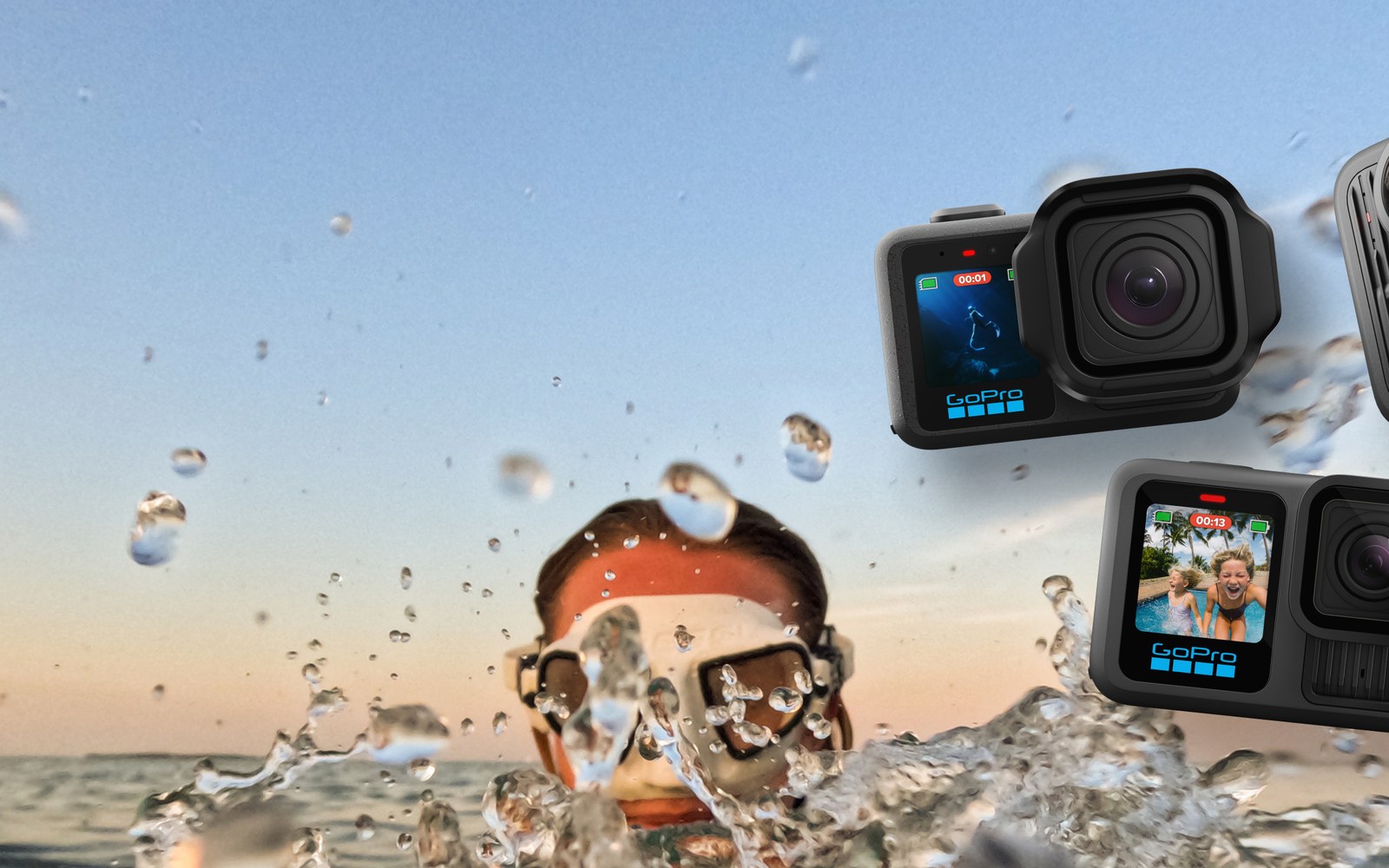
From Wrist Strap to Water Housing
Nick Woodman founded GoPro in 2002 after a surf trip to Australia and Indonesia, where he wanted a way to photograph himself riding waves without hiring a photographer. His original solution was a 35mm film camera strapped to the wrist — not a digital device, not a cinema tool. The first GoPro product sold in 2004 was exactly that: a wrist-mounted still camera with a plastic housing, built specifically for surfers. The company only moved to digital video with the Digital HERO line shortly after, and the shift proved decisive.
What changed for surf cinema was not simply image quality but placement. A GoPro could go where no cinema camera could previously follow — strapped to the nose of a board, mounted inside a fin box, fixed to a helmet, clipped to the chest of a paddler. These positions had existed conceptually; the hardware to occupy them safely and cheaply had not. Professional water housings for conventional cinema cameras cost thousands of dollars and demanded a skilled operator. A GoPro housing cost a fraction of that and needed no dedicated crew member behind it.

A port, dried between sets.
Photo: Alina Kurson / Pexels
The 70–200 kept the camera dry and gave up the thing water work is for — the frame from inside the wave rather than beside it.
Photo: Maël BALLAND / PexelsWhat the Angle Did to the Aesthetic
The fisheye lens GoPro shipped as standard was not an accident — it matched the visual grammar surf filmmakers had already developed for barrel cinematography, where an ultra-wide-angle captures the curved interior of a wave from close range. But the GoPro made that angle available to any surfer with a mounting clip, which meant the perspective shifted from camera operator to subject. The surfer became simultaneously the rider and the point of origin of the image. First-person barrel footage entered surf films and social media at volume.
That democratization had direct consequences for who appeared in films. Amateur and semi-professional surfers could contribute usable footage from their own sessions, and lower-budget productions began assembling features partly from self-shot material. The device also expanded the visible geography of the genre: lesser-known breaks around Encinitas and elsewhere along the coast that rarely justified a full crew could now generate publishable footage from any committed regular.
The GoPro HERO line's technical evolution through progressively higher frame rates also fed the genre's appetite for slow-motion, adding another tool alongside dedicated high-speed cinema rigs. The aesthetic consequences — saturation, the wide barrel perspective, the subject-as-operator — remain visible in surf film production more than two decades after Woodman strapped a camera to his wrist on a beach in Australia.
What the hardware changed
| Placement | camera positions on the board, fin box, helmet and chest previously impractical at cinema scale |
|---|---|
| Cost barrier | professional water housing versus consumer GoPro mount, a fraction of the price |
| Operator model | surfer as both subject and camera operator, replacing a dedicated crew member |
| Geographic reach | smaller, less-documented breaks become filmable without full production budgets |
Chronology
- 2002Nick Woodman founds GoPro following a surf trip to Australia and Indonesia
- 2004First GoPro product (wrist-mounted 35mm still camera) goes on sale
- Shortly after 2004Company pivots to digital video with the Digital HERO line
- 2016 onwardGoPro HERO models reach frame rates relevant to slow-motion surf work
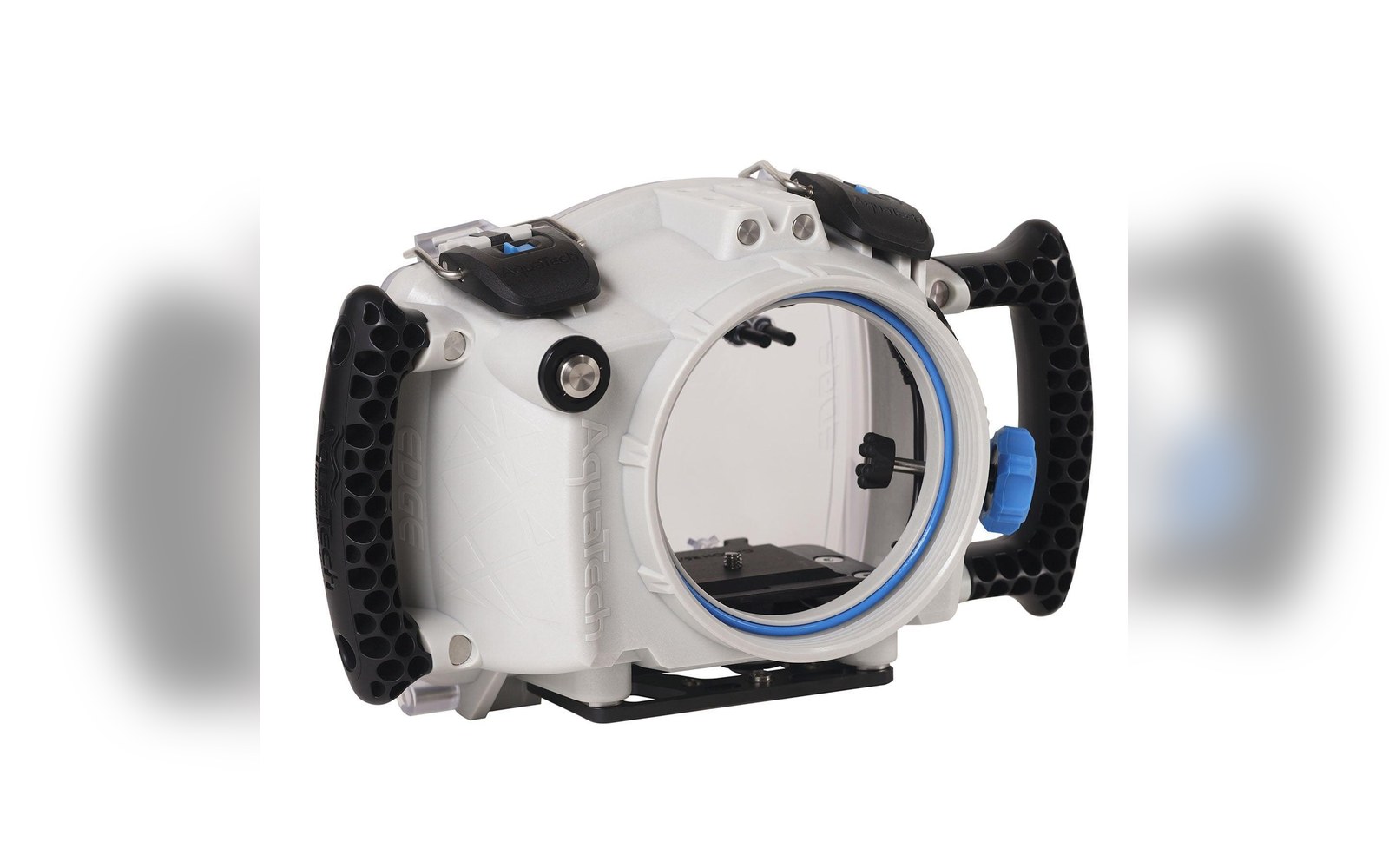 The Box Costs More Than the Camera Inside It
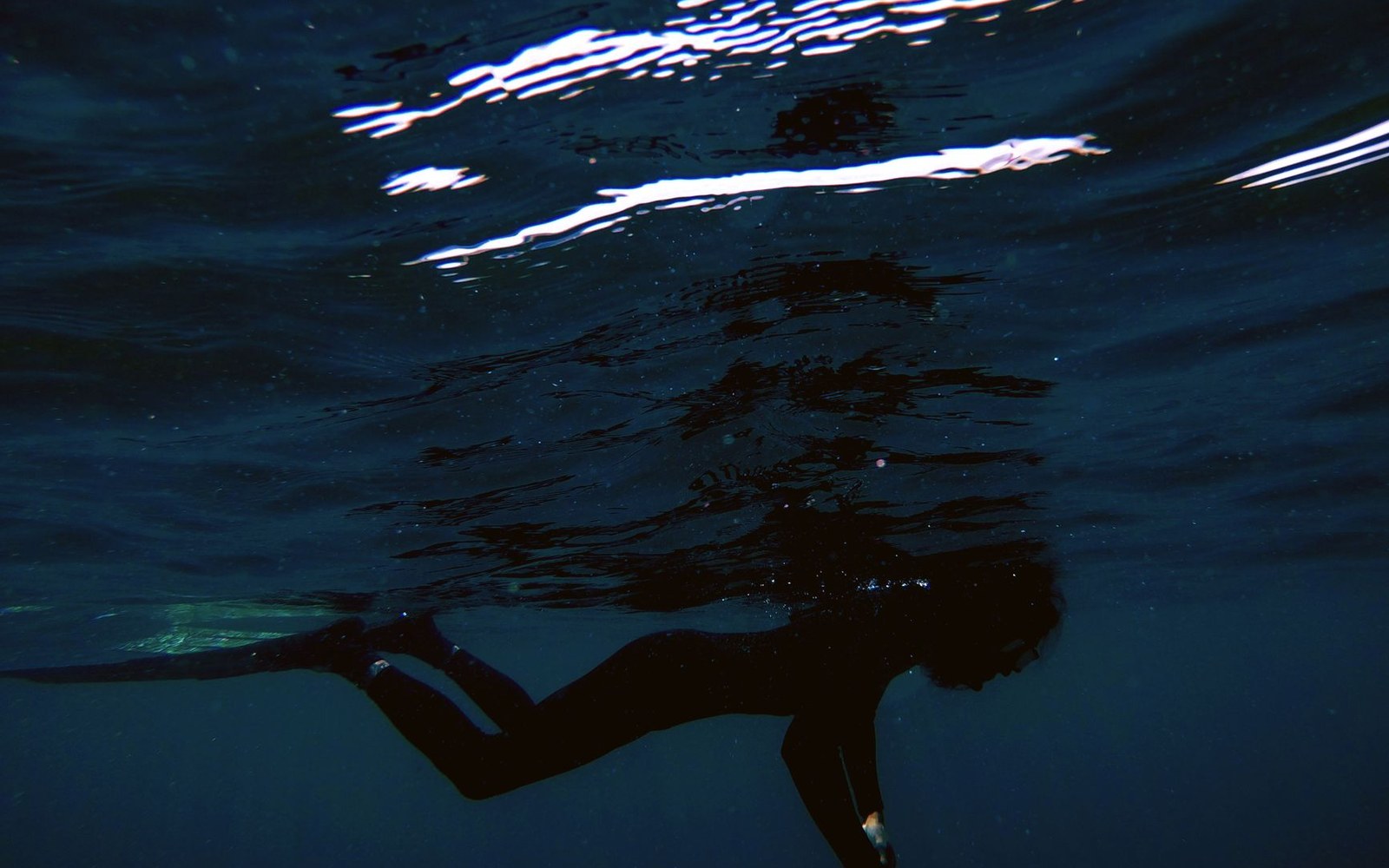 The Swim Is the Equipment
 Chris Bryan and What Happens at 1,500 Frames Per Second