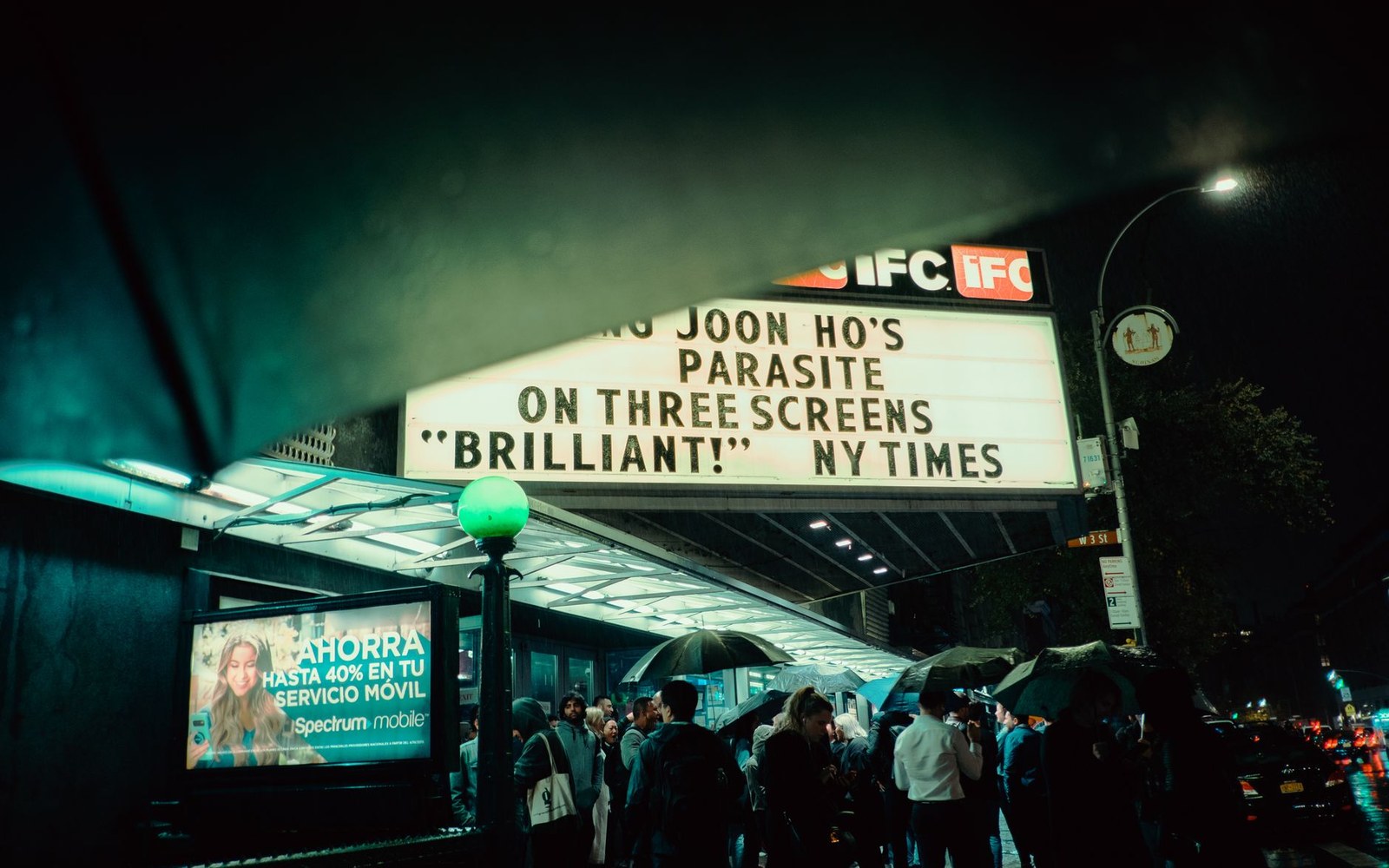
A City That Watches Rather Than Rides
New York is not a surf city in any practical sense. The Atlantic breaks at Rockaway Beach and Long Beach are real, consistent enough to sustain a genuine local surf culture, but they are not Pipeline or Teahupo'o. That distance is precisely what the New York Surf Film Festival exploits. Programming here reaches an audience that encounters surf cinema as cinema first — urban, design-literate, drawn to documentary as a form — rather than as an extension of a lifestyle already lived outdoors. The festival's Lower Manhattan and Brooklyn venues have historically hosted screenings in converted spaces that suit the aesthetic: warehouse rooms and art-house cinemas rather than seaside amphitheatres.
The programming model reflects that positioning. Where Byron Bay Surf Festival draws an audience already standing in board shorts and where San Diego's festival screens within driving distance of Swami's and Cardiff Reef, New York selects films that can hold a room of people with no sand on their feet. That means documentaries with narrative architecture — character-driven work, historical reconstruction, environmental reporting — alongside the reel-driven spectacle that defines the genre's mainstream.
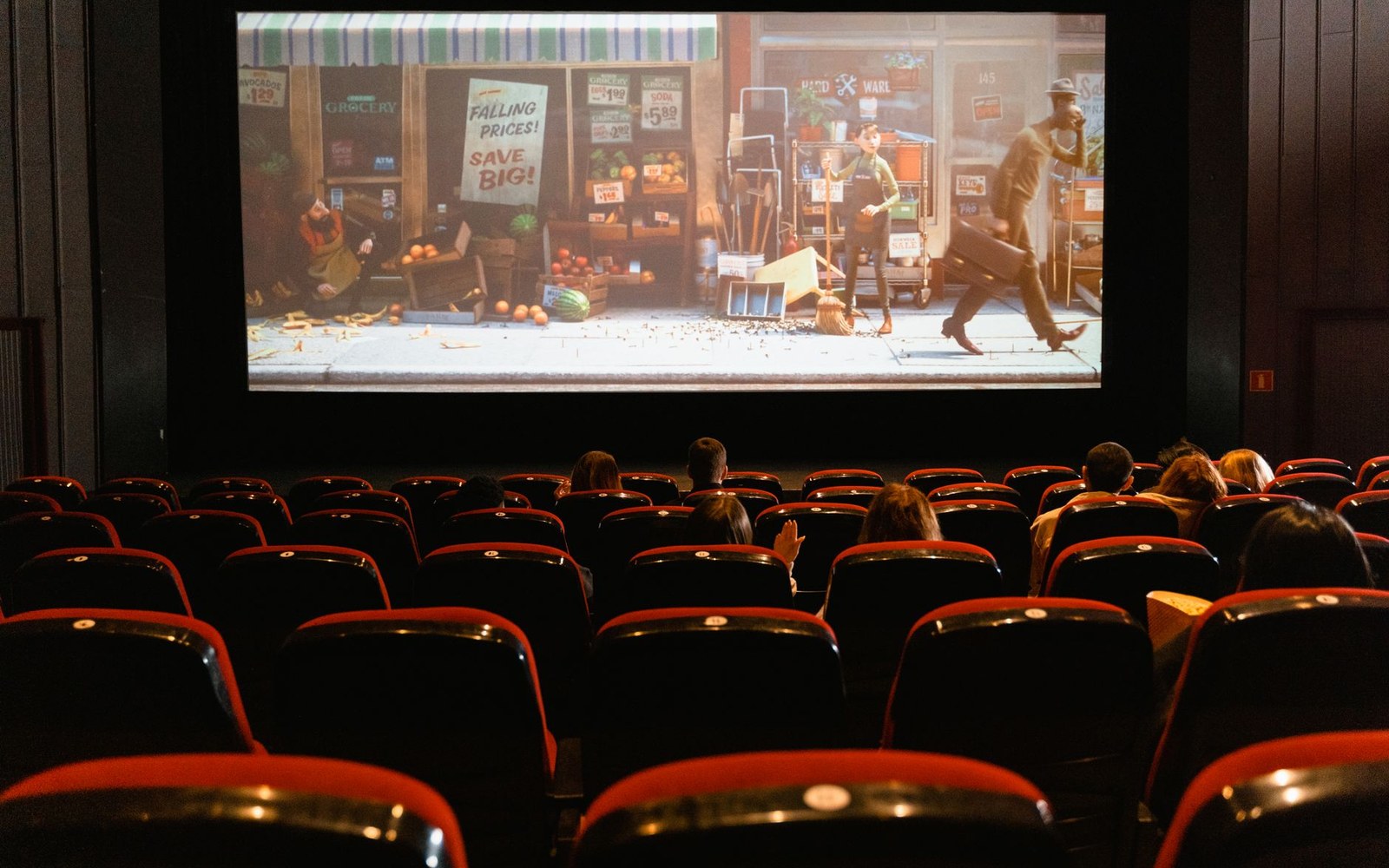
The house, before a feature.
Photo: Tima Miroshnichenko / Pexels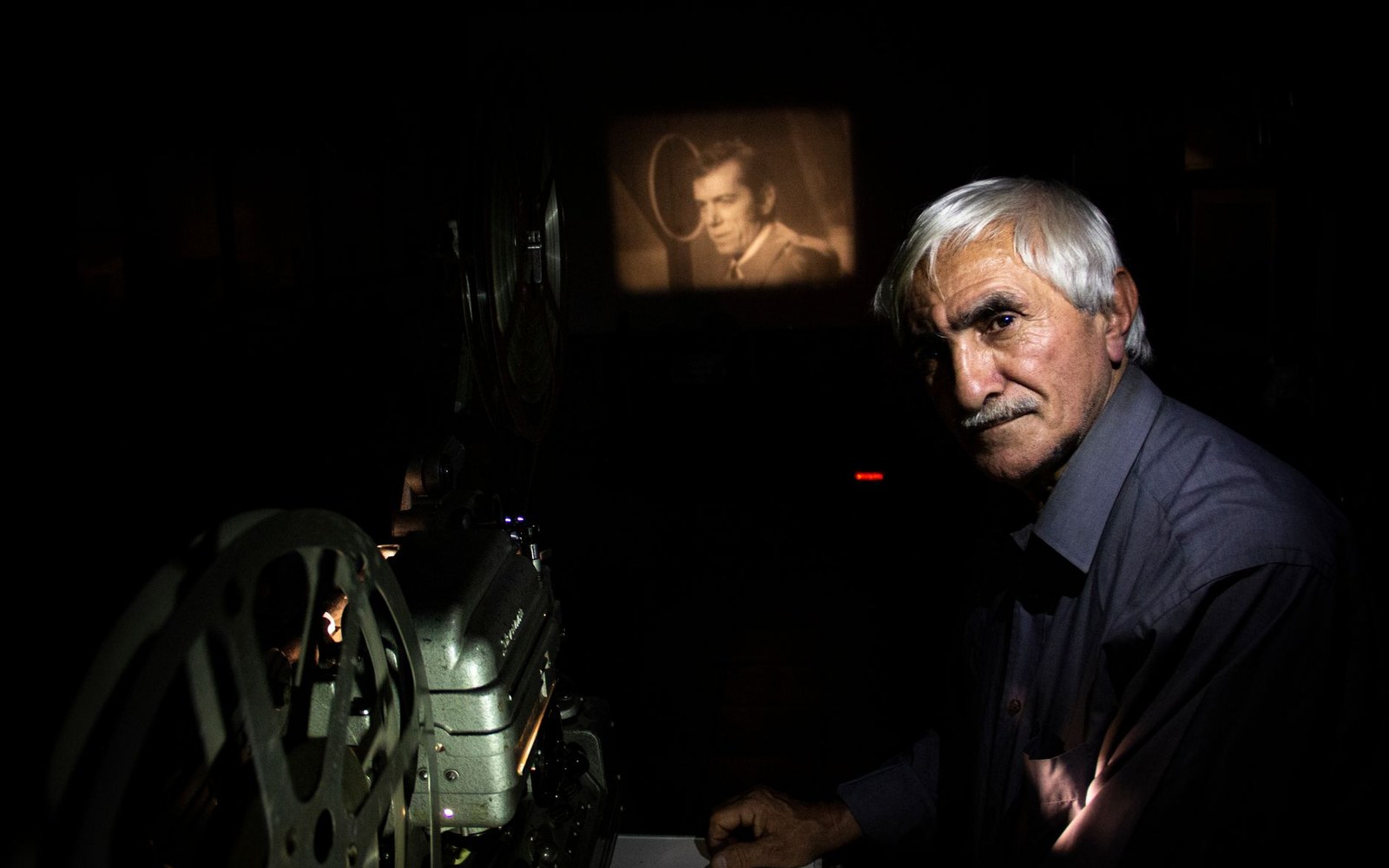
Projection is the part of the chain no streaming window reproduces — a fixed start time, one screen, and no way to pause it.
Photo: Mehmet Orak / PexelsThe east-coast surf context matters to the selection. The Surfrider Foundation, founded in 1984, has maintained chapters up and down the Atlantic seaboard, and the water-quality and coastal-access issues that animate its advocacy resonate differently in a city where the ocean is a transit problem as much as a destination. Films addressing ocean access, pollution, and the economics of coastal communities find receptive audiences here that a strictly surf-industry crowd might not provide.
Relative to San Diego and Byron Bay, New York operates later in the calendar year — typically September — which places it after the major summer festival window and gives distributors a second urban bite at films that premiered earlier in the circuit. That sequencing is useful. A film that opened in Australia in winter and screened in San Diego in late spring arrives in New York with reviews already in circulation and word-of-mouth already built. The festival functions, in distribution terms, as an amplifier rather than a launchpad.
What the New York Surf Film Festival has never tried to be is a trade event. It carries no shaping competitions, no brand expos, no industry panels in the conventional surf-industry sense. The bet is that a well-curated programme, shown to a literate city audience, does more for the genre's cultural standing than another weekend where the same industry insiders screen films for each other.
The circuit in brief
| Byron Bay | Australian anchor, summer-season premiere hub |
|---|---|
| San Diego | West Coast, proximity to the breaks films keep returning to |
| New York | East Coast, September, urban audience, later in the distribution window |
| London | European terminus; see also Anglet |
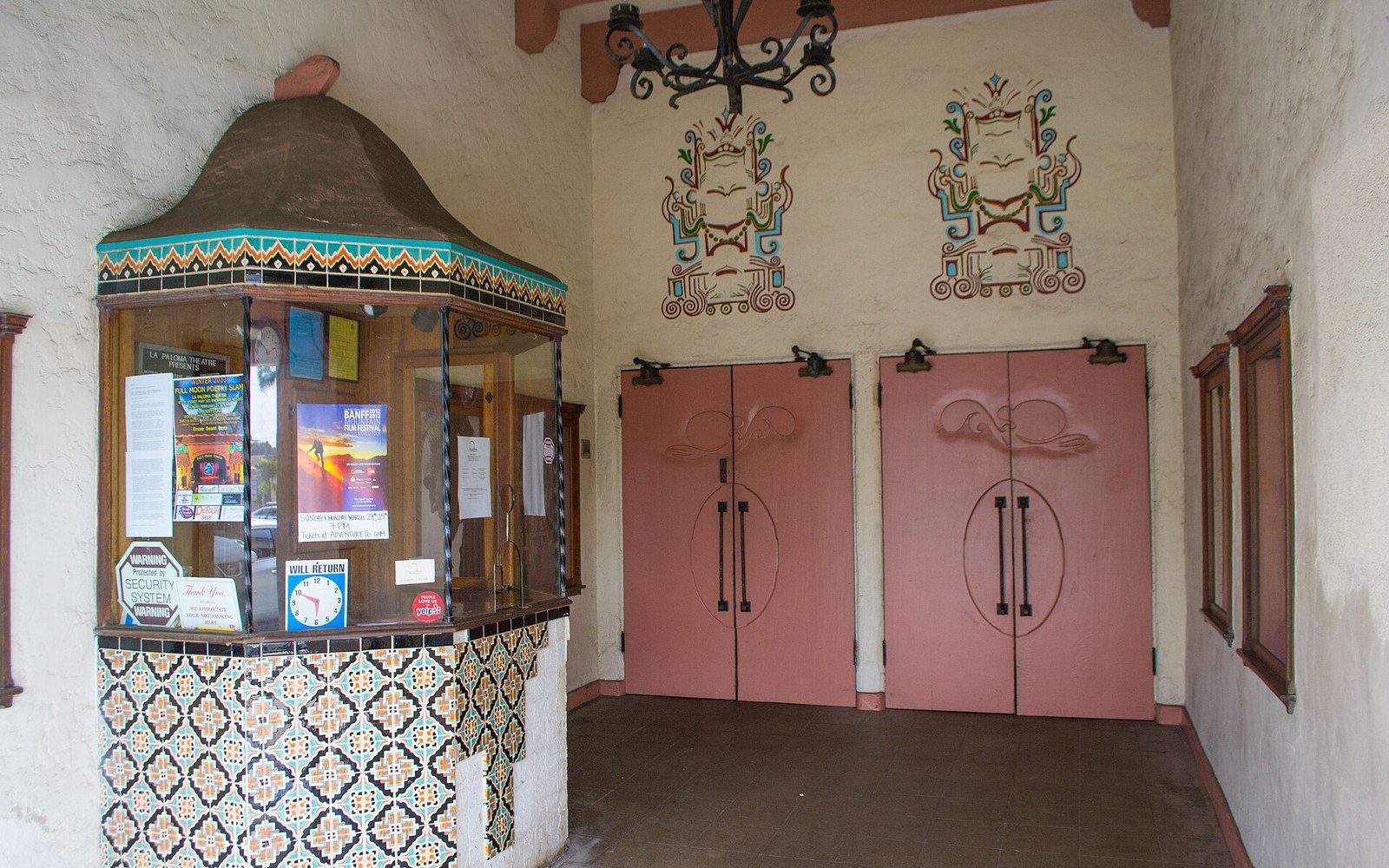 La Paloma, 1928: The Room Surf Cinema Came Home To
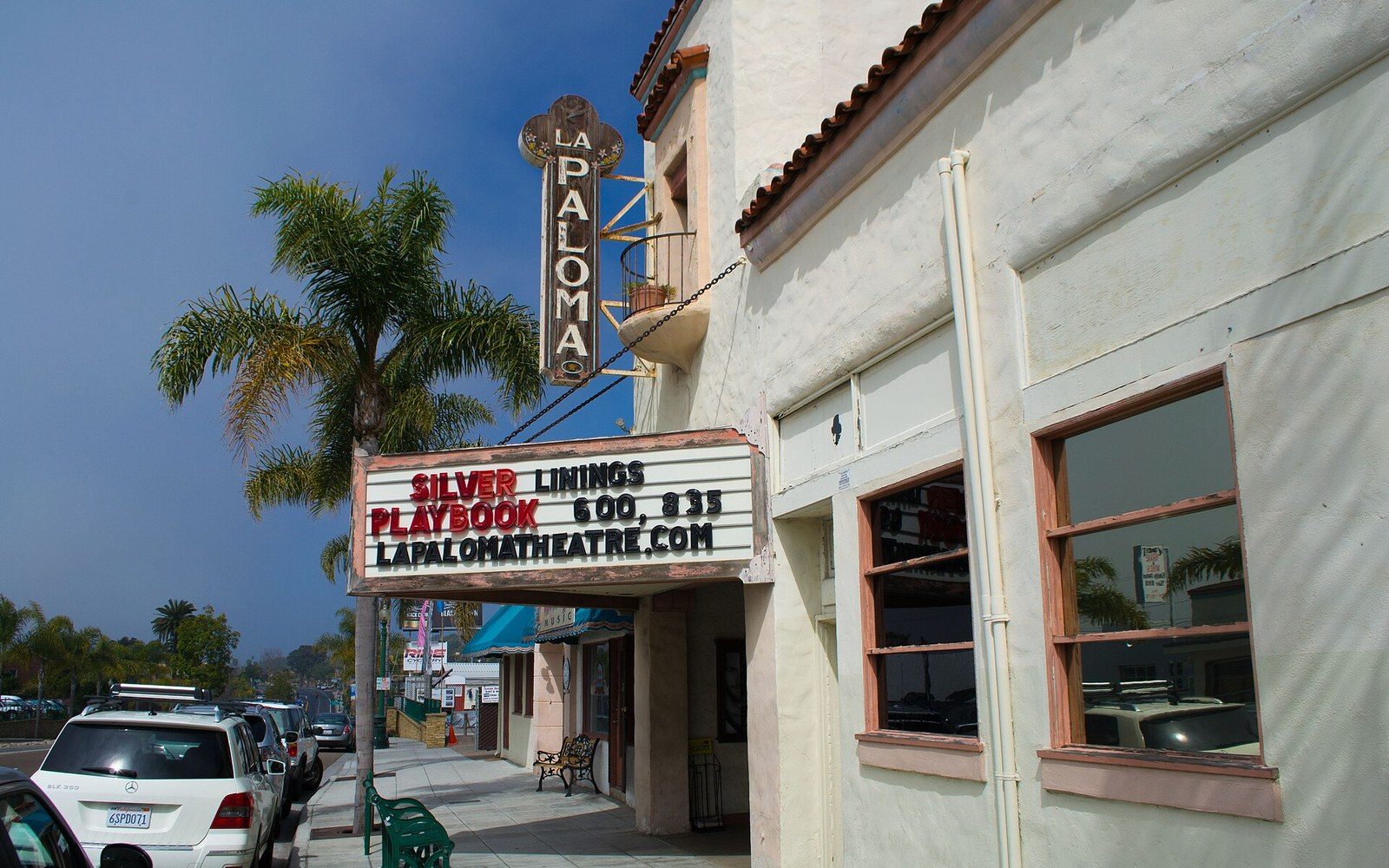 What the San Diego Festival Has Actually Shown
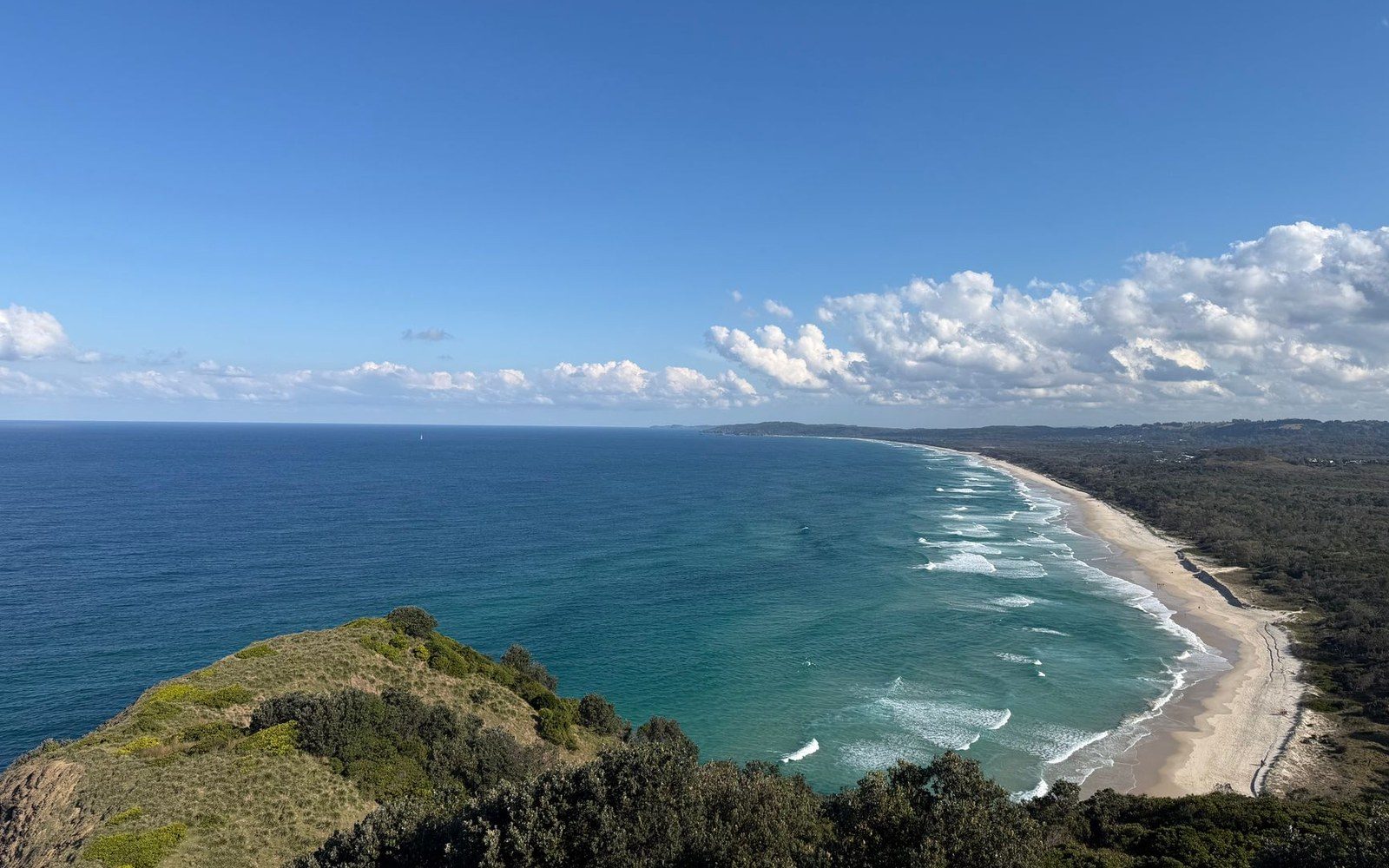 Byron Bay: Where the Circuit Goes Australian