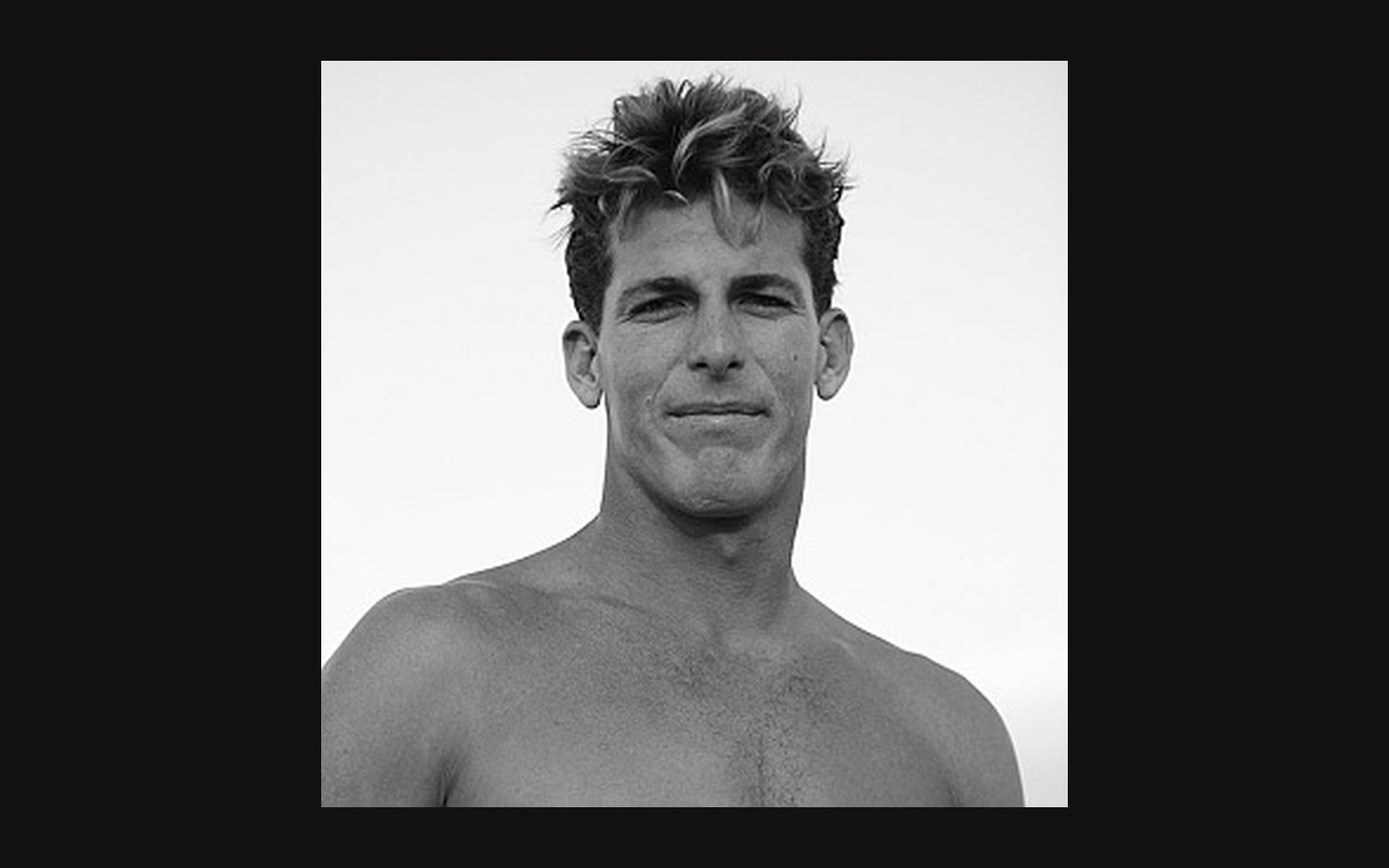
What the Film Constructs
Andy Irons: Kissed by God, released by Teton Gravity Research in 2018, takes as its subject the three-time WSL Championship Tour world champion whose death in 2010 ended one of competitive surfing's most watched careers. The film is not a eulogy dressed as documentary. It is a structured account — built from archival competition footage, interviews with fellow competitors and family members, and medical testimony — that attempts to hold two parallel stories in the same frame: the competitive record and the private struggle that ran alongside it.
The structural choice that defines the film is chronological patience. Rather than opening on loss and working backward, the directors, Todd Jones and Jeremy Rumas, track Irons's rise through the Championship Tour in sequence, letting the competition archive carry the argument about his ability. The surfing footage — Pipeline, Teahupo'o, the power-surfing that separated him from his contemporaries — does the work that narration would otherwise have to claim. Kelly Slater appears in interview, as do Irons's wife Lyndie and his brother Bruce, and the film is careful to let their testimony land without editorial overlay pushing a predetermined reading.
A booth, mid-reel.
Photo: Mehmet Orak / PexelsThe Record It Sets Down
As a documentary object, the film's value lies partly in what it gathers that would otherwise stay dispersed: WSL Championship Tour event footage from across Irons's competitive peak, contextualizing his three world titles — 2002, 2003, 2004 — against the tour's broader field and against Slater's dominance of the era. That competition record is now consolidated in one place, with the specific heats and waves that shaped it given screen time rather than summary. The WSL's own archived Championship Tour results supply the factual skeleton; the film puts muscle on it.
The medical dimension of the documentary — its treatment of Irons's bipolar disorder diagnosis — is handled through clinical interview rather than dramatization, which keeps it within the film's documentary register rather than tipping it toward docudrama. That restraint is a formal decision with consequences for how the film sits in the surf cinema canon: it positions itself as record rather than interpretation, even when the subject resists clean documentation.

The circuit's basic unit: a room somebody already owns, a print or a file, and an audience that sat down on purpose rather than scrolled past it.
Photo: Tima Miroshnichenko / PexelsTeton Gravity Research released the film through its own distribution infrastructure, consistent with the company's established model of festival premiere followed by direct digital availability. The result is a documentary that functions as the primary screen record of a competitive career, made by an organization that understood how to move a surf film to an audience already looking for it.
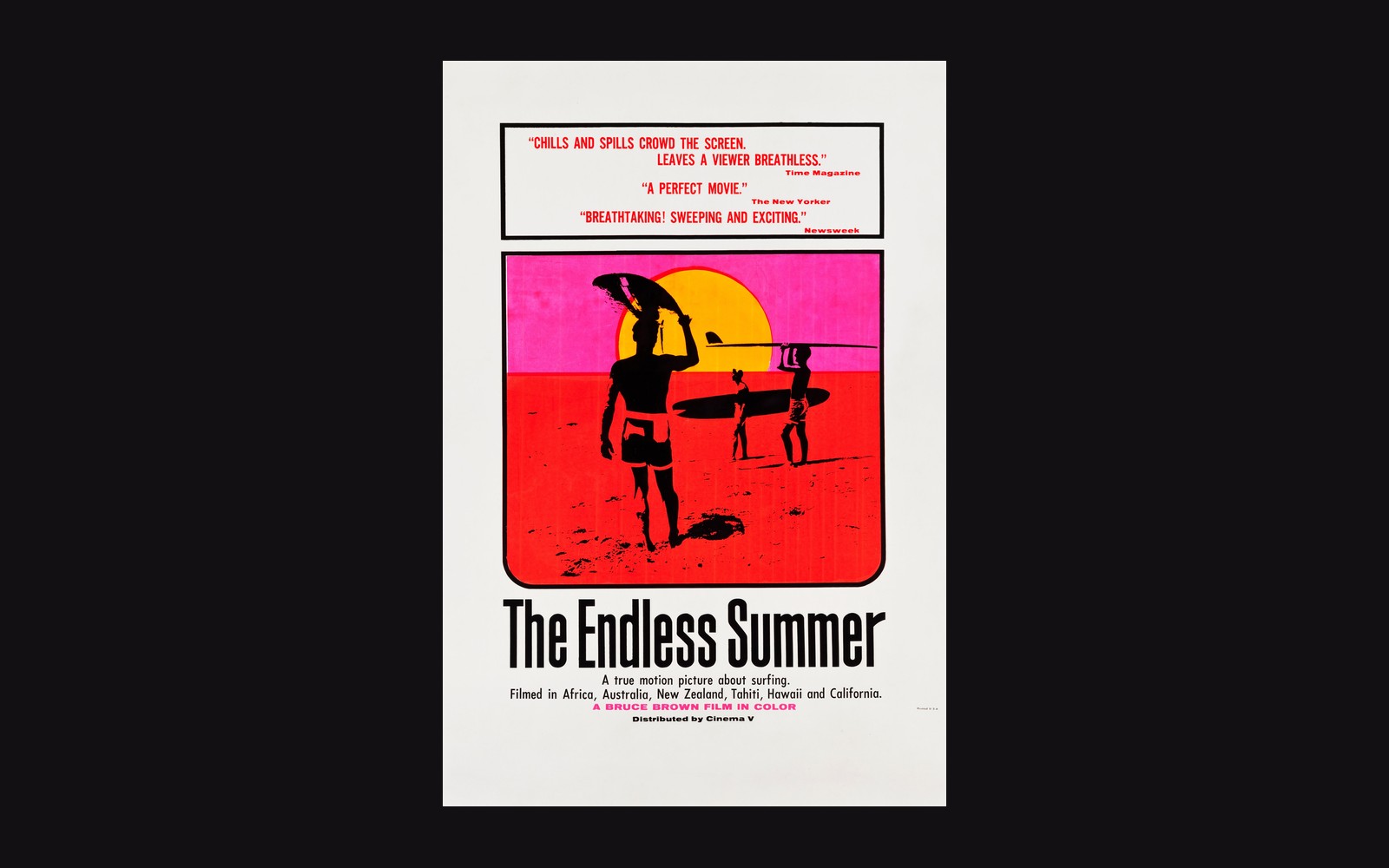 Bruce Brown Sold Tickets from the Back of a Van
 Morning of the Earth and the Turn Toward Something Quieter
 Momentum, 1992: The Year the Genre Went to Video