Different Tools, Different Truths
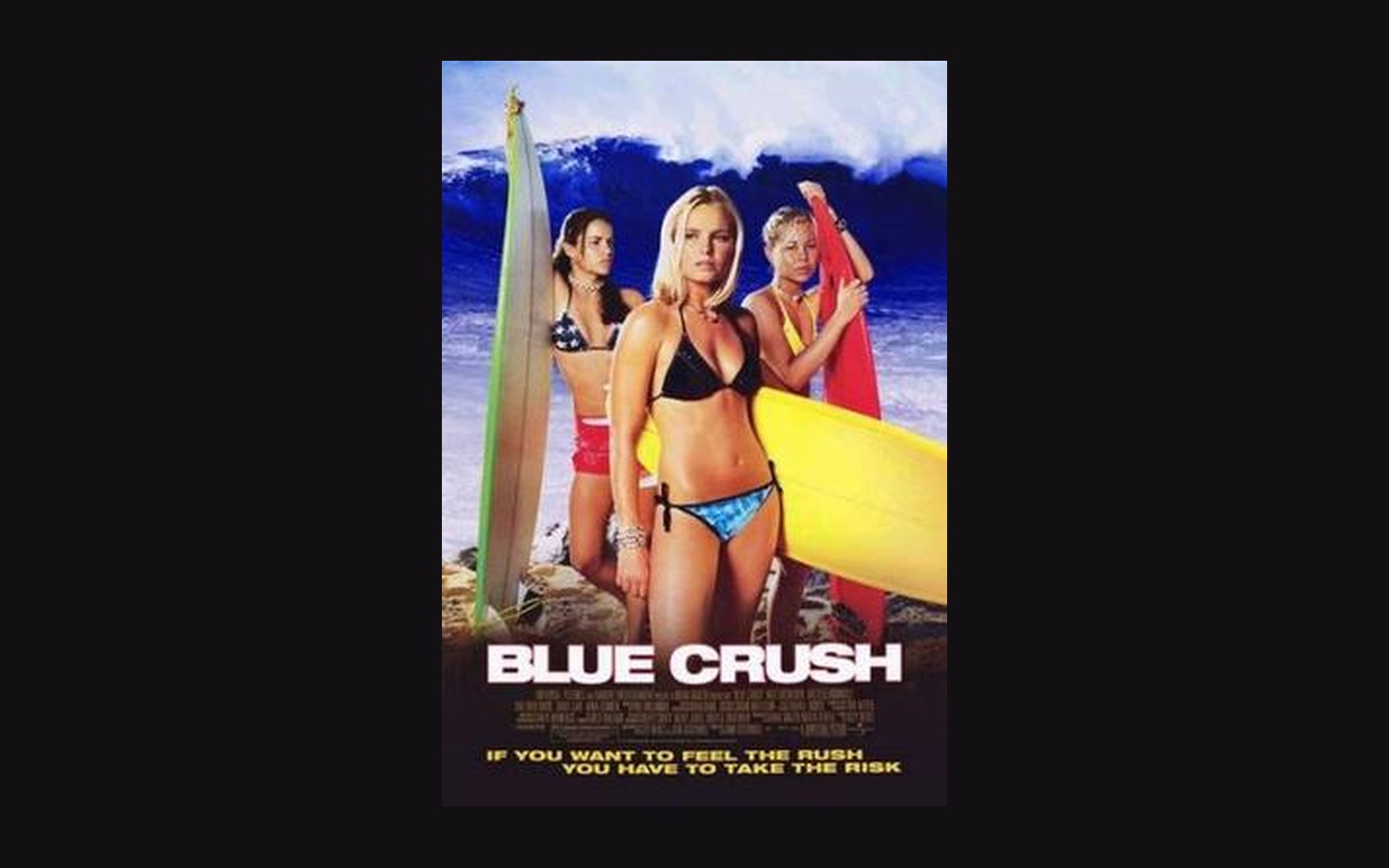
Blue Crush arrived in 2002 as a Universal Pictures theatrical release, directed by John Stockwell and written by Lizzy Weiss from Susan Orlean's 1998 Outside magazine article "Life's Swell." It was shot on location in Hawaii, with stunt and body-double water footage executed by professional surfers and cinematographers working with water housings and fisheye lenses inside genuine barrels at Pipeline on Oahu. The fiction frame allowed compressed drama — a young woman fighting fear and financial pressure on the eve of the Pipe Masters — but the competitive world it depicted was thinly sketched, its women positioned mostly as aspirational archetypes rather than athletes with documented histories.
Bustin' Down the Door, released six years later and directed by Jeremy Gosch, operated in the opposite mode. A documentary built around archival footage and first-person interviews, it reconstructed the period in the mid-to-late 1970s when a group of Australian and South African surfers — among them Wayne Bartholomew, Ian Cairns, Shaun Tomson and Mark Richards — forced their way onto the North Shore's competitive hierarchy. Women appear in the film's margins rather than its centre, which is itself a historical statement: the documentary's fidelity to the period's own power structure inadvertently documented how little visibility female surfers held in the competitive media of that era.
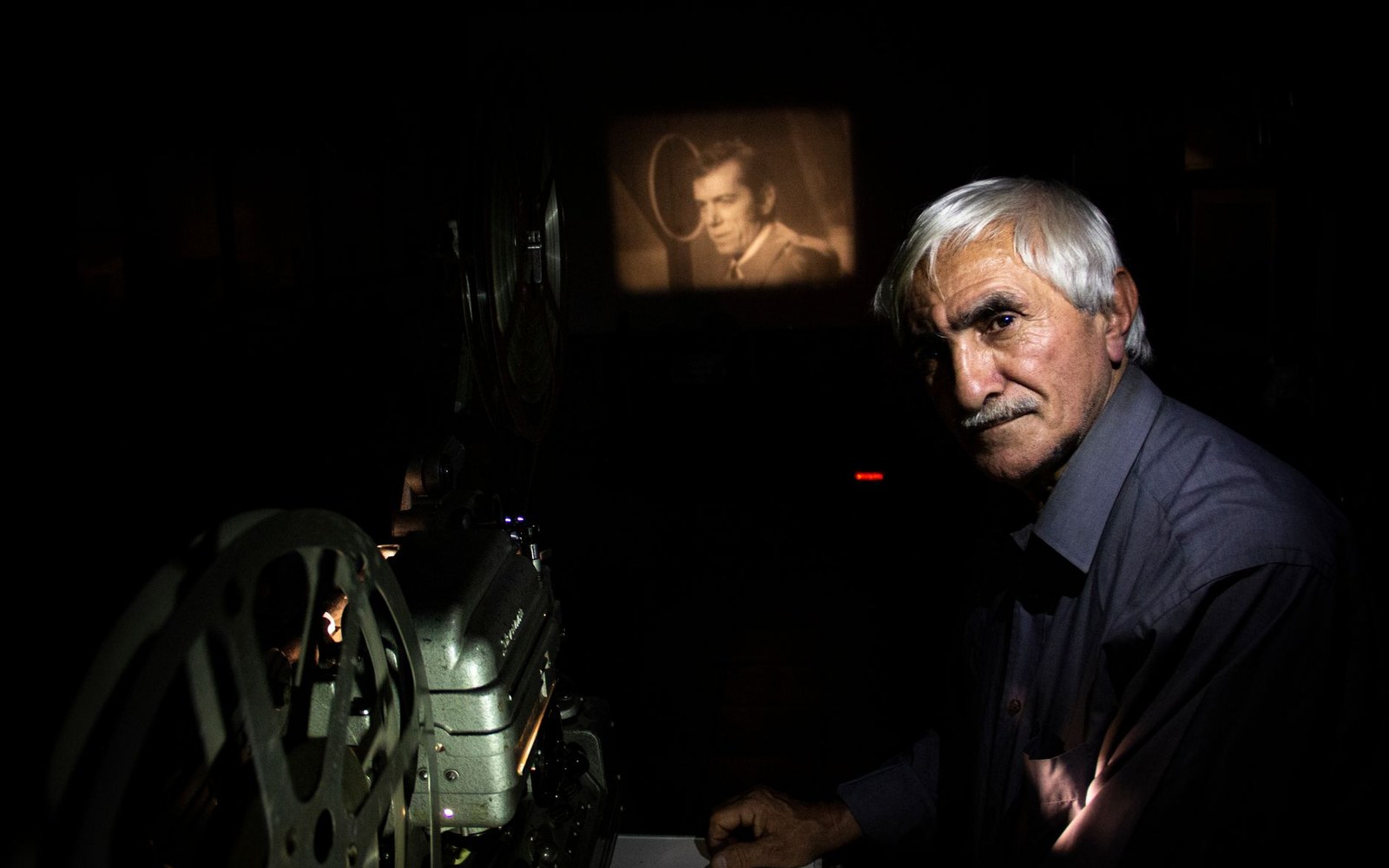
A booth, mid-reel.
Photo: Mehmet Orak / Pexels
Board design decided what a camera could catch: a shorter, looser board put manoeuvres in front of a lens that had been framed for trim.
Photo: Harold Granados / PexelsWhat Each Film Chose to Emphasise
Blue Crush arrived at a moment when Lisa Andersen had already won four consecutive world titles between 1994 and 1997, and Layne Beachley was mid-run through her own seven-title career. The film did not engage with that record. Instead it used the iconography of competitive surfing — the event jersey, the judges' tower, Pipeline's reputation — as backdrop to a personal redemption story. Its commercial success, grossing over $40 million against a reported $30 million production budget according to contemporary box-office tracking, demonstrated that a film centred on a female surfer could find a mainstream audience. What it chose not to show was any reckoning with why so few women had been placed in that position before.
Bustin' Down the Door was more historically precise about the specific period it covered, and its archival reconstruction of early Association of Surfing Professionals tour politics is genuinely detailed. But its framing question — how did these men change professional surfing? — meant the parallel story of what women were building in the same years went largely untold. Frieda Zamba, who would win four world titles in the 1980s, and the structural inequalities women faced in prize money and media coverage across that entire era were not the documentary's subject.
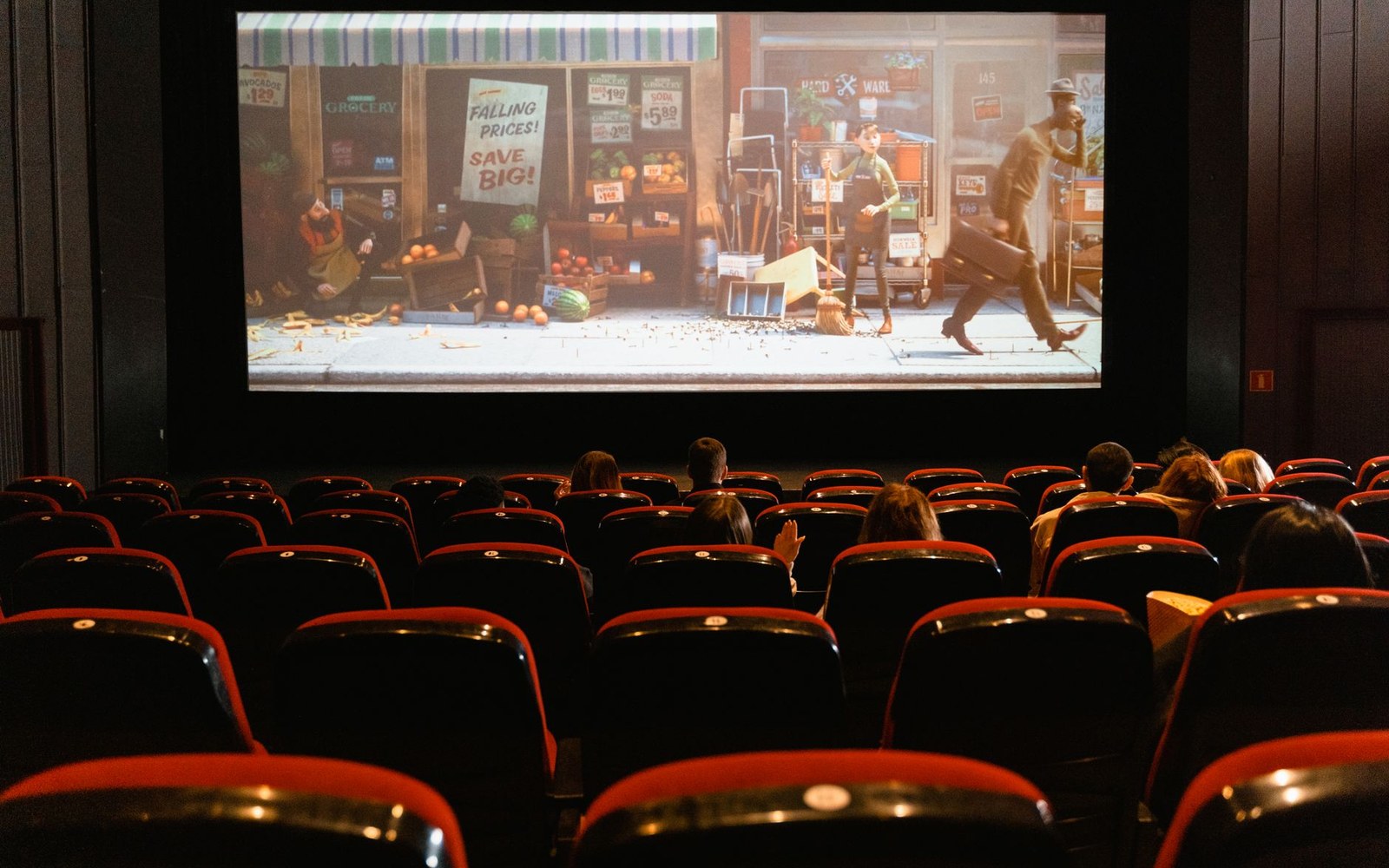
The circuit's basic unit: a room somebody already owns, a print or a file, and an audience that sat down on purpose rather than scrolled past it.
Photo: Tima Miroshnichenko / PexelsThe Film That Actually Told That Story
The comparison points forward to where the argument eventually landed: Christopher Nelius's Girls Can't Surf (2021) spent more than five years in production assembling the archival footage and first-person testimony that neither Blue Crush nor Bustin' Down the Door had used to address women's competitive history directly. It named Layne Beachley, Lisa Andersen and their contemporaries as its central figures, and it situated the WSL's adoption of equal prize money in 2019 as the institutional end-point of a decades-long campaign those athletes had driven.
That nearly twenty-year gap — from Blue Crush in 2002 to Girls Can't Surf's festival run in 2021 — maps almost exactly onto the period the San Diego Surf Film Festival and its circuit counterparts spent expanding the documentary form's appetite for competitive history. The studio feature proved the audience existed. The documentary that followed proved the story had been waiting, underdocumented, the whole time.
The two films at a glance
| Film | What it is |
|---|---|
| Blue Crush (2002) | fiction feature, Universal Pictures, dir. John Stockwell, Pipeline, Oahu |
| Bustin' Down the Door (2008) | documentary, dir. Jeremy Gosch, North Shore competitive history, 1970s focus |
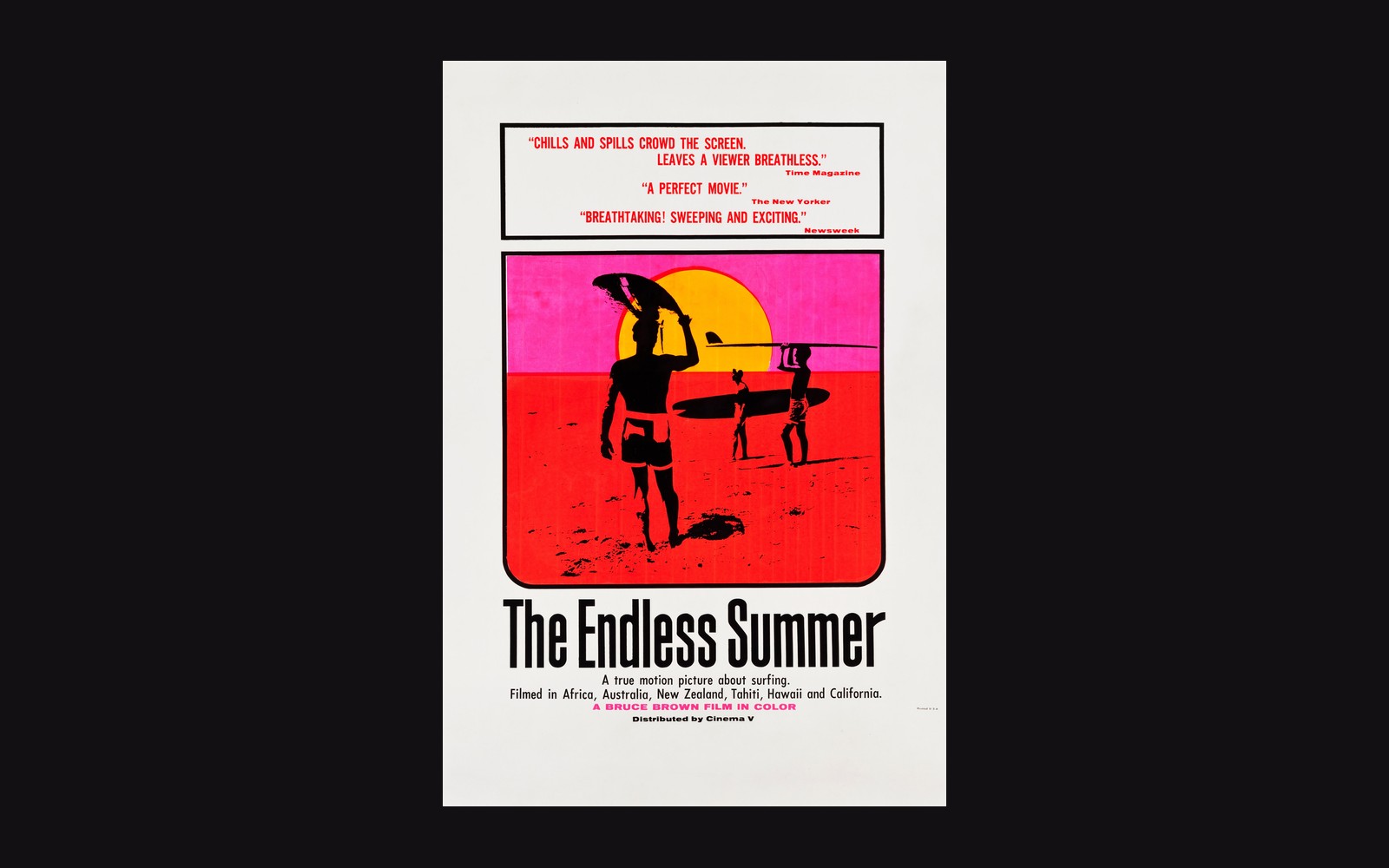 Bruce Brown Sold Tickets from the Back of a Van
 Morning of the Earth and the Turn Toward Something Quieter
 Momentum, 1992: The Year the Genre Went to Video